
Last updated November 24, 2026
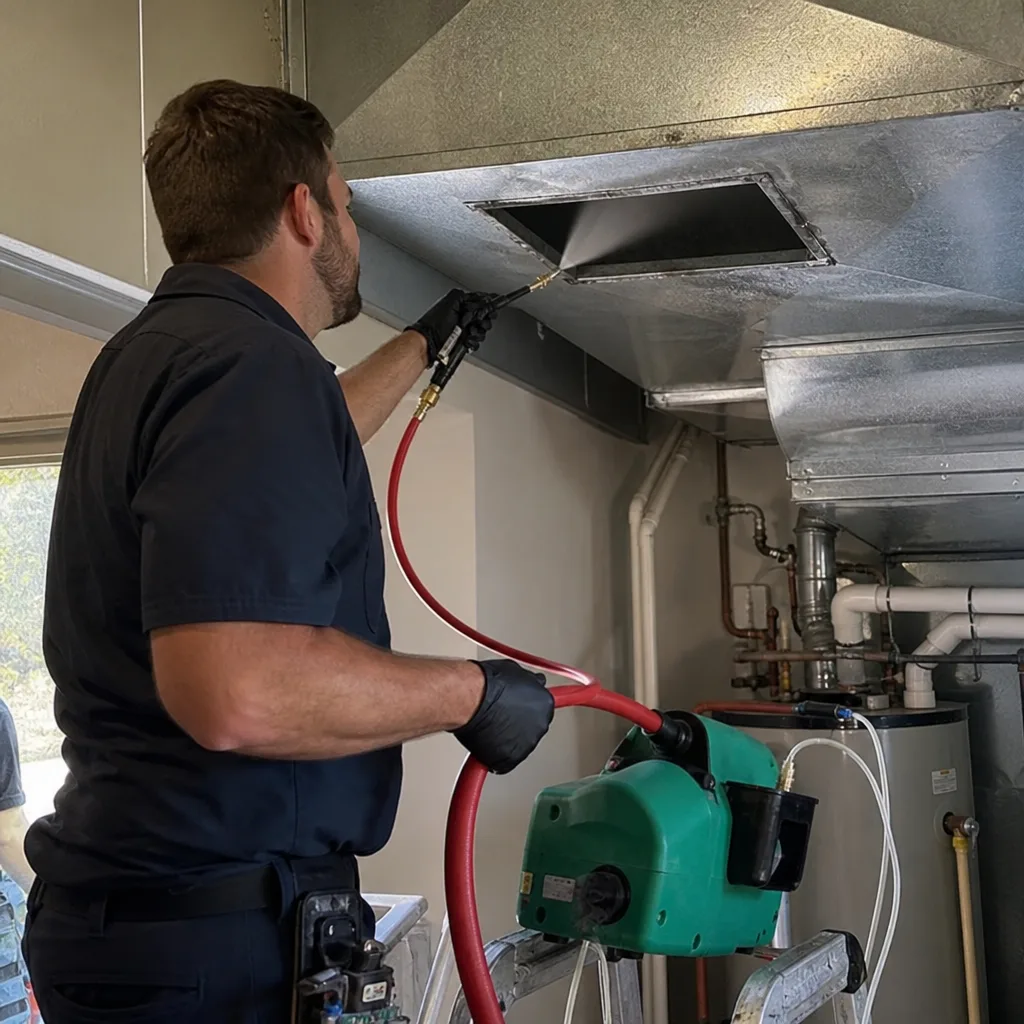
 Whole-home duct cleaning
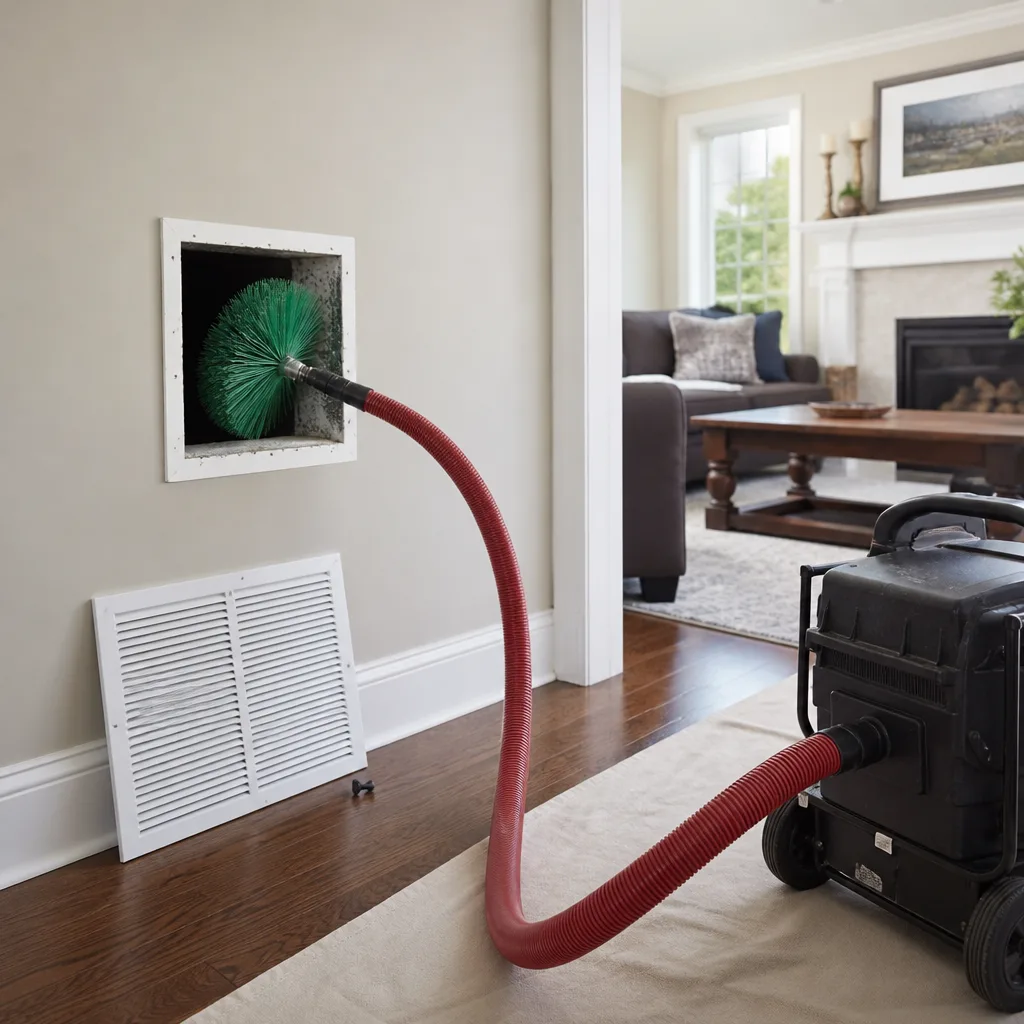
 Dryer vent cleaning
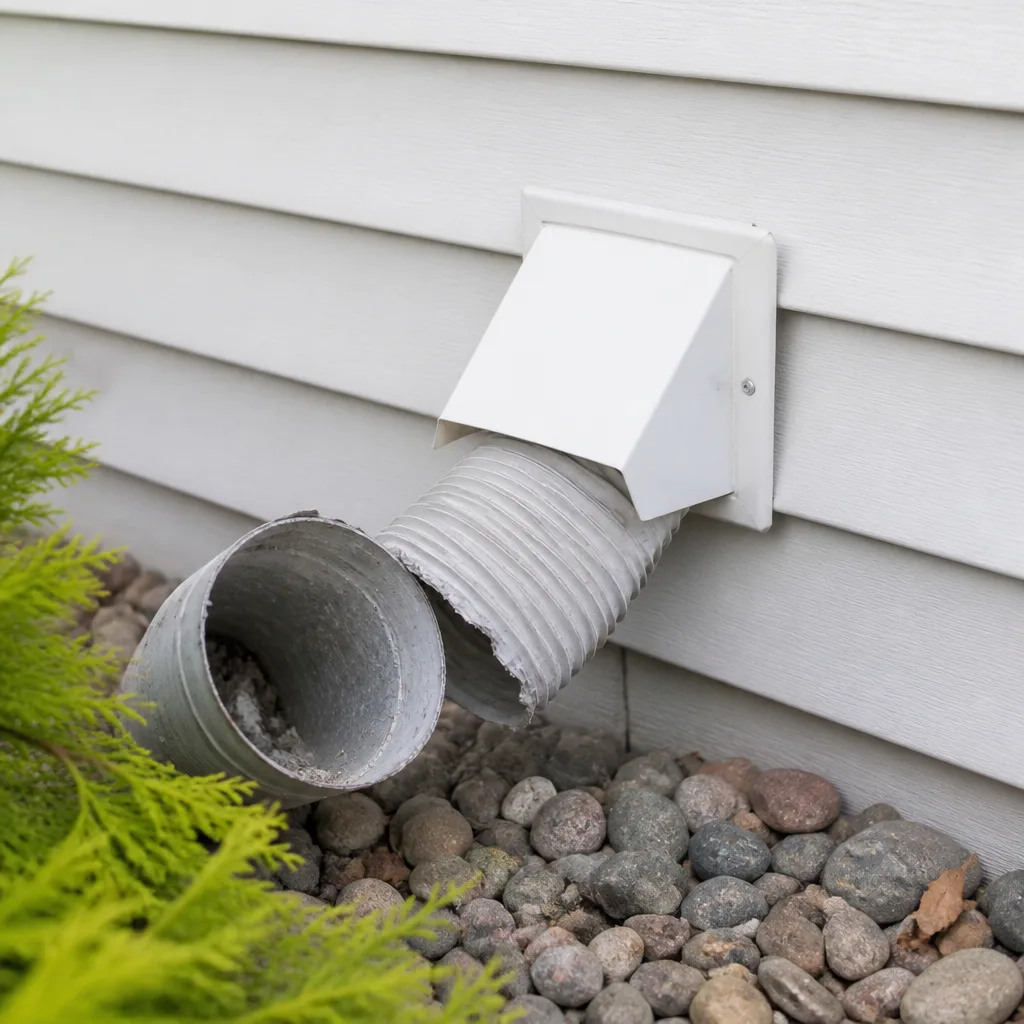
 Camera inspection
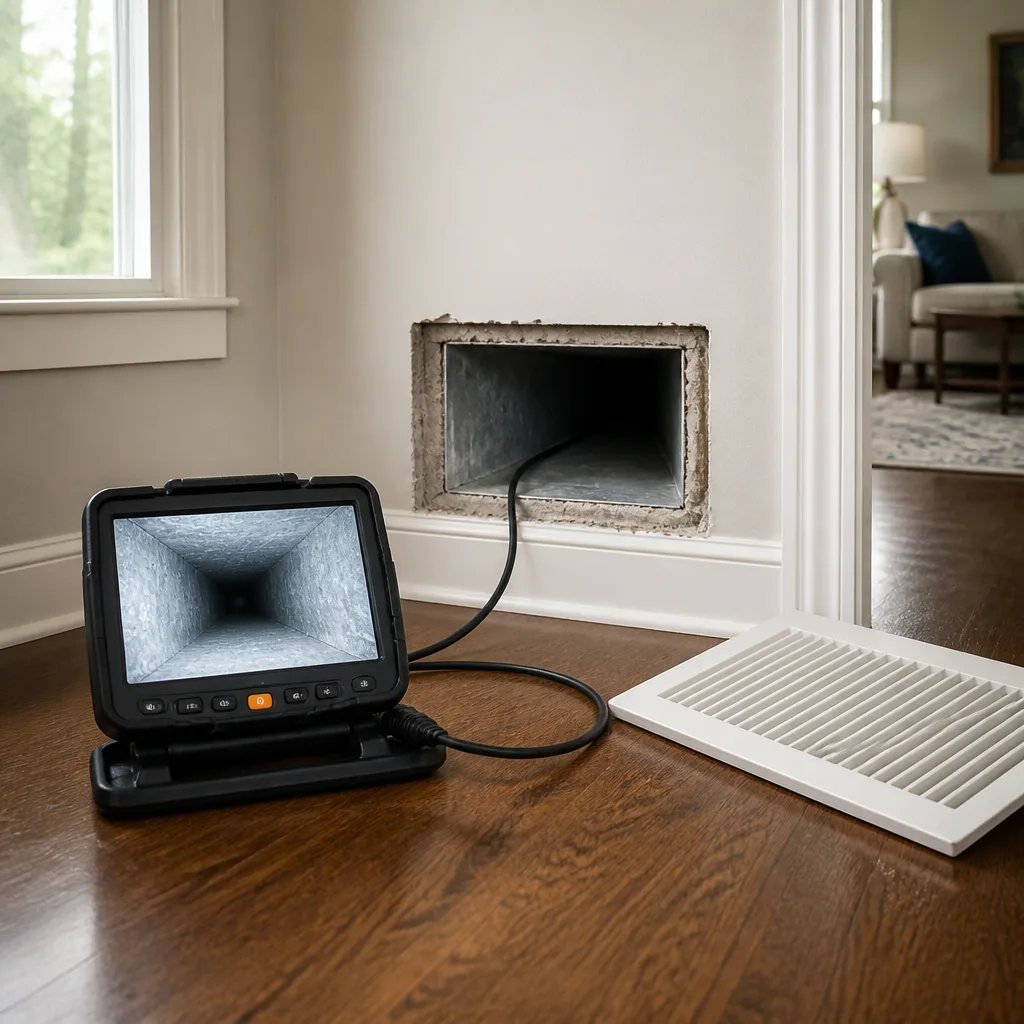
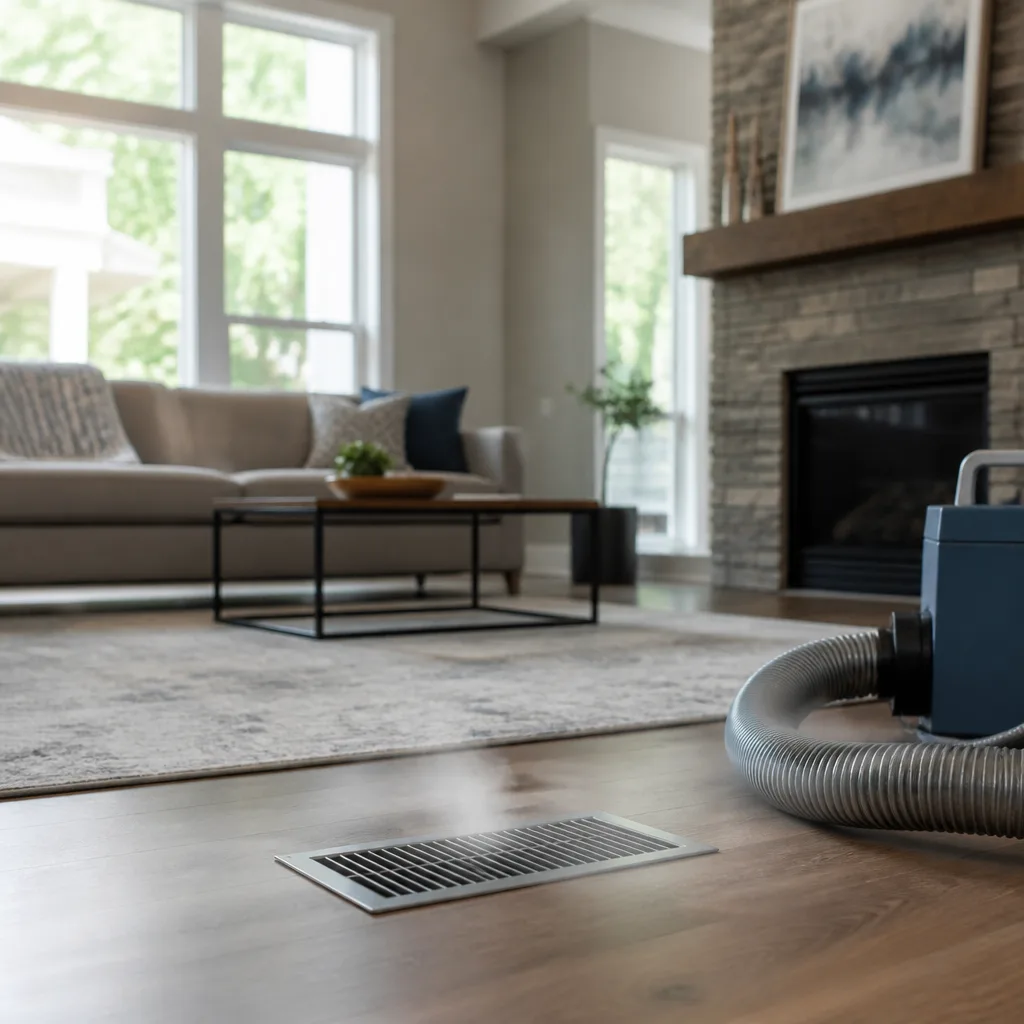 Sanitizing & deodorizing
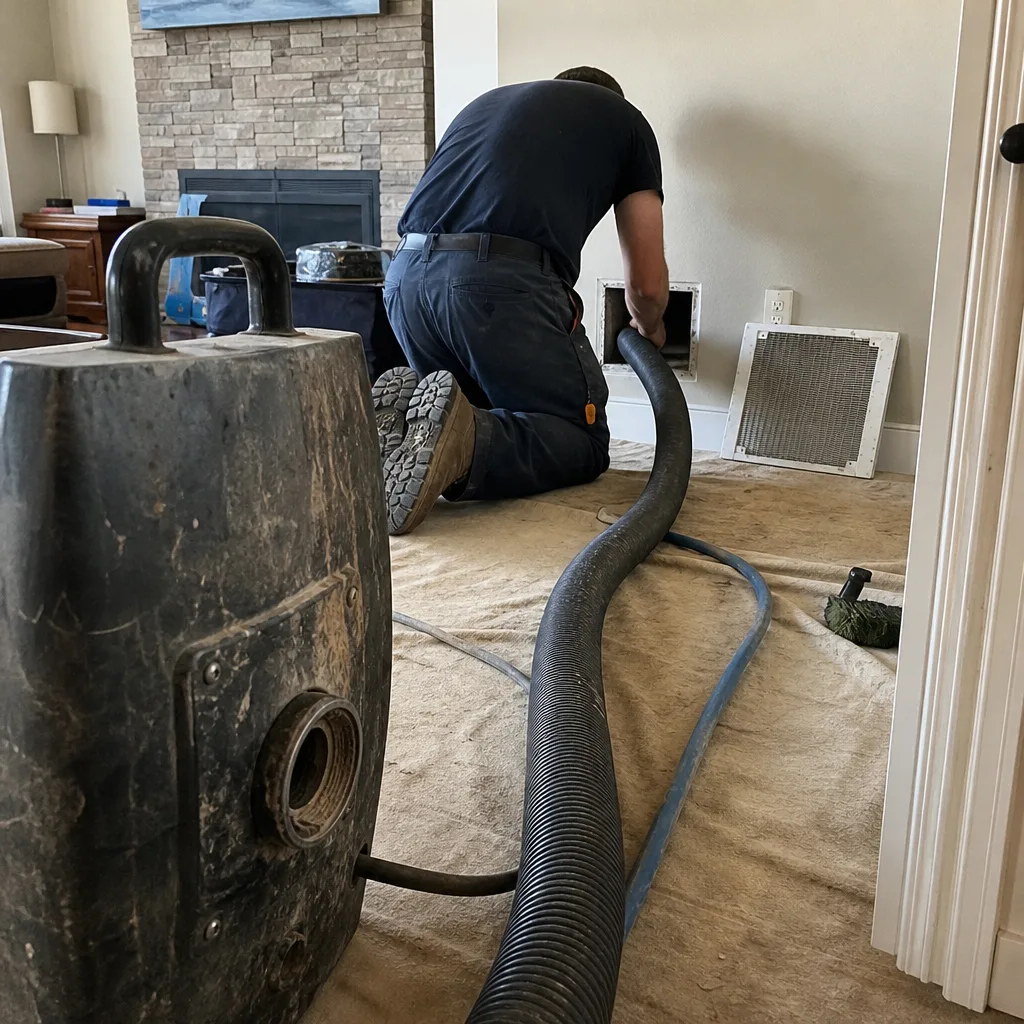
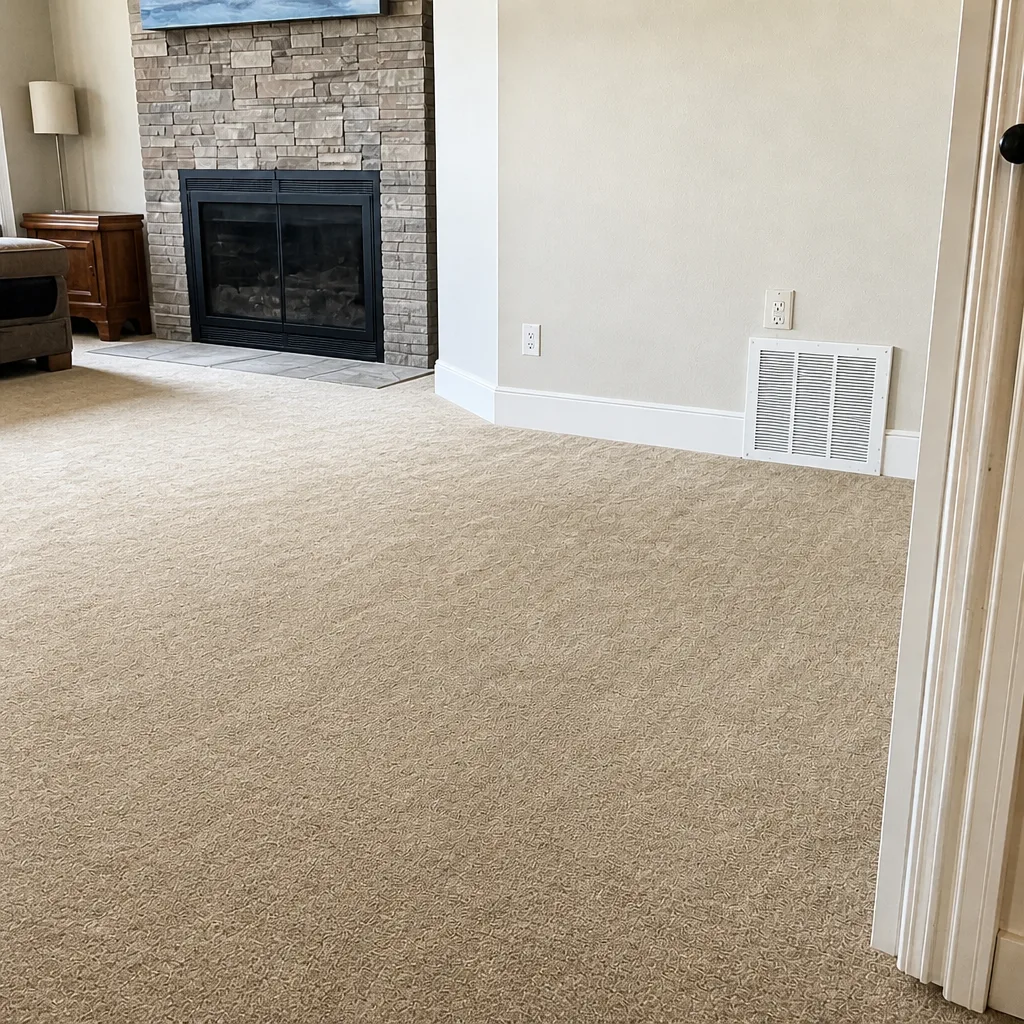
Whole-system duct and dryer vent check with before-and-after photos - you see exactly what came out of your vents
That "$99 whole-house special" is a bait ad - the real number appears once they are in your hallway, or the "clean" is a shop-vac at the register. We photograph the inside of your ducts before and after instead.
Choosing the Right Air Duct Cleaning Brand: A Buyer’s Guide for Cottonwood Heights
When a contractor says they use “professional equipment,” that phrase covers everything from a $400 portable unit to a $15,000 truck-mounted system, and the difference in what they can actually clean is not marginal. Most homeowners in Cottonwood Heights shop for duct cleaning by comparing quotes and star ratings. The tools behind those quotes rarely come up. That’s a mistake, because the equipment a company runs determines what it can reach inside your ductwork, what it can pull out, and what it can’t. This guide breaks down the equipment platforms used in professional duct cleaning, how to match them to flex, sheet metal, and fiberboard ducts, and how to use the NADCA process standard as a minimum benchmark, whatever brand you hire.
Quick Answer
The right air duct cleaning company for a Cottonwood Heights home is one that uses negative-pressure containment plus contact cleaning, can name the equipment it runs (Rotobrush, Nikro, Abatement Technologies), follows the NADCA ACR process, and offers repair and sealing alongside cleaning. Equipment brand matters less than whether the tools match your duct material and whether the provider can handle a full system, not just a one-time vacuum pass.
Styles & brands we work with
- Whole-home duct cleaning
- Dryer vent cleaning
- Camera inspection
- Sanitizing & deodorizing
Table of Contents
- Why “Brand” Means Something Different in Duct Cleaning
- The Three Equipment Platforms That Matter
- Matching Equipment to Your Duct Material
- The NADCA ACR Standard as Your Minimum Benchmark
- Full-Service Provider vs. One-Time Cleaning Vendor
- Why Cottonwood Heights Air Quality Changes the Calculation
- Questions to Ask Before You Book Anyone
- Common Mistakes to Avoid
Why “Brand” Means Something Different in Duct Cleaning
In most trades, a brand is a company name on the side of a vehicle. In duct cleaning, brand usually refers to the equipment inside that vehicle. That shift matters because two contractors can quote the same price for the same job and deliver very different results depending on whether they show up with a portable contact cleaner, a negative-pressure vacuum with HEPA filtration, or containment-and-remediation gear. A homeowner comparing only the quotes has no way to see the difference until the work is done.
We’ve watched the market around Cottonwood Heights fill up with names that sound similar and services that vary widely. Some operators run a single portable unit and call it done. Others carry equipment built for contaminant control, the kind used by restoration contractors working in mold and fire damage. Both write “professional” on their website.
The practical fix is to treat equipment literacy as your real screening tool. Before you compare prices, find out what each company runs. Ask two questions and listen for real answers, not generic reassurances:
- What equipment do you use for contact cleaning, and what do you use for negative pressure?
- What happens if my duct system has more than routine dust in it?
A company that can name its platforms and explain what each one does is a company that thinks in terms of your system, not just its invoice. That’s a better measure of fit than a star rating. For a broader view of what full-system cleaning looks like, our air duct cleaning page walks through the process start to finish.
The Three Equipment Platforms That Matter
Professional duct cleaning runs on three broad types of equipment, and each one answers a different question. Think of them as three tools doing three jobs: one scrubs, one contains, one remediates. A provider with all three can meet almost any condition inside a home. A provider with one is limited to the work that tool can perform.
Rotobrush: Contact Cleaning
Rotobrush systems are built around a rotating brush head attached to a flexible hose, paired with a vacuum. The brush physically contacts the inside of the duct and loosens what’s stuck there: dust that has bonded to the walls over years, debris clinging to flex duct ribs, and light buildup in the main trunks and branches. Contact cleaning is the physical scrubbing step, and it’s the part most homeowners picture when they imagine duct cleaning. A vacuum alone doesn’t do this. Shop vacs and basic portable units pull loose surface dust and leave the bonded layer where it was. Rotobrush is specifically designed to break that layer free. Our technicians have up to 13 years of experience running these systems, and the visible result is what most customers notice first: clean walls inside the duct, not a cleaned filter with the duct unchanged.
Nikro: Negative Pressure and HEPA Filtration
Nikro equipment covers the containment side. A negative-pressure vacuum pulls air through the duct system and out through HEPA filtration, which means the dust you dislodge has somewhere to go besides your living room. Without negative pressure, contact cleaning risks redistributing debris into the indoor air as it’s scrubbed loose. That’s the reason the two platforms work as a pair. Rotobrush loosens the contamination; Nikro traps it. When a company sets up negative pressure before the brush goes in, the sequence is deliberate. When they don’t, the work is incomplete no matter how much effort goes into the scrubbing. We run professional-grade Rotobrush and Nikro systems together, and we treat that pairing as standard rather than an upgrade tier.
Abatement Technologies: Containment and Remediation
Abatement Technologies equipment is what restoration and remediation contractors use when the problem goes beyond dust. It’s built for contaminant control: capturing airborne particulates, containing mold spores, and holding the work area under controlled pressure so contaminants don’t spread. It signals something a homeowner can’t see from the outside. A company running this equipment can work in conditions a routine dust-only operator has to walk away from. If your home has had water intrusion, a renovation, or visible microbial growth near a register, that capability matters more than the price of the quote.
When you call to compare companies, this is the question to ask: “If you find more than dust, what can you handle on site?” A company with contact cleaning, negative pressure, and containment gear answers differently than a company with a single vacuum. Our Cottonwood Heights Air Duct Cleaning page lists the full service menu, which is the next thing to check after equipment.
Matching Equipment to Your Duct Material
Duct material changes how cleaning has to be done. A method that works perfectly on sheet metal can damage flex duct, and a gentle approach on flex duct can leave fiberboard ducts underserviced. Before you hire anyone in Cottonwood Heights, find out what kinds of duct are in your home. You can usually see flex duct or rigid metal in the basement, attic, or crawlspace. Most homes built after the 1990s have flex duct in at least some runs.
Flex Duct
Flex duct is a wire coil wrapped in a plastic liner and insulation. It responds well to contact cleaning when the brush and air pressure are controlled. Too much pressure or an aggressive brush can tear the liner or dislodge the coil. The correct approach is a rotating brush system run at the right speed, paired with steady negative pressure so that what’s loosened is captured. Because flex duct is the most common failure point in Cottonwood Heights homes after years of attic heat and cold, this is also where cleaning and repair tend to go together. Our duct repair and sealing page covers what torn liners and separated joints look like and why sealing matters after cleaning, not before.
Sheet Metal Duct
Rigid sheet metal is the easiest duct to clean thoroughly. It tolerates firmer contact cleaning and higher air volume. Because the inside surface is smooth, bonded dust comes off in larger sheets, which is why negative pressure matters so much here. Without a proper vacuum running, all that loosened dust goes into the room. When we’re working with sheet metal main trunks, we run containment before any brush goes in.
Fiberboard Duct
Fiberboard duct is a rigid board with an interior surface that’s friable, meaning the material itself can shed if it’s scuffed or handled roughly. Cleaning fiberboard calls for gentler methods and lower brush speeds, and it’s where a company’s equipment flexibility shows. A single-method operator running one pressure setting may either under-clean fiberboard or abrade it. A provider with multiple platforms can adapt the equipment to the duct and not the other way around.
How to Ask About This Without Sounding Like a Spec Sheet
You don’t need to know equipment model numbers to get a useful answer. A simple question covers it:
- “What kind of duct do I have, and how do you check before you clean?”
- “What brush or pressure setting do you use on that material?”
- “What happens if you find damage while you’re cleaning?”
A company that answers all three clearly is one that thinks material-first. A company that answers all three with “we clean everything the same way” is telling you something useful about how the job will go.
The NADCA ACR Standard as Your Minimum Benchmark
The National Air Duct Cleaners Association publishes the Assessment, Cleaning, and Restoration standard, known as ACR. It’s the industry’s baseline for how duct cleaning should be done, and it’s useful even if you never hire a NADCA member, because it gives you a checklist of what proper work looks like from the outside. Brand doesn’t replace process. A company running the best equipment available and skipping the assessment step is doing less than a company running modest equipment and following the standard.
The ACR standard breaks work into a sequence, and the sequence matters:
- Assess. The contractor inspects the system before cleaning. They look at duct material, damage, moisture, and signs of contamination. What they find sets the scope.
- Contain. Negative pressure is established before any cleaning begins, with HEPA filtration on the exhaust so debris doesn’t enter the home.
- Clean. Contact cleaning loosens contamination from all surfaces of the duct. The type of cleaning equipment adapts to the duct material found in assessment.
- Verify. The contractor confirms visually or with a camera that the duct is clean. Done properly, before-and-after documentation is standard.
- Restore. Any damage found during cleaning is repaired. Separated flex duct joints, torn liners, and gaps at register boots are sealed so the system holds pressure after cleaning.
Notice what the standard doesn’t say. It doesn’t specify an equipment brand. It specifies the outcome and the process used to reach it. Rotobrush, Nikro, and Abatement Technologies are tools that let a company meet the standard. The standard is what you should be asking about. Any contractor in Cottonwood Heights should be able to describe their process in roughly this shape without looking it up.
One safety note before we move on. Do not clean ducts yourself. Contact cleaning equipment run at the wrong pressure inside a home moves contamination from the duct into the living space. In homes with known moisture problems, that means microbial growth gets redistributed. Cleaning is a job for a trained professional operating containment, not a shop vacuum and a Saturday afternoon.
Full-Service Provider vs. One-Time Cleaning Vendor
A one-time cleaning vendor does one thing: they arrive, they clean, they leave. A full-service provider cleans, repairs, seals, sanitizes, and cleans your HVAC system and dryer vent as part of the same relationship. In our experience, the second model fits Cottonwood Heights homes better because air quality here isn’t a one-event problem. It’s seasonal and ongoing, and it benefits from someone who knows your system and can be called back when conditions change.
Here’s the practical difference, laid out:
- One-time vendor: Cleans the ducts. Doesn’t inspect for damage. Doesn’t handle HVAC blower or coil fouling. Doesn’t clean the dryer vent. Doesn’t assess filtration. You get clean ducts and whatever condition the rest of the system was in stays the same.
- Full-service provider: Cleans ducts, cleans the HVAC system from intake to output so contamination in the blower and coil gets addressed, repairs and seals any damage found during cleaning, evaluates filtration hardware, and cleans the dryer vent. One relationship covers the whole system.
We run five core services: air duct cleaning, dryer vent cleaning, HVAC cleaning, duct repair and sealing, and air quality and sanitizing. The reason is simple: cleaning the ducts without cleaning the HVAC components upstream of them leaves a contamination source in place. We repair what we find, and we recommend upgrades to filtration hardware only after we’ve assessed the system.
In Cottonwood Heights, the dryer vent part deserves its own line. A clogged dryer vent is a fire risk waiting to be cleared, and it’s the service most one-time duct vendors skip because it’s not part of the HVAC story they’re selling. It’s a core service, not an upsell.
Why Cottonwood Heights Air Quality Changes the Calculation
Cottonwood Heights sits at the base of the Wasatch mountains, and that geography shapes what ends up in your ductwork. Two seasonal patterns matter more than any other factor.
Winter Inversions
Cold air settles in the valley during winter months, trapping pollution under a warmer layer above. That trapped air sits over the Cottonwood Heights area for days or weeks at a stretch. During that time, your HVAC system pulls outdoor air through the intake, and fine particulates that would normally disperse collect in the filter and pass through into the ducts. A single cleaning in fall or spring doesn’t keep ducts clean through an inversion-heavy winter. What works better is cleaning timed to the season, plus filtration hardware sized for the actual load. That’s where Honeywell and Aprilaire equipment comes in. We’re authorized to service and recommend those systems, and we assess filtration in the same visit as cleaning because the two questions are connected.
Wildfire Season
Wildfire smoke reaches the Salt Lake Valley regularly, and in bad seasons the particulate load on a home’s HVAC system is significant. Smoke deposits fine ash that moves through the system and settles in ducts, on the blower wheel, and on the evaporator coil. If ducts were cleaned before a smoke event, the cleaning buys you less than it should. Sanitizing treatments applied after cleaning, using Guardsman-grade sanitizing products for microbial and odor control, address the smoke odor that sticks in the system. For homes close to the foothills in Cottonwood Heights, the sequence clean, seal, sanitize matters more than the cleaning alone.
What This Means for Your Hiring Decision
Because air quality in Cottonwood Heights is a repeated seasonal problem, a provider relationship works better than a single job. The question to ask when comparing companies isn’t just “what’s your price for one cleaning?” It’s “can you assess my system, clean it, seal what’s damaged, and upgrade my filtration in a way that holds up through the next smoke season?” A provider that can do all four has a very different value than a one-time vendor.
Questions to Ask Before You Book Anyone
The questions below separate serious providers from the rest. Ask all of them on the phone before you book. This list takes about five minutes and saves hours of frustration.
- “What equipment do you run?” Listen for a real answer. “Professional equipment” alone isn’t enough. Rotobrush, Nikro, Abatement Technologies, or another named platform is. A company that can name and explain its tools is one that knows what they do.
- “Do you set up negative pressure before you start?” The answer should be yes, always. If cleaning starts before containment is established, dust is going into your home.
- “Do you inspect the duct material first?” The answer should describe assessment before cleaning, not after.
- “What happens if you find damaged duct?” The answer should include repair and sealing, not “we’ll note it on the invoice.”
- “Do you document before and after?” Photos of your own ducts, not stock images, are the standard.
- “Is the price per system or per vent?” Per-system pricing with a flat price agreed before work starts is what protects you from the bait-and-switch pattern that has hurt this industry’s reputation. Per-vent pricing invites drift.
- “Can you assess my filtration setup while you’re here?” A full-service provider can recommend and service Honeywell or Aprilaire hardware. A one-time vendor can’t.
Ask these questions in whatever order feels natural. The pattern of answers tells you more than any individual answer will. For more on what to expect from a full system cleaning, our HVAC cleaning page covers the intake-to-output sequence. Our dryer vent cleaning page covers the dryer-side process and why it’s separate from ductwork.
Common Mistakes to Avoid
- Comparing quotes without asking about equipment. Two identical-looking quotes can hide a $400 portable unit on one side and a full Rotobrush-and-Nikro setup on the other. Ask about equipment before you ask about price.
- Hiring a per-vent quote. Per-vent pricing is the most common source of the bait-and-switch pattern in this industry. A flat price per system, agreed before work starts, is the clean arrangement.
- Assuming a cleaning fixes air quality in Cottonwood Heights. Cleaning is one step. Sealing and filtration upgrades are what hold up through the next inversion or wildfire season. If a provider only does cleaning, that’s a partial solution.
- Letting a cleaner skip the assessment. If the technician plugs in a vacuum before checking the duct material and any existing damage, the job isn’t being run to standard. Insist on assessment first.
- Skipping the dryer vent. Dryer vents clog the same way ductwork does, and the fire risk is real. A full-service provider cleans it in the same visit. A one-time duct vendor usually doesn’t.
- Accepting vague before-and-after answers. If that question gets a shrug, you have no way to know what was actually done. Before-and-after photos of your own ducts are the standard.
- Treating sanitizing as an upsell. In a wildfire-heavy market like Cottonwood Heights, sanitizing after cleaning addresses the smoke odor that cleaning alone doesn’t touch. It’s part of the sequence, not an add-on.
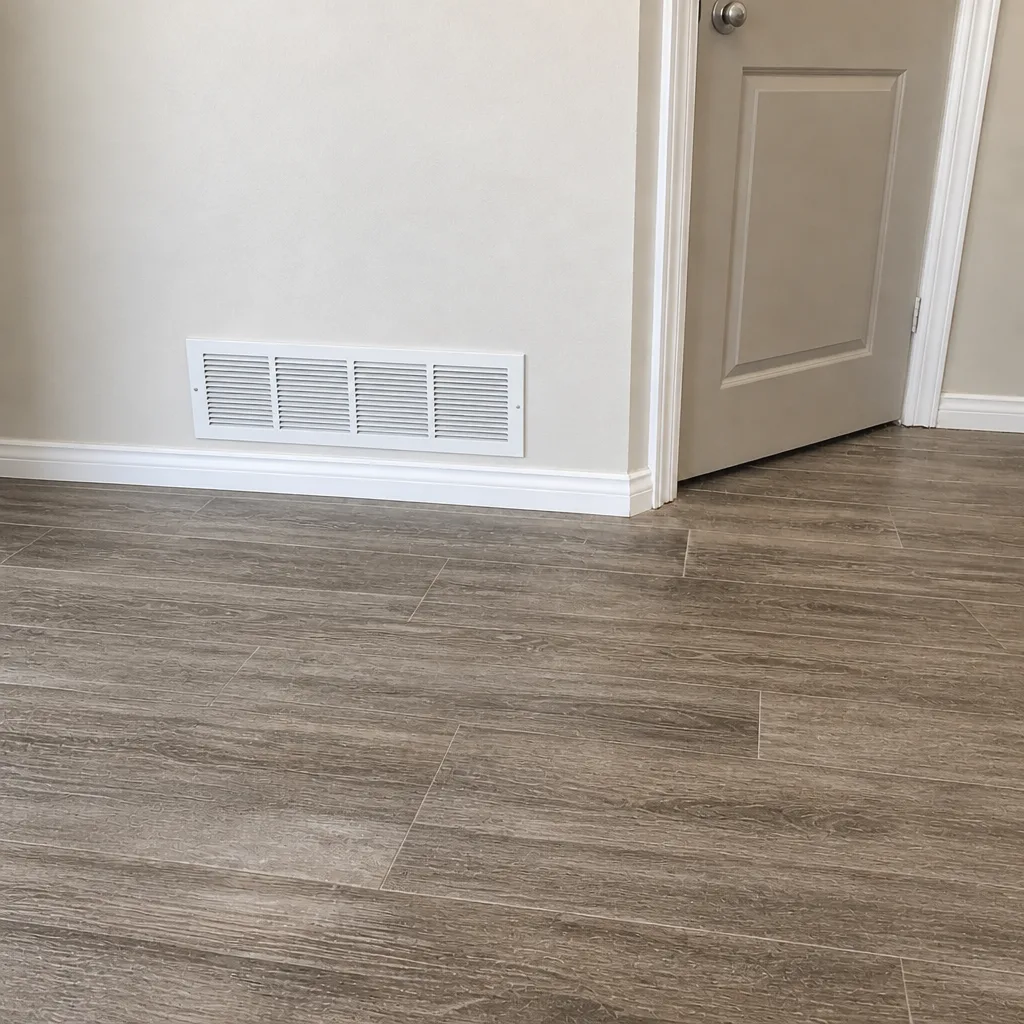
See the difference
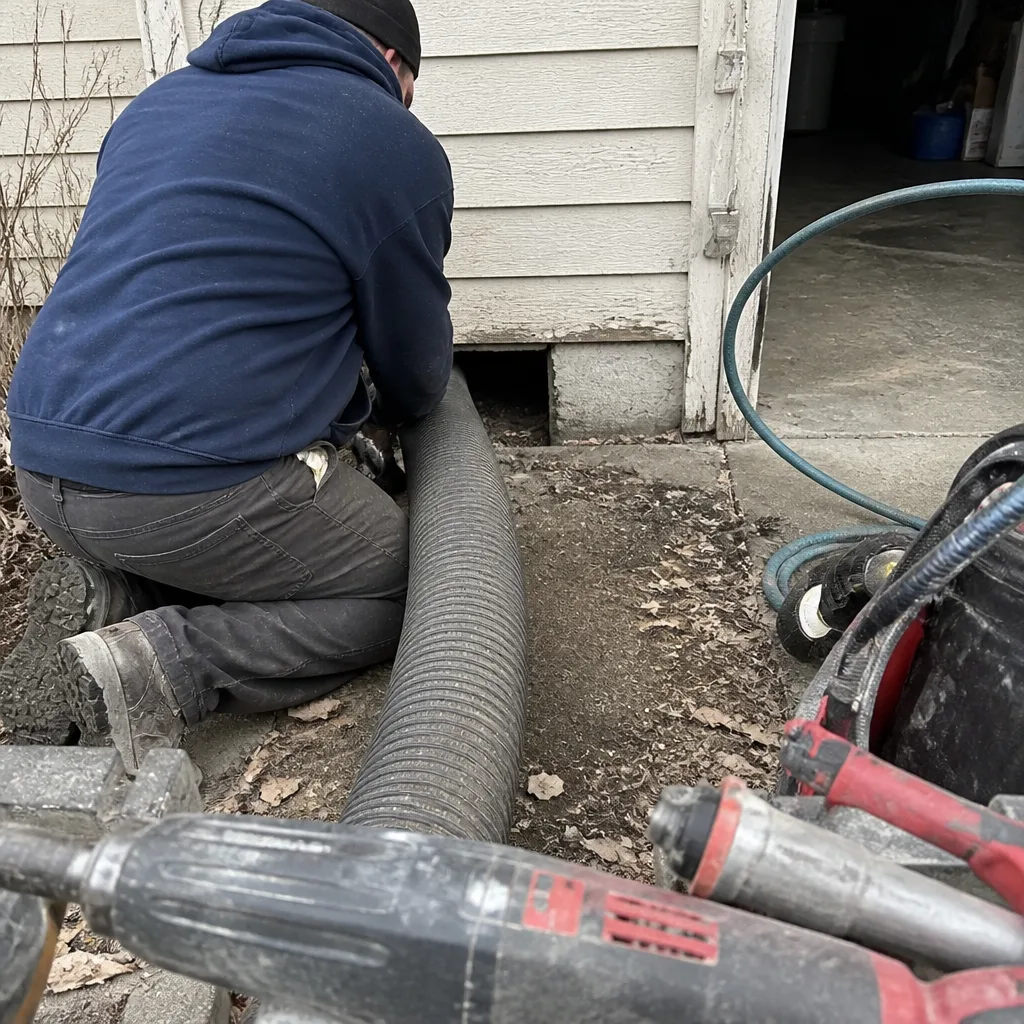 Before
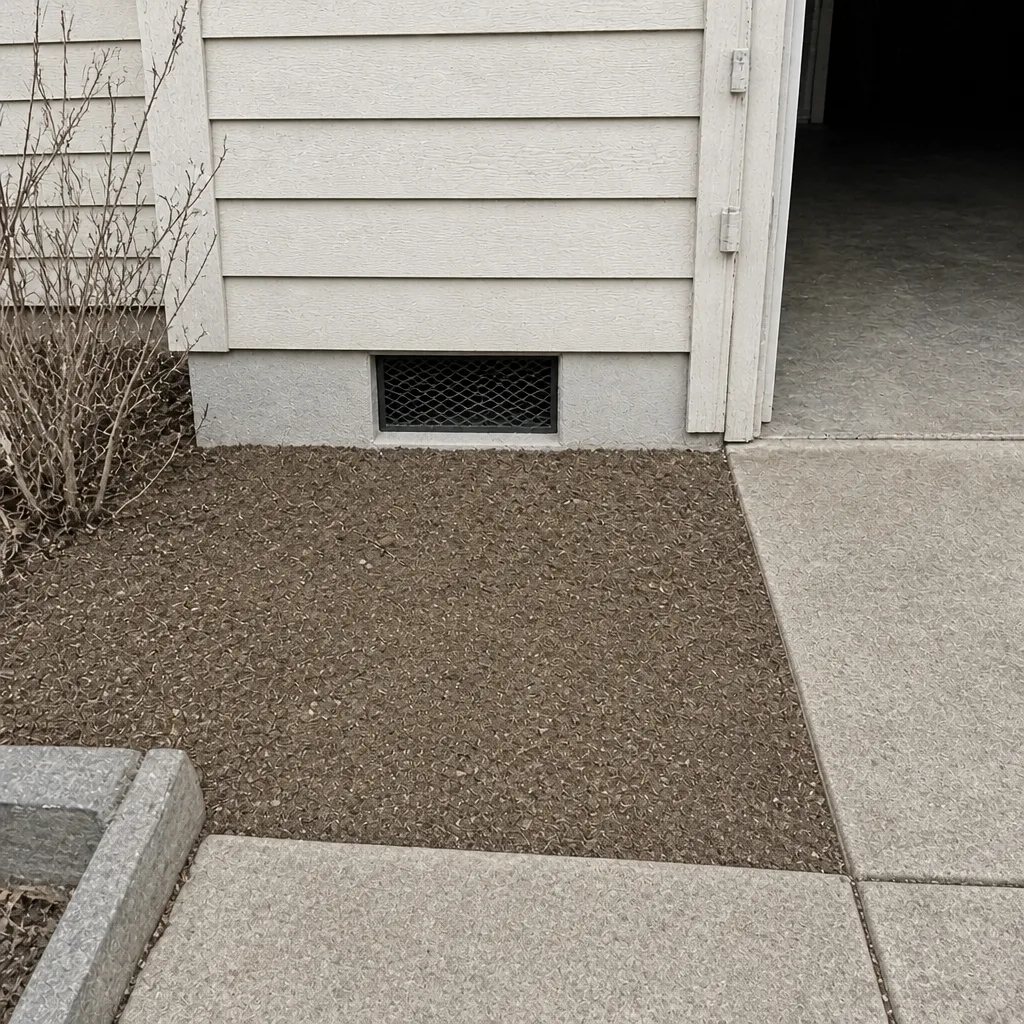 After
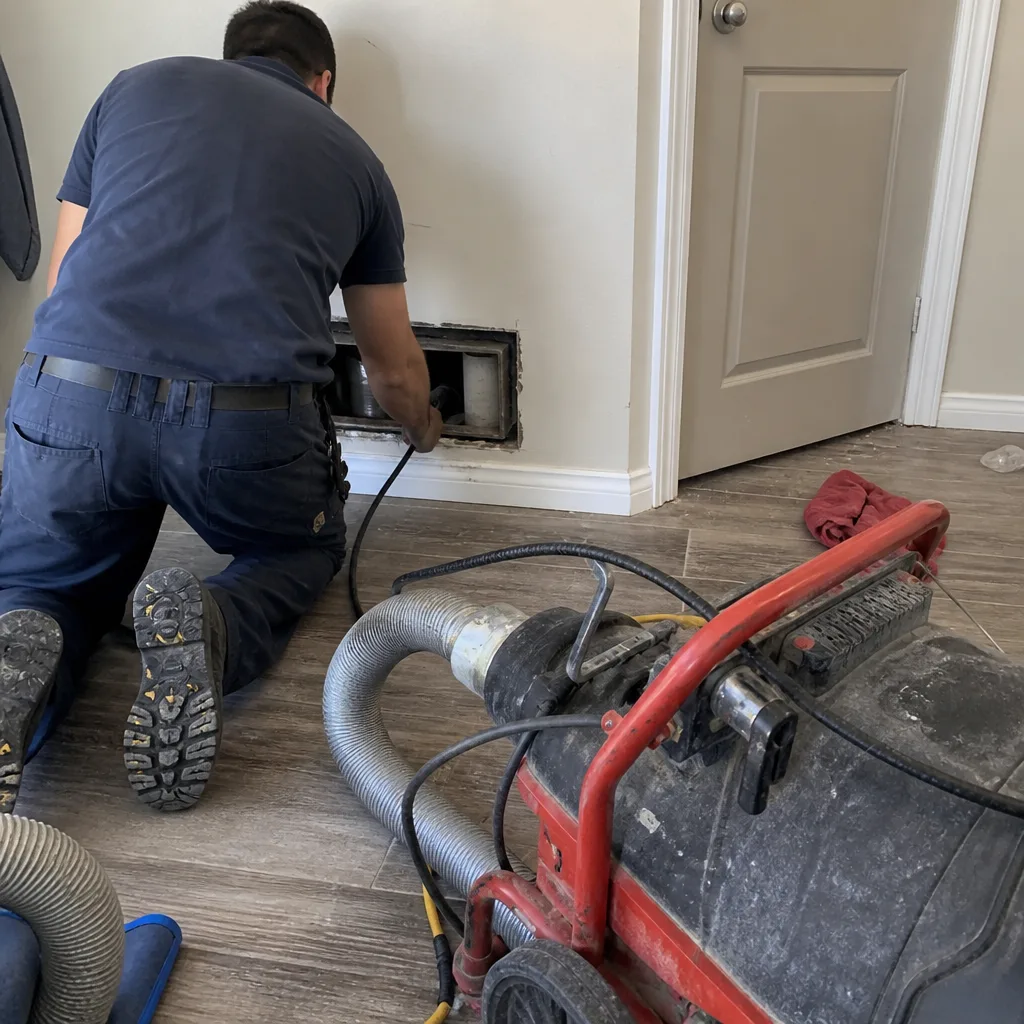 Before
 After
 Before
 After
When to Call a Professional
Some conditions are clearly a professional’s job. If you can see dust puffing out of a register when the heat or AC kicks on, the ductwork or the HVAC system is fouled enough to need cleaning. If anyone in the home has recurring allergy or respiratory symptoms that flare in winter or during smoke season, duct cleaning plus a filtration assessment is worth discussing with a technician. If your dryer takes longer than it used to, or the top of the dryer feels hot after a cycle, the vent needs attention. If you see visible damage to flex duct or a separated joint in the attic or crawlspace, seal it and clean it together. Cottonwood Heights Air Duct Cleaning offers free estimates in Cottonwood Heights. Call (866) 937-8903. We answer 24/7. Fast dispatch from 7am to 7pm, Sunday through Friday.
Frequently Asked Questions
Cost depends on the size of the system and the condition of the ducts, and it should be quoted as a flat price per system, agreed before work starts. We won’t quote a per-vent figure because that’s the pricing model behind most of the bait-and-switch complaints in this industry. Call (866) 937-8903 for an exact quote. Estimates are free.
Cheap quotes usually reflect a single equipment platform, no containment, no assessment, and no documentation. Sometimes the price is a teaser that grows once the technician is on site. If the equipment is a single portable unit and the pricing is per-vent, the lower number rarely holds. Call (866) 937-8903 for a full-system quote.
You should get before-and-after photos of your own ducts, not stock images, taken by the technician during the visit. We also recommend asking to see the negative-pressure setup before cleaning begins. If either one is missing, keep asking. Call (866) 937-8903 to schedule.
For most Cottonwood Heights homes, cleaning every few years is reasonable, but the more useful question is timing. Clean after a heavy wildfire season, after a renovation, and after any water intrusion. Inversion-heavy winters mean filtration and cleaning work together, so check filtration annually. Call (866) 937-8903 for a free estimate.
No. Cleaning only the ducts and skipping the blower wheel, coil, and return side leaves contamination in place upstream of the ductwork. A full-system cleaning covers both in one visit. Our HVAC cleaning page details the sequence. Call (866) 937-8903 for a free estimate.
No. Homeowners should not clean their own ducts. Contact cleaning run without proper negative pressure and containment moves contamination into the living space, and microbial contamination from a moisture problem gets spread the same way. Call (866) 937-8903 and let a trained technician assess the system.
The Bottom Line
The right air duct cleaning company in Cottonwood Heights is the one whose equipment matches your duct material and whose process follows the NADCA ACR standard. Ask three questions: what equipment they run (Rotobrush, Nikro, Abatement Technologies are the platforms to know), whether they establish negative pressure before cleaning, and whether they can repair and seal what they find. A full-service provider with a system-relationship model fits Cottonwood Heights homes better than a one-time vendor because air quality here is seasonal and ongoing, driven by winter inversions and wildfire smoke. Flat pricing per system, before-and-after photos, and a written estimate before work starts are the standard. A satisfaction guarantee behind the work is what you should expect.
Call Cottonwood Heights Air Duct Cleaning at (866) 937-8903 for a free estimate on any of our five services: duct cleaning, dryer vent cleaning, HVAC cleaning, duct repair and sealing, and air quality and sanitizing. We answer 24/7. Fast dispatch from 7am to 7pm, Sunday through Friday.
Written by the team at Cottonwood Heights Air Duct Cleaning.