
Last updated November 24, 2026
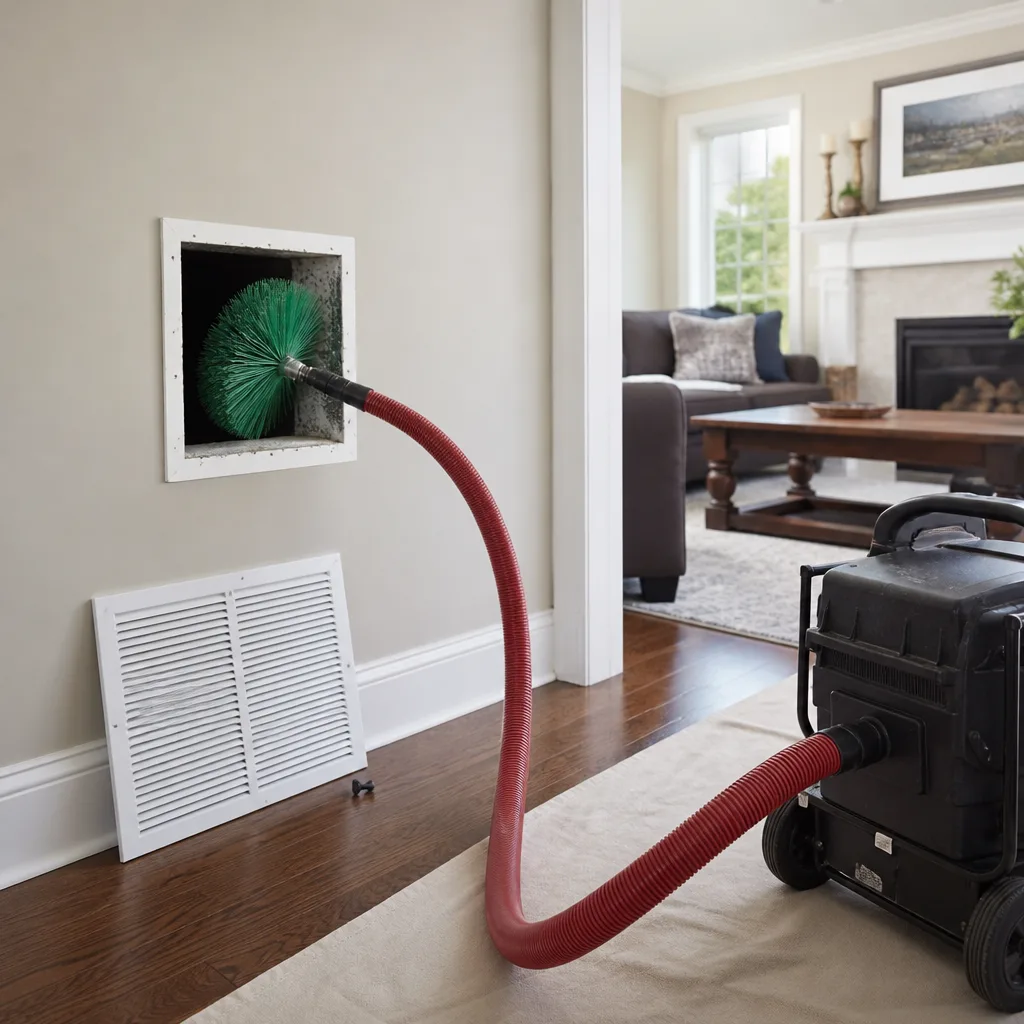 Whole-home duct cleaning
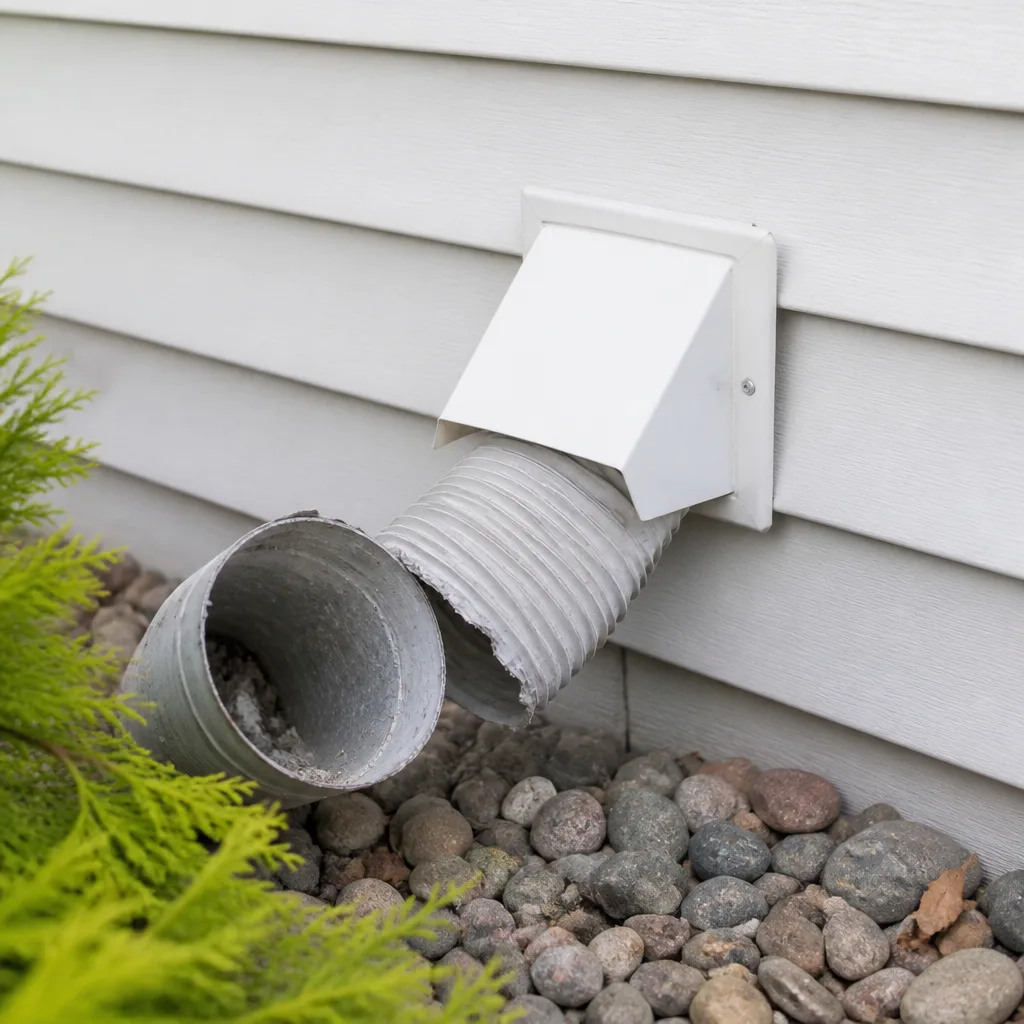 Dryer vent cleaning
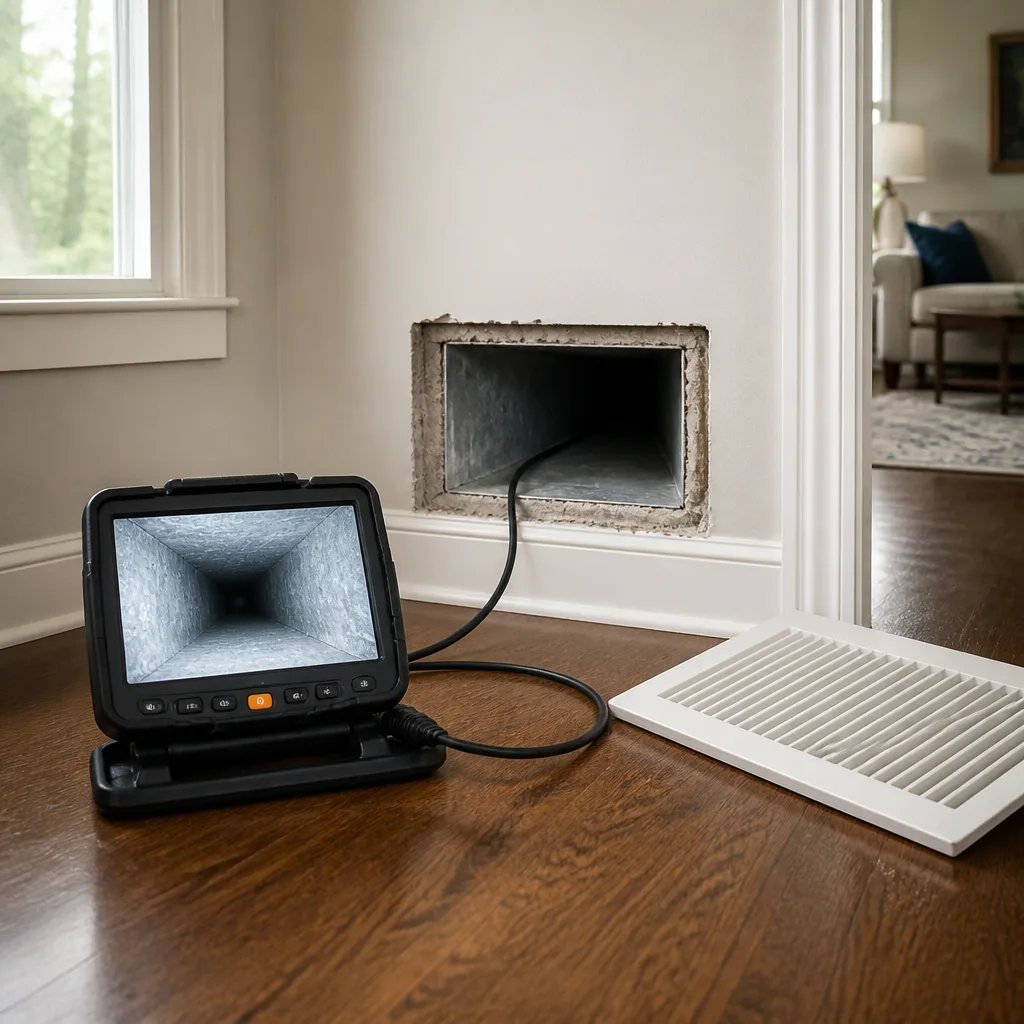 Camera inspection
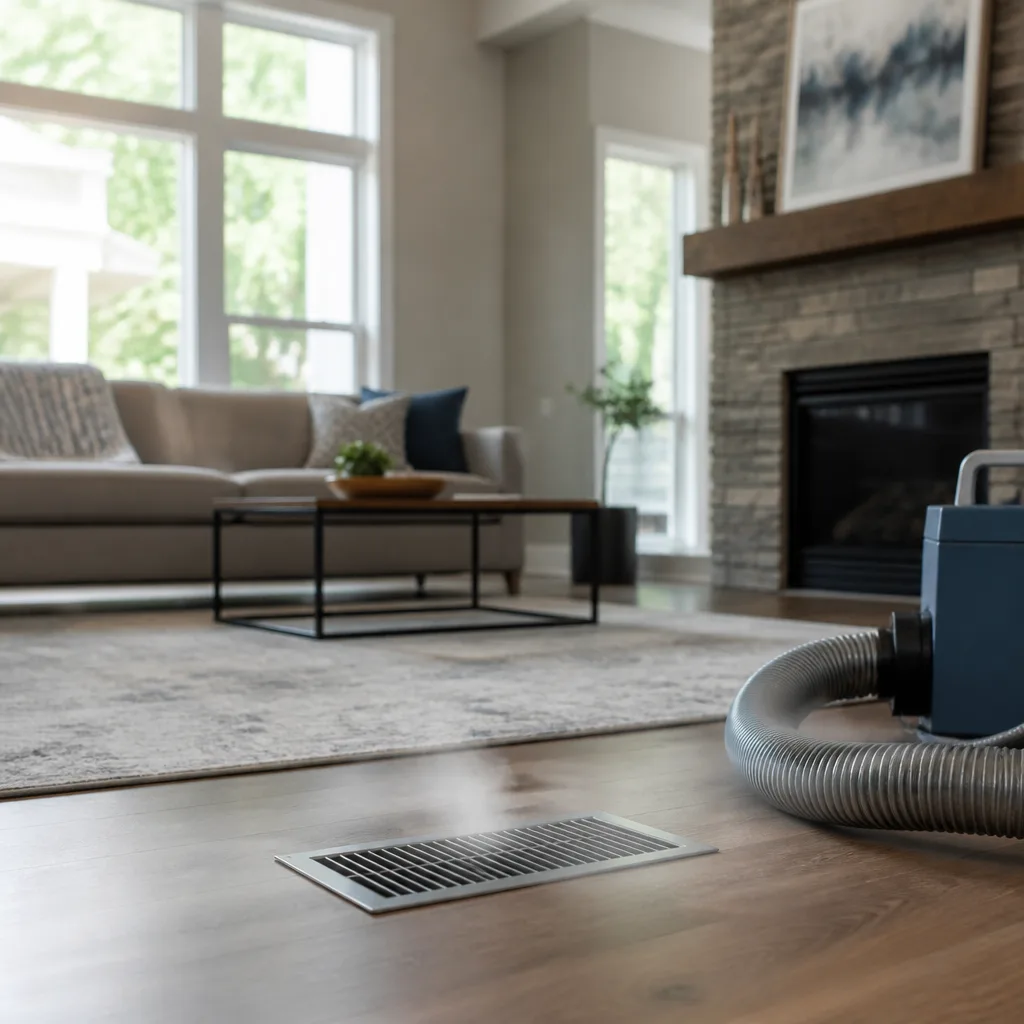 Sanitizing & deodorizing
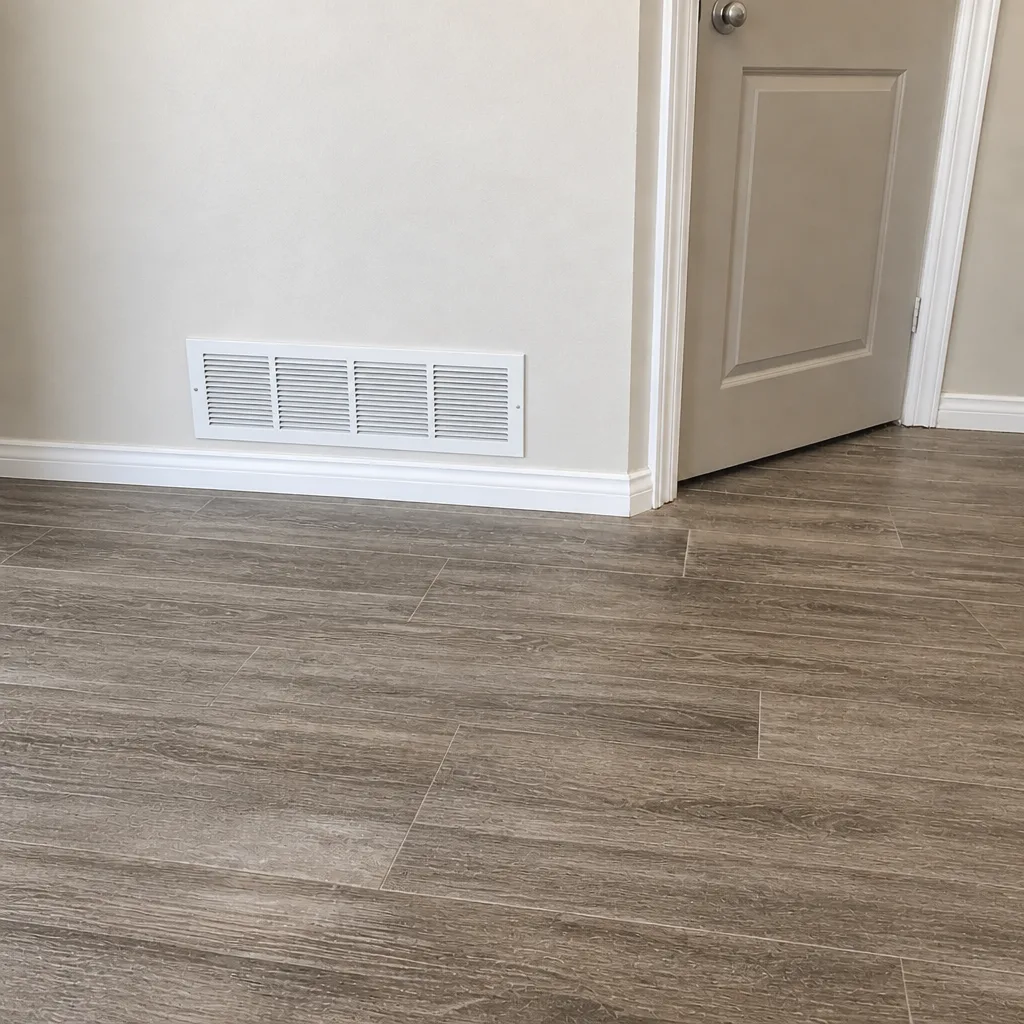
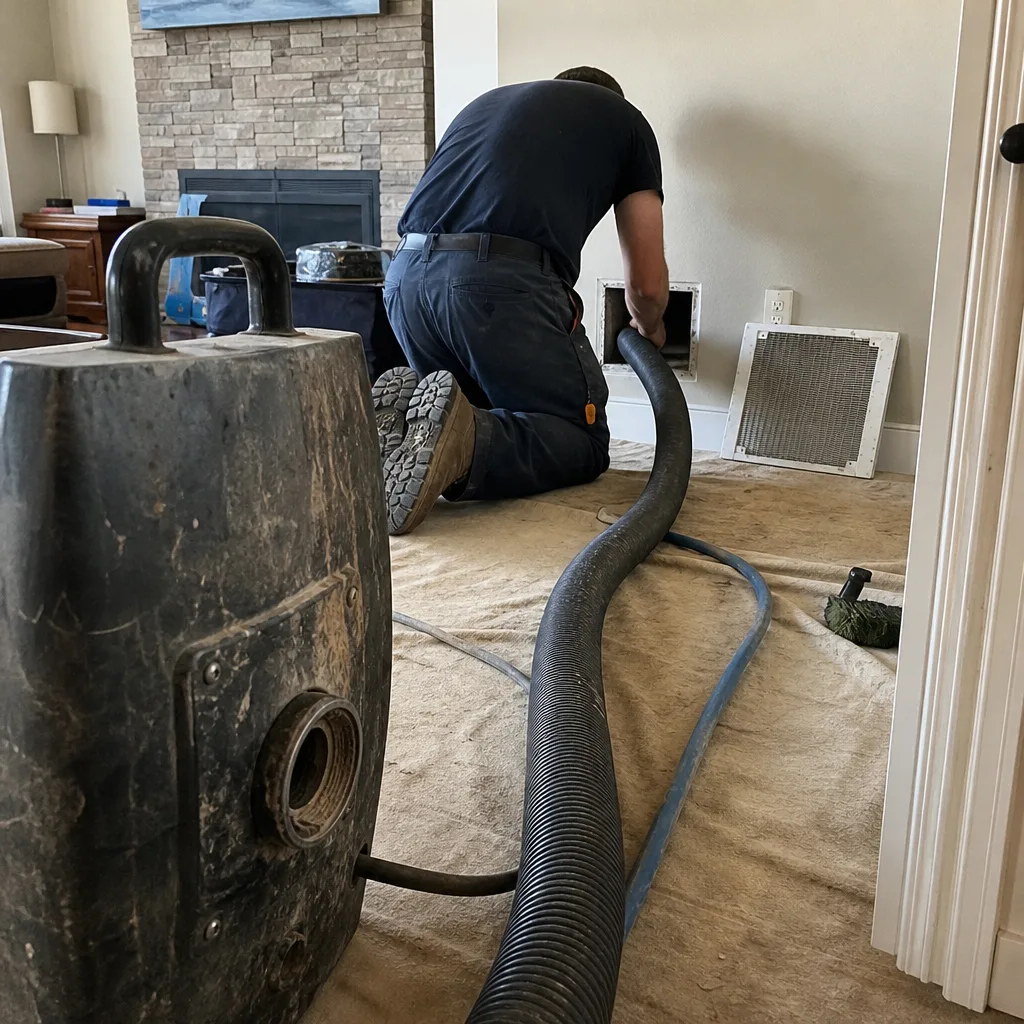
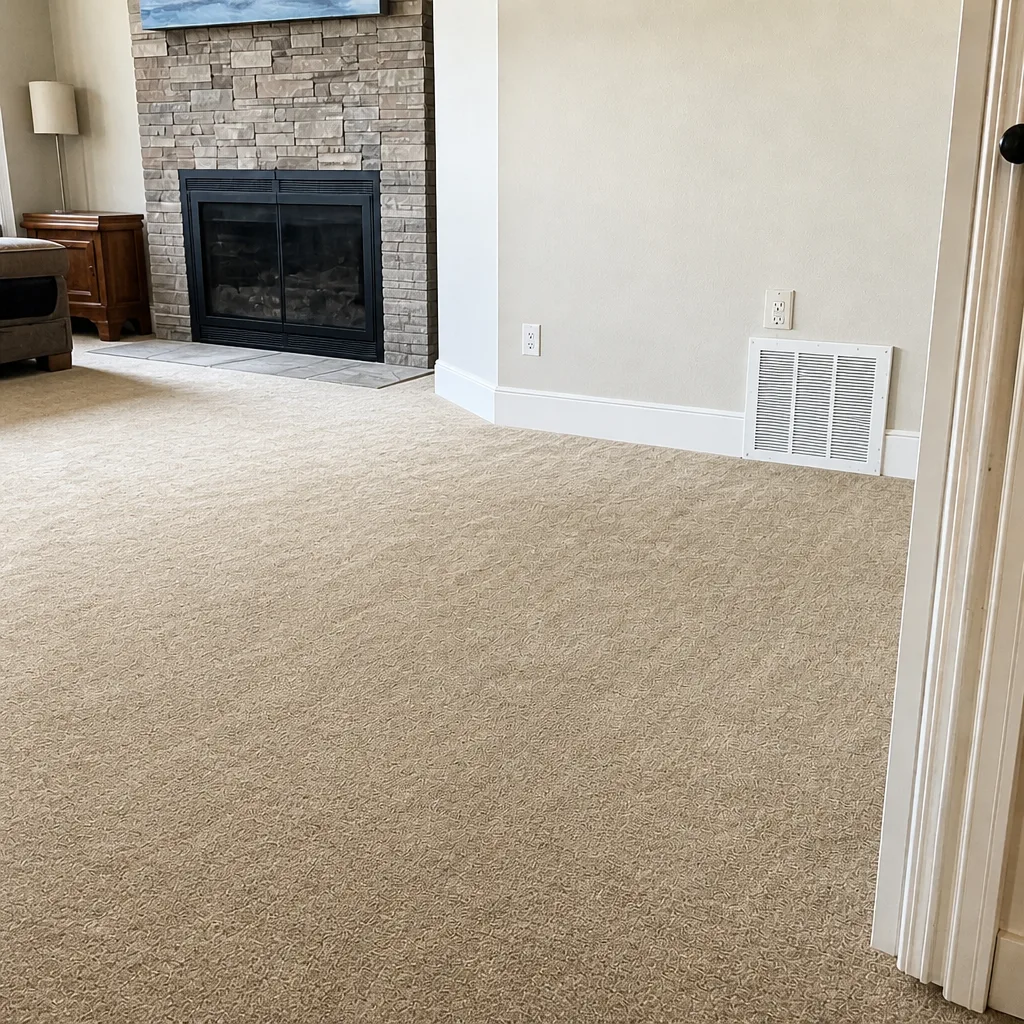
Whole-system duct and dryer vent check with before-and-after photos - you see exactly what came out of your vents
That "$99 whole-house special" is a bait ad - the real number appears once they are in your hallway, or the "clean" is a shop-vac at the register. We photograph the inside of your ducts before and after instead.
How to Hire an Air Duct Cleaning Contractor in Cottonwood Heights: A Step-by-Step Guide
In Utah, almost anyone with a van, a hose, and a shop vacuum can legally advertise air duct cleaning. There’s no statewide license that proves an operator knows what they’re doing inside your ductwork. That mailer coupon for a rock-bottom price reflects that reality clearly: minimal equipment, minimal training, minimal investment in your home’s air. For a Cottonwood Heights homeowner trying to protect a family’s air quality, the vetting has to happen through your own questions, not a state database. This guide gives you a structured interview process – what to ask about equipment, certifications, scope, and written estimates – so you can separate capable operators from phone-and-van outfits before anyone touches your registers.
Quick Answer
To hire an air duct cleaning contractor in Cottonwood Heights, verify the equipment (professional negative-pressure machines with a stated CFM rating, not a shop vacuum), confirm real credentials through NADCA’s public registry, and demand a written pre-job assessment that lists register count, linear footage, equipment, and sanitizing options before anyone starts. Price should follow the scope of work, never lead it. A legitimate contractor will welcome these questions; a bait-and-switch operator will dodge them.
Styles & brands we work with
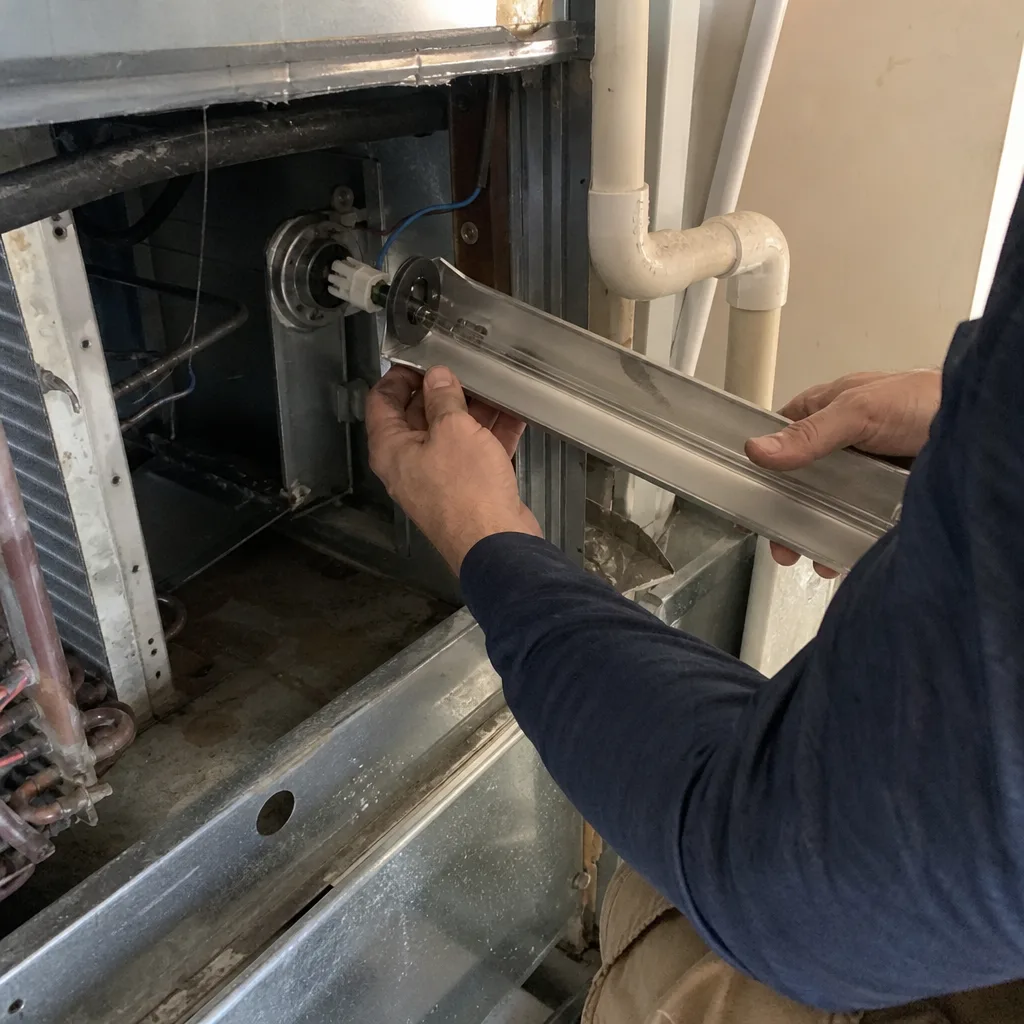
- Whole-home duct cleaning
- Dryer vent cleaning
- Camera inspection
- Sanitizing & deodorizing
Table of Contents
- Why Utah’s licensing gap changes how you vet a contractor
- The equipment questions to ask before you book
- NADCA membership vs. NADCA certification: what the difference means
- Red flags specific to the Cottonwood Heights market
- What a legitimate written estimate should include
- Cleaning-only vs. full-system capability
- A step-by-step hiring process
- The interview questions to ask on the phone
Why Utah’s Licensing Gap Changes How You Vet a Contractor
Utah does not require a specific license to clean air ducts. A general business license and a vehicle are enough to start taking calls. That’s not a knock on the state – many trades here operate under general contractor rules rather than narrow specialty licenses – but it means the usual shortcut of “check the license and you’re done” doesn’t apply to air duct cleaning. The credibility of the operator has to come from somewhere else: their equipment, their process, their training, and their willingness to put the scope of work in writing.
Cottonwood Heights sits at the base of the Wasatch Range, and the housing stock here ranges from 1970s ranches in neighborhoods like Cottonwood Heights proper up toward the canyon mouths to newer builds near the east bench. Older homes in this area often have original galvanized or early flex ductwork with joints that have loosened over decades. Newer construction sometimes has flex runs with sharp bends and undersized returns. Both shapes of home collect dust differently, and a contractor who understands that difference will ask about the age of your home and the layout of your system before quoting a price.
In our experience, the operators worth hiring are the ones who walk the house first. They count registers. They ask whether anyone in the household has allergies or asthma. They check the air handler and the return plenum. Only then do they talk price. If someone quotes you a number over the phone without seeing the system, that number is a hook, not an estimate.
The Equipment Questions to Ask Before You Book
Equipment is where the real divide sits. Consumer-grade vacuums and shop tools generate weak suction at the register and none at the far end of a duct run. Professional duct cleaning uses negative-pressure machines that pull the whole system under vacuum while an agitation tool loosens debris from the duct walls. Without negative pressure, loosening dust just redistributes it into the living space.
Ask these questions on the phone before anyone schedules a visit:
- What type of equipment do you use? Listen for a named professional system – Rotobrush and Nikro are two common ones in this trade, both used by restoration contractors. If the answer is “a really powerful vacuum,” that’s a red flag.
- Is it truck-mounted or portable? Portable negative-air machines are common and fine for most homes. Truck-mounted setups are sometimes used for larger commercial jobs. Either is acceptable; a vague answer is not.
- What CFM rating does the machine operate at? CFM – cubic feet per minute – measures how much air the machine moves. A contractor who knows their equipment will know this number. One who doesn’t either rents it or doesn’t understand it.
- Do you use HEPA filtration on the exhaust? On jobs with heavy contamination, a HEPA filter on the negative-air machine keeps fine particulates out of your home. Abatement Technologies equipment is built around contaminant control for exactly this reason.
- What agitation tool do you use inside the ducts? Whips, brushes, and air-driven tools all serve different duct types. Flex duct needs gentler tools than rigid metal. A professional will match the tool to the duct.
These five questions, asked in a single phone call, will sort the field faster than any review site. If you’re also thinking about HVAC cleaning – the coils, blower, and cabinet – ask whether the same equipment handles that work or whether it’s a separate process. A contractor who can clean the whole air path from return to supply is worth more than one who scrubs only the duct runs.
NADCA Membership vs. NADCA Certification: What the Difference Means
The National Air Duct Cleaners Association (NADCA) is the trade body that publishes the ACR Standard – the industry benchmark for how duct cleaning is supposed to be done. Two things about NADCA get confused constantly: membership and certification. They are not the same, and the difference matters when you’re hiring.
- NADCA membership means the company has joined the association and pays dues. It signals some commitment to the trade, but it does not mean individual technicians have been tested.
- NADCA certification (the Air Systems Cleaning Specialist, or ASCS, credential) means an individual technician passed an exam covering duct cleaning methods, safety, and standards. It’s held by a person, not a company.
Ask both questions: “Is your company a NADCA member?” and “Are your technicians ASCS certified?” Then verify. NADCA maintains a public registry on its website where you can search by company name or by individual. It takes two minutes. Any contractor who claims a credential but isn’t findable there is a problem.
Certification isn’t the only path to competence – plenty of skilled technicians learned the trade through hands-on work, and our technicians have up to 13 years of experience between them. But when you’re letting someone open the air path of your home, verified credentials are worth asking about. A contractor who is genuinely certified will be glad you checked.
Red Flags Specific to the Cottonwood Heights Market
Bait-and-switch is the oldest move in this trade, and it shows up in Cottonwood Heights the same way it does everywhere else. A mailer advertises one low price, then a technician arrives and explains that the base price only covers “one main trunk” and the rest costs more – sometimes many times more. You’re already in the house, the equipment is set up, and the pressure to say yes is high. The way to avoid this is to recognize the pattern before you call.
Watch for these warning signs:
- Vague scope of work. “We’ll clean the system” is not a scope. A real one names the number of registers, the linear footage being cleaned, and what’s included.
- No pre-job assessment. If nobody walks the house before quoting, the quote isn’t based on your system. It’s based on a script.
- Add-on pricing after arrival. Sanitizing, coil cleaning, and dryer vent work are legitimate services – but they should be priced upfront, not introduced on-site as surprise extras.
- Pressure tactics. A contractor who says the price is only good today, or “we have a crew in your neighborhood right now,” is selling urgency, not service.
- No written documentation. Before-and-after photos of your own ducts, inside the system, should be standard. If a company can’t or won’t provide proof of work, ask why.
- Cash-only pricing. Not always disqualifying, but combined with no written estimate, it’s a sign the paperwork trail is intentionally thin.
- No mention of dryer vent cleaning. In this trade, a serious operator nearly always offers dryer vent cleaning because a blocked dryer vent is a real fire risk. If a company that shows up for duct work has no opinion on the dryer vent in your laundry room, they’re focused on the aesthetic surface of the trade, not the safety parts.
Cottonwood Heights is a relatively small city – roughly the size of a few large neighborhoods – and word travels. Ask around in local groups or among neighbors for names. The companies that have reputations to protect in a market this tight tend to answer the equipment questions differently than fly-by-night operators working the whole Wasatch Front.
What a Legitimate Written Estimate Should Include
A written estimate is your contract, your record, and your reference point if anything goes sideways. The right one is not a couple of lines on a carbon form. It’s a document that tells you exactly what’s being cleaned and how. Here’s what to expect from a professional estimate, and what to ask for if it’s missing:
- Register count. The number of supply and return registers being cleaned. This drives the labor and time.
- Linear footage. Approximate total feet of duct being cleaned. A home with a finished basement and multiple zones has more than a simple ranch.
- Equipment being used. The specific machine and its capability – portable negative-air, truck-mounted, HEPA filtration included or not.
- Scope of work detail. Air handler? Coils? Return plenum? Blower compartment? Each system component should be listed explicitly if it’s included.
- Sanitizing options. Separate line item if you choose it, with the product named. Guardsman-grade sanitizers are one common professional option; ask which product is being used and why.
- Duct repair and sealing. If leaks, disconnected joints, or crushed flex runs are found during cleaning, what happens next? A real estimate addresses this upfront – “we repair what we find” is a phrase you should hear from anyone competent.
- Warranty language. What’s the workmanship warranty? Any guarantee on the cleaning itself? Get it in writing, not verbal.
- Price, marked as an estimate. The written estimate sets the final price. It should not be a range that expands once the crew is on-site.
Ask for the estimate in writing before you schedule. If a company won’t put one together, that’s your answer. This is exactly how we structure estimates for Cottonwood Heights Air Duct Cleaning – one firm price per system, agreed before work starts, with the scope of work spelled out on paper.
Cleaning-Only vs. Full-System Capability
Here’s the long-term question most homeowners don’t think to ask: after the cleaning, what if the ducts are leaking, disconnected, or damaged? Cleaning-only operators clean and leave. The dust returns through the leaks in a season or two, and you’re back on the phone with someone else. That’s not a value problem; it’s a false economy.
Full-system capability means the same contractor can assess, clean, repair, and seal in one relationship. Duct repair and sealing is a natural extension of cleaning – you can’t clean what leaks, and you can’t seal what’s full of debris. Done together, the cleaning actually holds. Done separately, you pay twice.
Ask these questions to sort the two:
- Do you do duct repair and sealing yourself, or do you subcontract it? Subcontracting means the contractor can’t fully stand behind the final state of the system.
- What happens if you find a damaged flex run or a disconnected joint? A full-system operator quotes repair as part of the work if they find it. A cleaning-only operator refers you elsewhere.
- Do you assess and recommend filtration upgrades? Companies authorized to service and recommend systems like Honeywell and Aprilaire can match the filtration to your home’s air quality, not just clean the ducts and walk away.
- Do you sanitize as part of the full sequence or as an upsell? Sanitizing belongs in the sequence – after cleaning and sealing, before the system goes back into service – not pitched as a surprise cost.
In our experience, homeowners who choose full-system work once spend less over five years than those who piece it together – a clean, then a repair, then a reseal, then another clean when dust comes back through the leak the repair missed. That’s the ROI case for a contractor who can handle Cottonwood Heights Air Duct Cleaning from intake to output.
A Step-by-Step Hiring Process
Here’s the full sequence, from first phone call to post-job verification. Work through it in order; skipping steps is what gets homeowners into trouble.
- Ask about equipment capability first. Before price, before scheduling. If the equipment answer is weak, stop the call. You’ll save yourself hours by screening this first.
- Verify NADCA membership or certification. Search the public registry. Ask for the ASCS credential if it’s claimed.
- Request a walkthrough or detailed phone assessment. A good contractor asks about your home’s age, the number of registers, whether anyone in the household has allergies, and the condition of the air handler before quoting.
- Get a written estimate. Register count, linear footage, equipment, scope, sanitizing options, warranty, price. Every line item.
- Ask about post-cleaning repair and sealing. What happens if a leak or a crushed run is found? Get the answer before the crew arrives.
- Confirm the sanitizing product and process. If you’re including sanitizing (reasonable for homes with mold history, water damage, or heavy dust), ask what product is used and what it’s for.
- Ask about before-and-after documentation. Photos of your own ducts, inside the system, taken during the job. This is the single best proof the work happened.
- Read the warranty before signing. Workmanship warranty, scope of guarantee, how disputes are handled. Then sign.
Steps three through five typically take a single phone call and a follow-up email. That’s an hour of your time spent protecting a system that cost thousands of dollars to install. Worth every minute.
The Interview Questions to Ask on the Phone
If you want a single script for the initial call, this is it. Read the questions off the page and note the answers. A contractor who answers them without hesitation is likely capable; a contractor who deflects or gets defensive is likely not.
- “What negative-pressure equipment do you use, and what’s its CFM rating?”
- “Is your company NADCA member? Are your technicians ASCS certified?”
- “Will you do a walkthrough assessment before quoting, or is this a phone quote?”
- “What’s included in your base price – how many registers, how many linear feet?”
- “Do you repair and seal ducts if you find leaks during cleaning?”
- “What sanitizing product do you use, and is it priced separately?”
- “Will you provide before-and-after photos of my ducts after the job?”
- “What’s your workmanship warranty?”
Keep the notes. If a problem arises later, having the answers in writing – even your own handwritten notes – is more useful than trying to reconstruct a memory. The best operators in Cottonwood Heights will appreciate that you asked; it tells them you’re serious about the work.
Common Mistakes to Avoid
- Leading with price. Choosing the cheapest quote without asking about equipment is how homeowners end up with a cursory brush-through that redistributes dust. Price should follow scope, not replace it.
- Accepting a phone quote as a full estimate. A number quoted over the phone without any assessment is a marketing hook. The written estimate after a walkthrough is the real price.
- Confusing NADCA membership with certification. Check the registry for individual ASCS credentials if the company makes that claim. Members and certified technicians are different things.
- Skipping the pre-job assessment. A walkthrough catches the crushed flex run, the disconnected joint, and the undersized return before anyone starts. Skipping it means surprises on the invoice.
- Ignoring the dryer vent. Cottonwood Heights homes often have dryers running against outside walls with long vent runs. If the contractor is already there and doesn’t offer to check the dryer vent, that’s an incomplete visit.
- Assuming cleaning is enough. Cleaning without repairing cracked or disconnected ductwork means the dust returns within a heating season. The sequential job is clean, seal, sanitize in that order.
- Not asking for photos. Before-and-after shots of your own ducts are the only real proof the work happened. If the company doesn’t offer, ask anyway.
See the difference
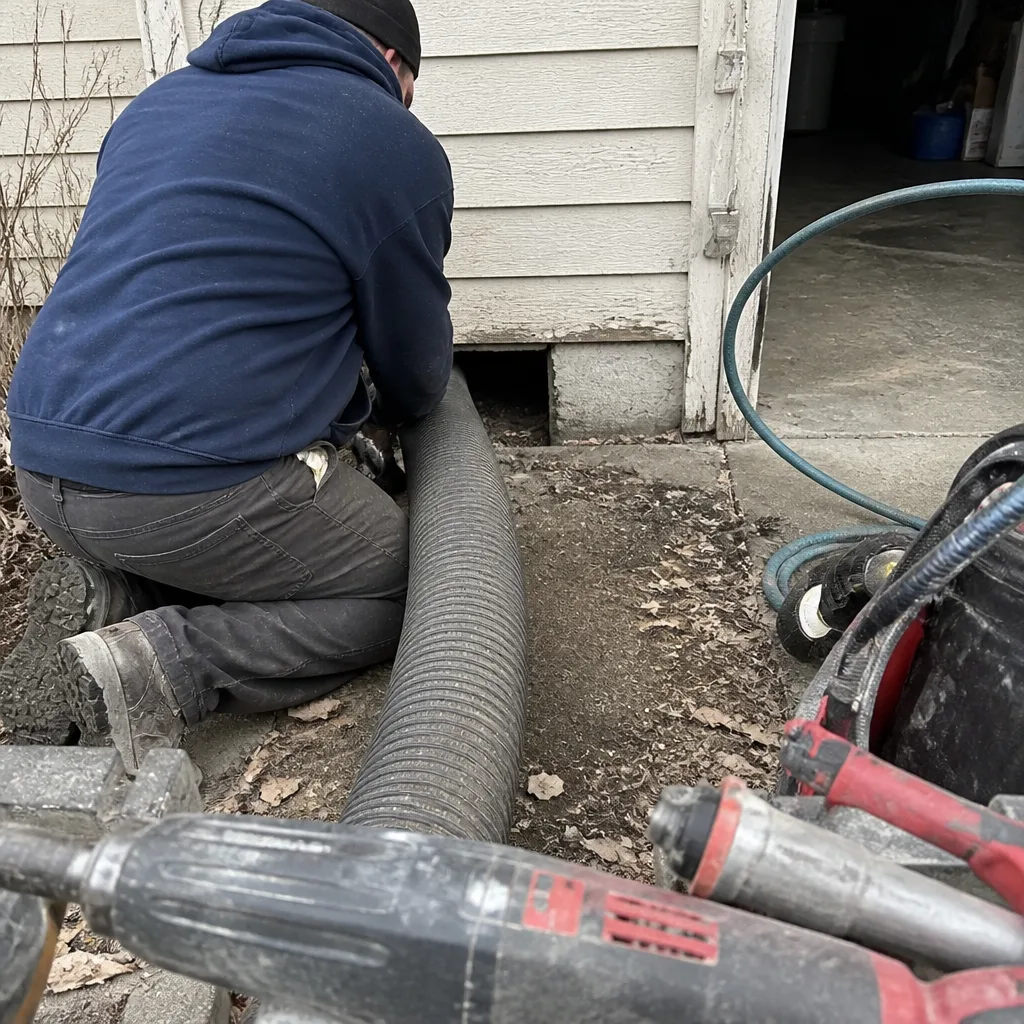 Before
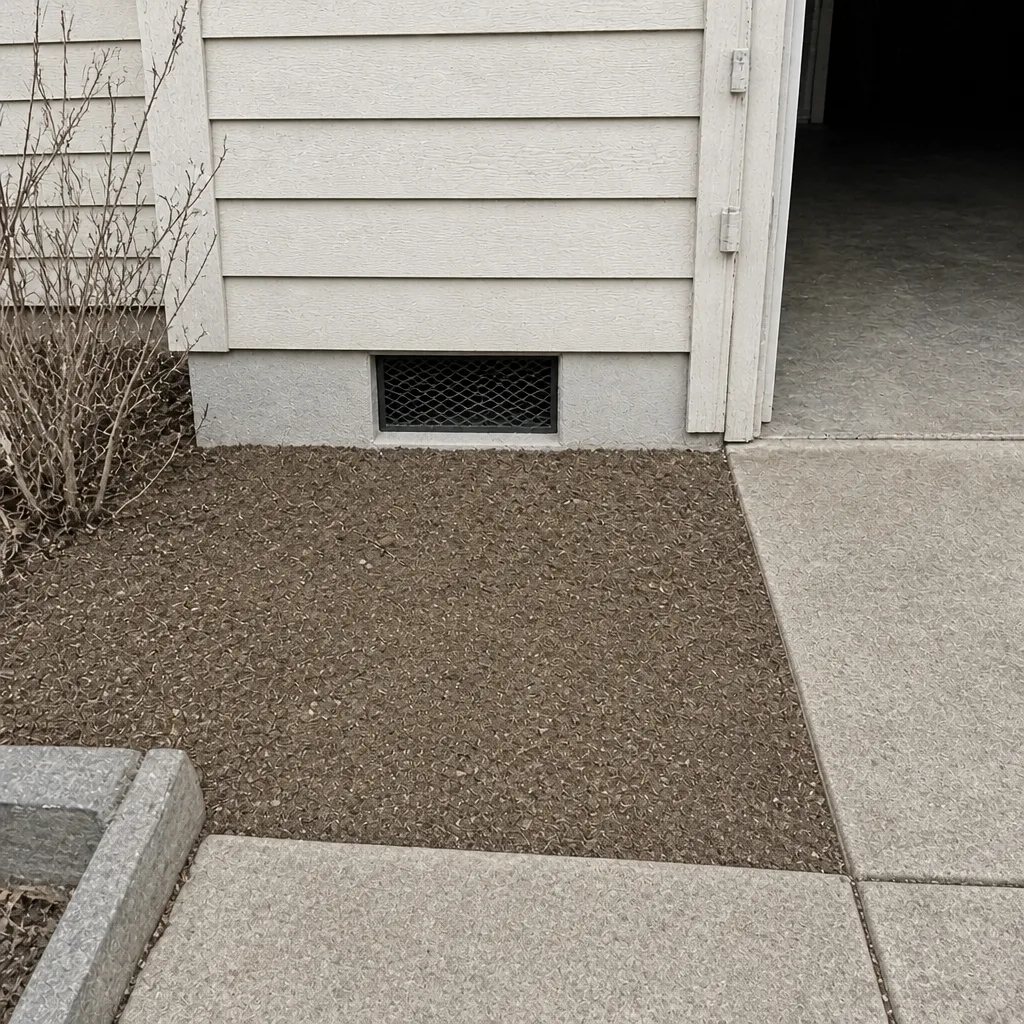 After
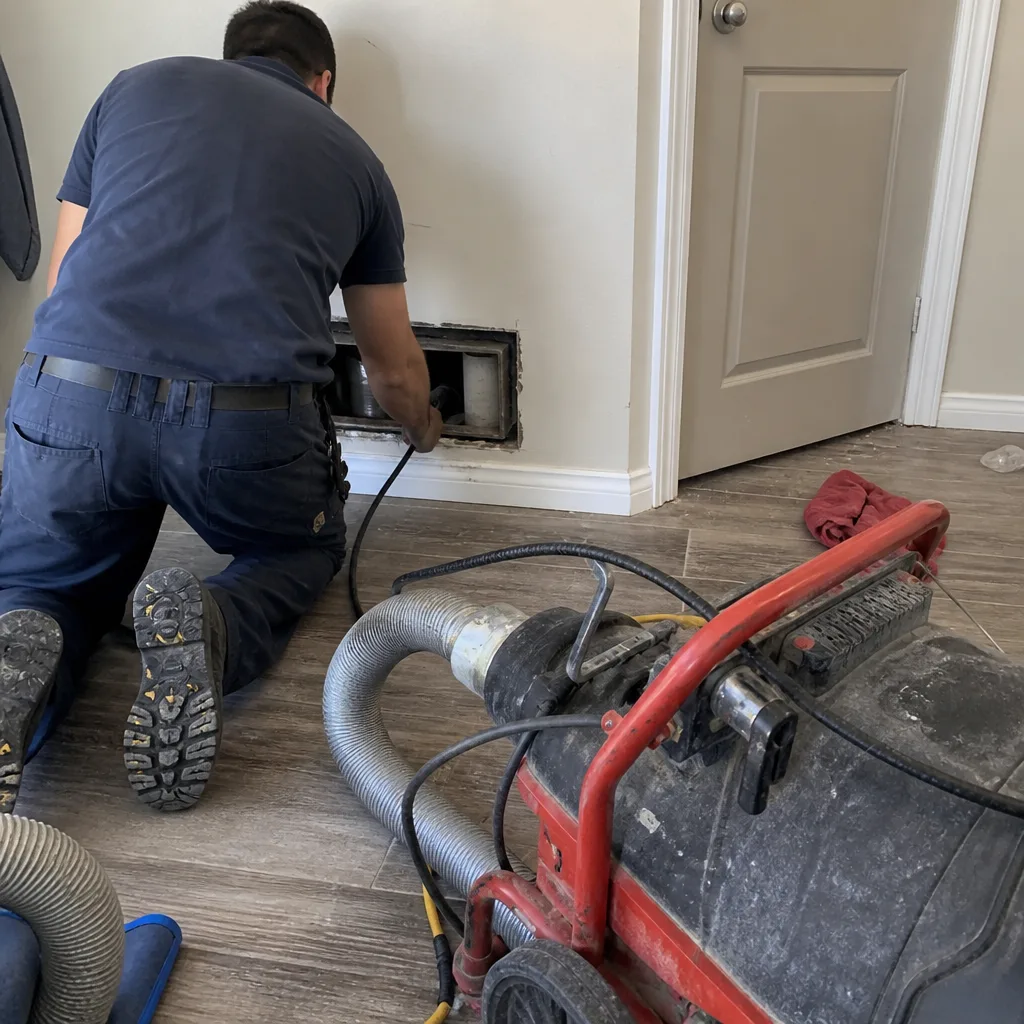 Before
 After
 Before
 After
When to Call a Professional
Not every dusty house needs professional cleaning, but several situations do. If you can see visible dust puffing out of registers when the furnace kicks on, or dark streaks around the supply vents, the ductwork is likely past what a filter change can address. If anyone in the household has persistent allergies, asthma, or unexplained respiratory irritation that improves when they’re away from home, having the system assessed is worth the call. Recent water damage, a mold smell in the return, or a renovation that produced heavy drywall dust are all reasons to call. So is a dryer that takes much longer than it used to dry a load – the vent may be blocked. Cottonwood Heights Air Duct Cleaning offers free estimates in Cottonwood Heights – call (866) 937-8903. We answer 24/7, and fast dispatch runs 7am to 7pm, Sunday through Friday.
Frequently Asked Questions
No. Utah does not have a specific license for air duct cleaning, which means vetting has to happen through the contractor’s equipment, credentials, and written scope of work rather than a state database. Ask about equipment capability, NADCA membership, and written estimates on the first call. Call (866) 937-8903 for an exact quote – estimates are free.
Air duct cleaning in Cottonwood Heights is priced per system, not per vent, because the number of registers and linear footage both matter. Any honest quote will reflect the size and layout of your specific system, which is why the walkthrough matters. Call (866) 937-8903 for an exact quote – estimates are free.
Search the NADCA public registry on the association’s website, either by company name or by the individual technician’s name. NADCA maintains the registry specifically so homeowners can verify claims. If someone says they’re certified but isn’t in the registry, ask why.
Ask for before-and-after photos of your own ducts, taken inside the system during the job. The best operators provide them without being asked. If photos aren’t offered, request them before you schedule. Call (866) 937-8903 for an exact quote – estimates are free.
Low quotes usually reflect consumer-grade equipment, limited scope (often just one main trunk), or missing services that cost extra on-site. The base price is a hook; the real cost arrives in add-ons. A clear scope of work and one flat price per system are how you avoid the surprise. Call (866) 937-8903 for an exact quote – estimates are free.
Most homes can go several years between cleanings if the system is sealed and filters are changed on schedule. Homes with pets, allergies, recent renovations, or older ductwork that leaks tend to need it more often. Ask about duct repair and sealing at the same time – it’s what makes the cleaning last.
The Bottom Line
Utah’s lack of a specific license for duct cleaning means the vetting is on you – but it’s a straightforward process once you know the questions. Ask about equipment first (professional negative-pressure machines with a stated CFM rating). Verify NADCA membership and ASCS certification on the public registry. Get a written pre-job assessment that lists registers, linear footage, equipment, sanitizing, and warranty. Choose a contractor who can repair and seal what cleaning reveals, not just clean and leave. And ask for before-and-after photos of your own ducts. The right contractor will welcome all of it. The wrong one will try to talk you out of the conversation – which is exactly the answer you needed.
Call (866) 937-8903 for a free estimate. We answer 24/7. Fast dispatch from 7am to 7pm, Sunday through Friday.
Written by the team at Cottonwood Heights Air Duct Cleaning.