
Last updated November 24, 2026
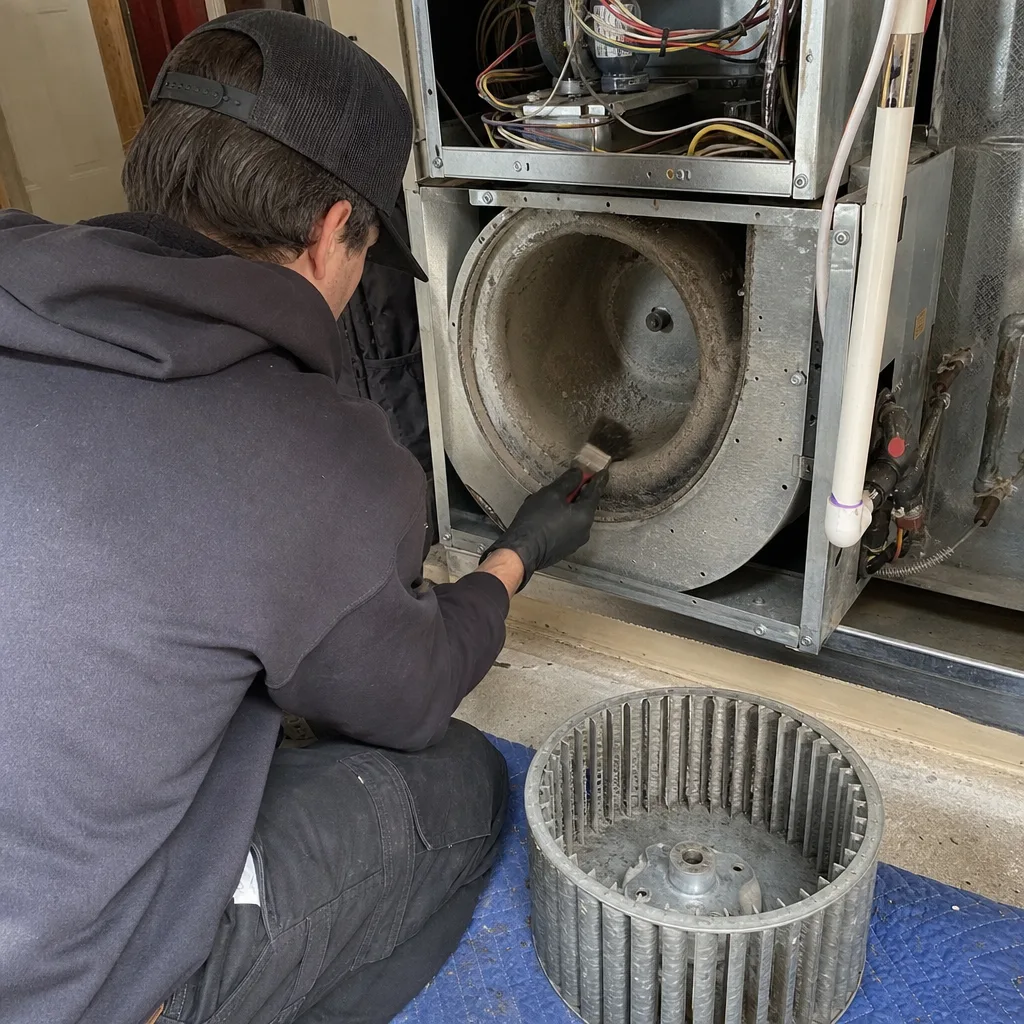
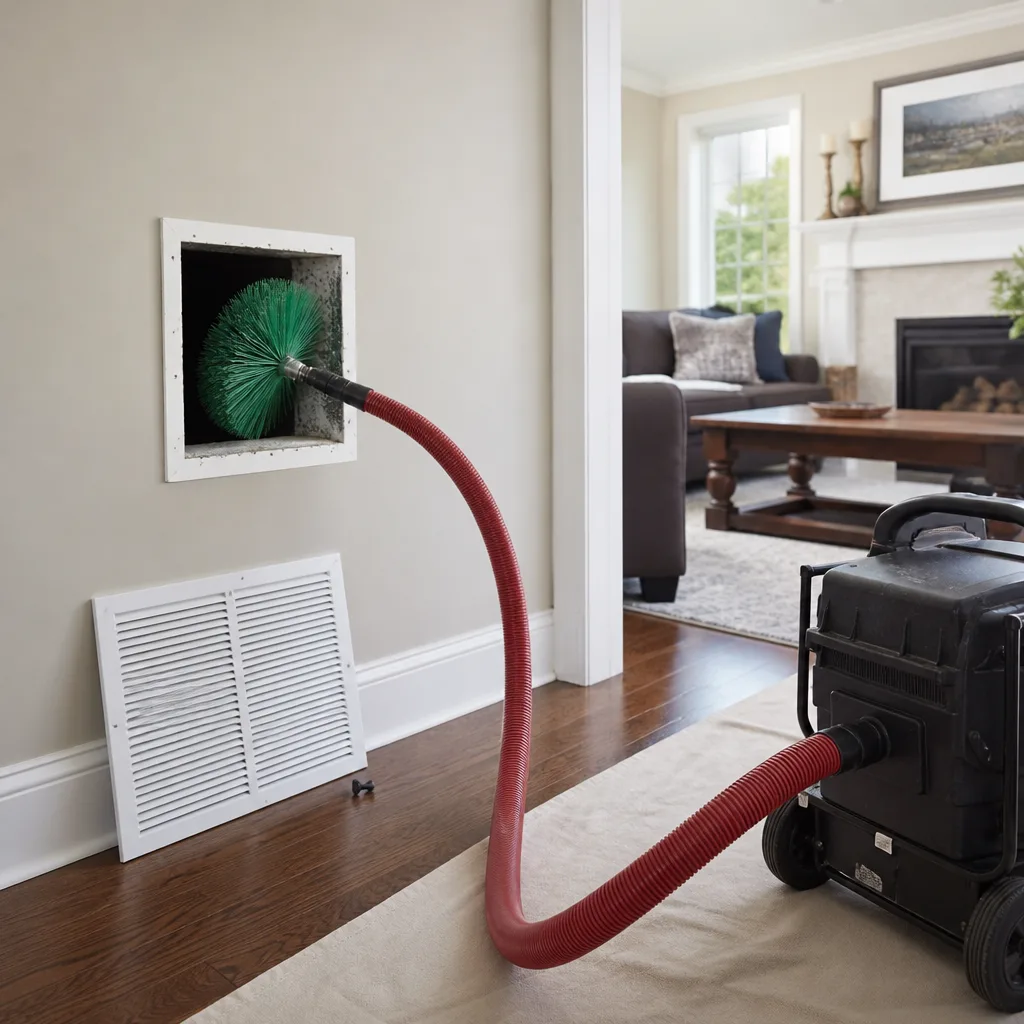 Whole-home duct cleaning
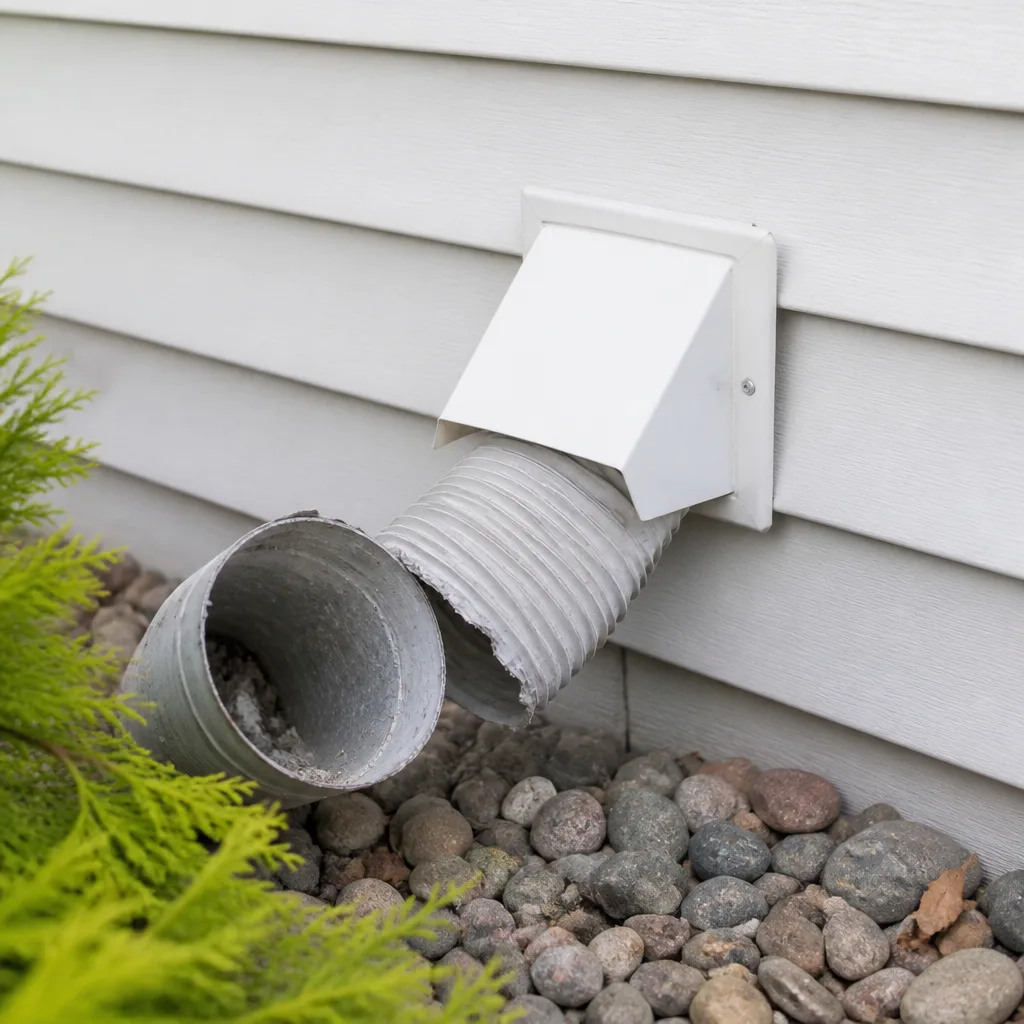 Dryer vent cleaning
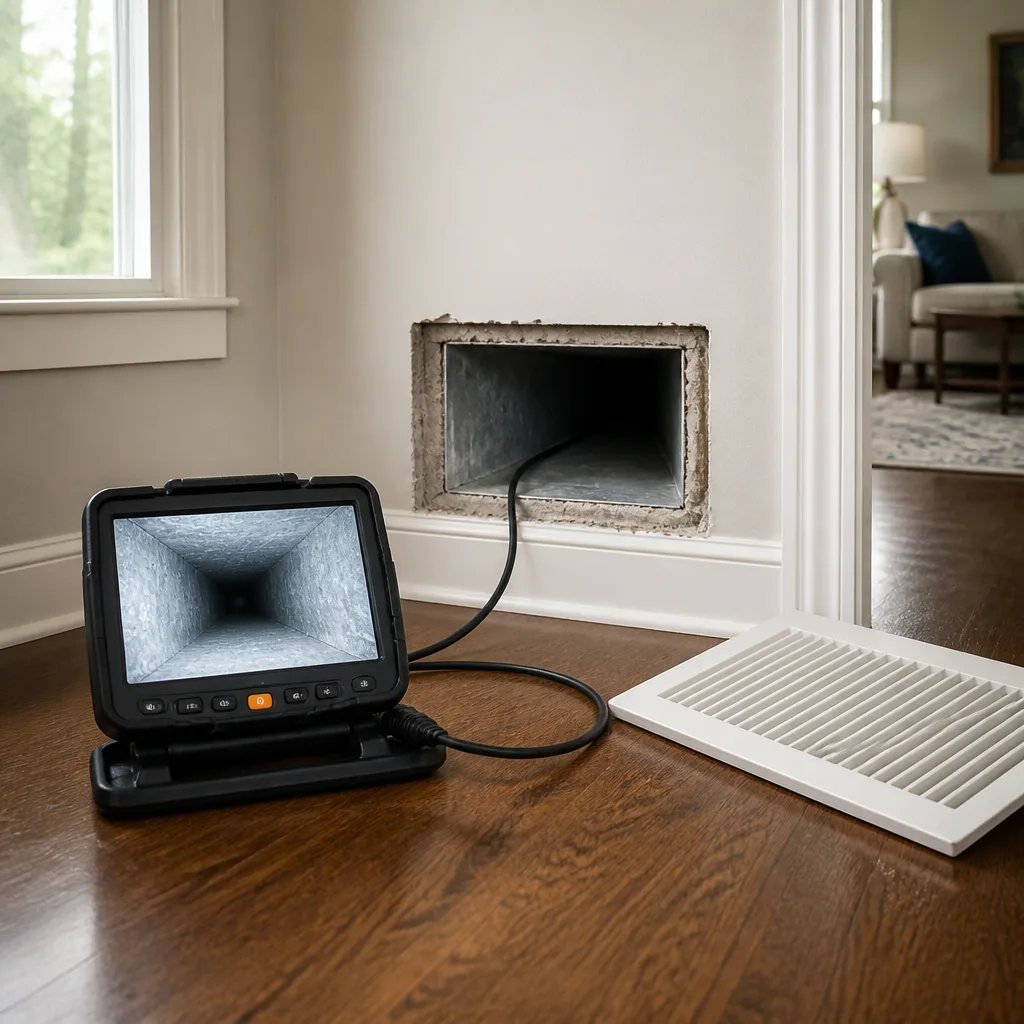 Camera inspection
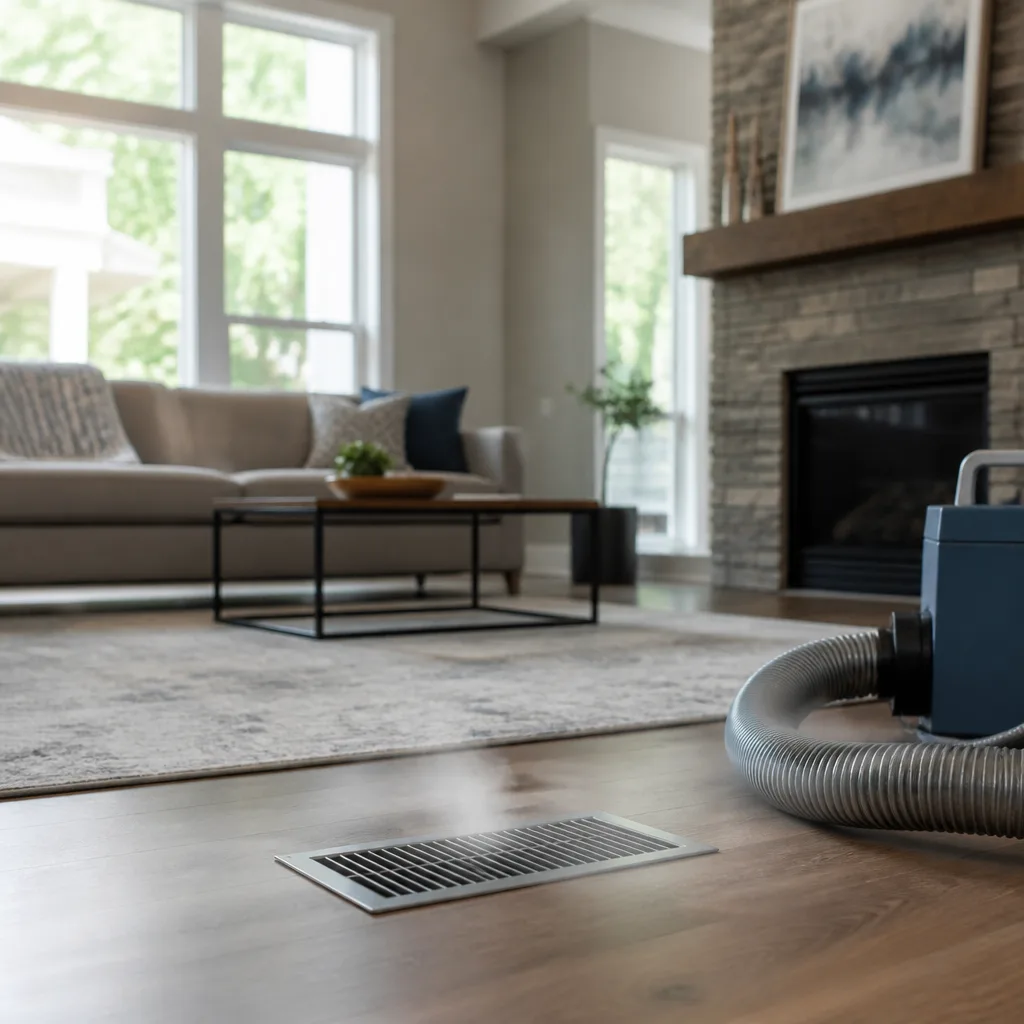 Sanitizing & deodorizing
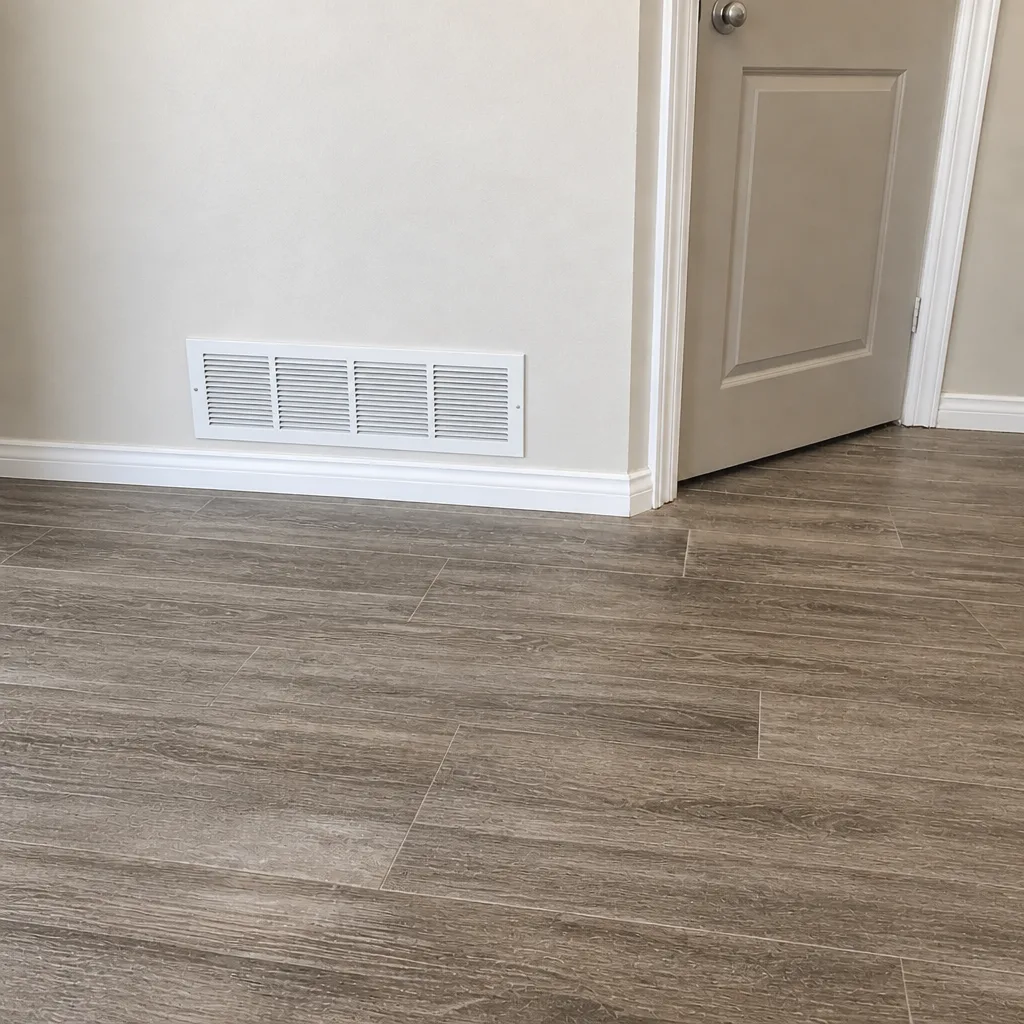
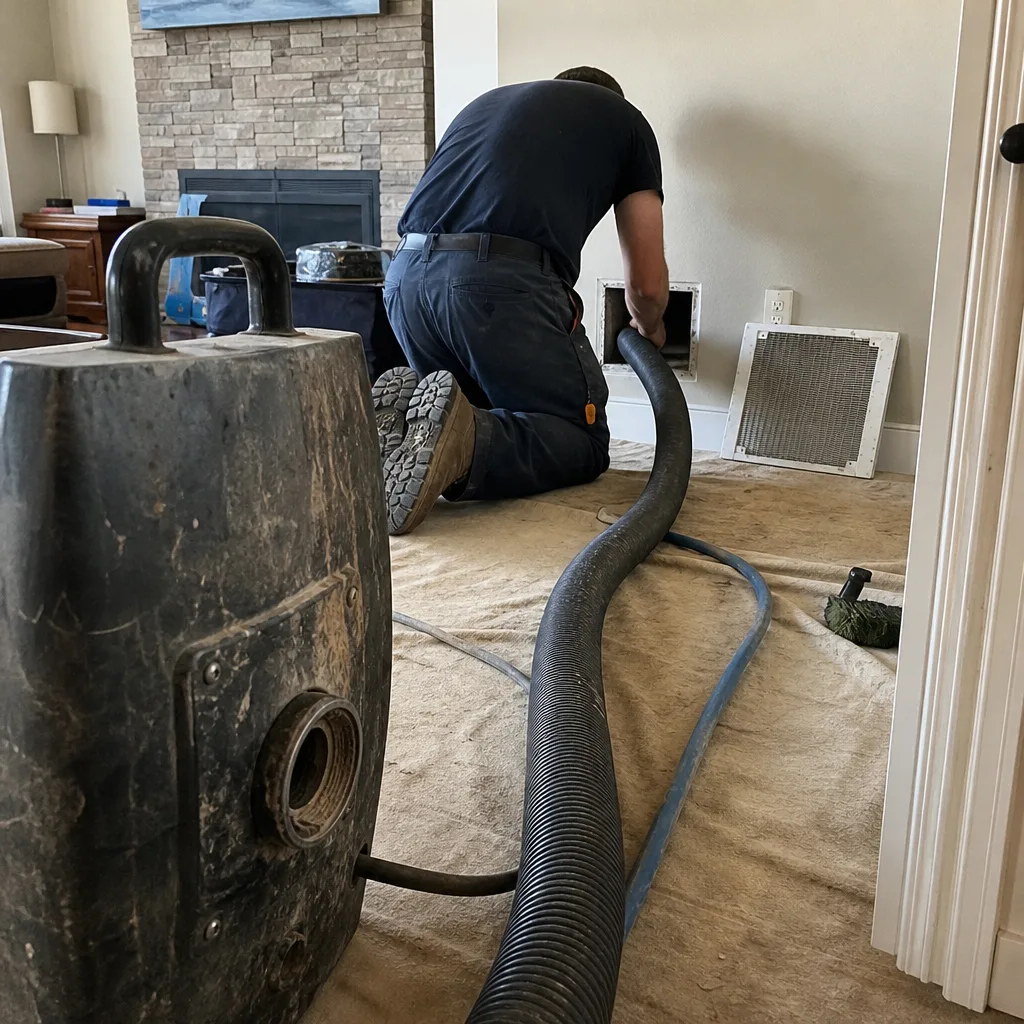
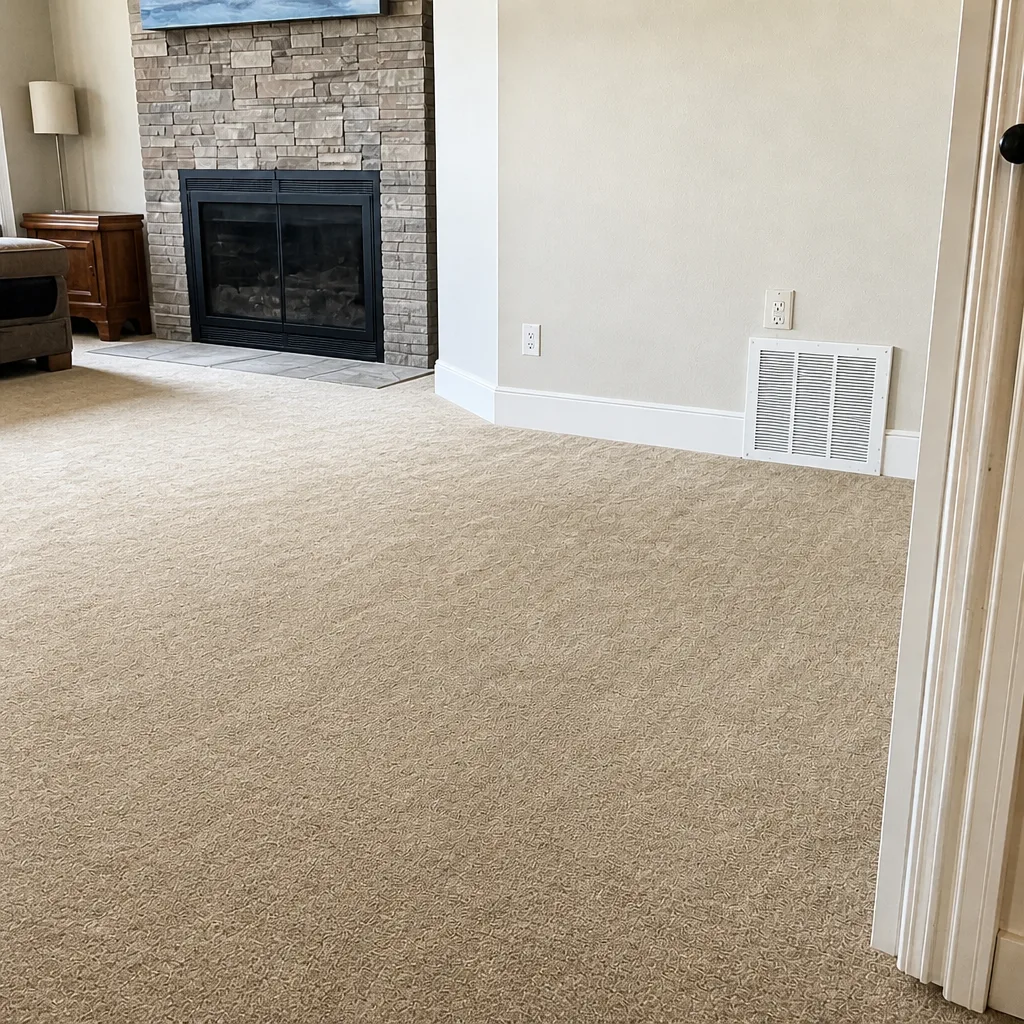
Whole-system duct and dryer vent check with before-and-after photos - you see exactly what came out of your vents
That "$99 whole-house special" is a bait ad - the real number appears once they are in your hallway, or the "clean" is a shop-vac at the register. We photograph the inside of your ducts before and after instead.
Air Duct Cleaning Emergency Preparedness Guide for Cottonwood Heights Homes
Most homeowners think of ductwork as a closed loop, sealed off from the outside world. That belief falls apart during a wildfire season, a burst supply line, or a tremor that shifts a plenum joint. After the heavy wildfire years of 2020, air quality researchers found fine smoke particulate settling inside duct systems of homes that had kept every window shut, pulled in through return air and deposited where nobody looks. The event you sealed out still found a way in. This guide covers how to assess and respond to duct contamination after wildfire smoke, flooding, and seismic activity in Cottonwood Heights, what to document for insurance, and when a professional cleaning is genuinely necessary versus when better filtration is enough.
Quick Answer
After a wildfire smoke event, flooding, or earthquake in Cottonwood Heights, inspect your filters and accessible duct joints first: discolored or soot-smelling filters and loose flex duct connections point to contamination that needs professional attention. Smoke and dust often call for increased filtration and a professional air duct cleaning, while any water that entered the ductwork needs drying and assessment within 72 hours to prevent mold growth. When in doubt, document everything and get a written assessment before any work begins.
Styles & brands we work with
- Whole-home duct cleaning
- Dryer vent cleaning
- Camera inspection
- Sanitizing & deodorizing
Table of Contents
- After Wildfire Smoke: How to Tell If Particulate Reached Your Ducts
- After Flooding: The 72-Hour Window for Ductwork
- After an Earthquake: Inspecting Duct Connections and Plenums
- When to Call an Industrial Hygienist Before Cleaning
- What to Document for Insurance Before Any Duct Work
- Increased Filtration vs. Professional Cleaning: Which Do You Need?
- Dryer Vents and Emergency Preparedness
- Building a Duct Emergency Kit Before Anything Happens
After Wildfire Smoke: How to Tell If Particulate Reached Your Ducts
Wildfire smoke doesn’t respect closed windows. Fine particulate moves through the return air side of your HVAC system every time the fan runs, and it settles on duct walls, turning vanes, and the interior of the air handler. In Cottonwood Heights, where the valley sits against the Wasatch foothills and summer smoke from regional fires often lingers for days, this is a recurring scenario rather than a one-off. The question is not whether some particulate entered, but whether enough accumulated to matter.
Filter evidence is your first and clearest signal. Pull the filter and look for a gray-brown staining that goes deeper than surface dust, or a faint campfire smell when you hold it close. Check the filter slot itself and the return grille for soot film. If a filter that was clean two weeks ago looks heavily soiled after a smoke event, particulate was circulating.
Here’s how to assess your system after a smoke event:
- Replace the filter and note the color and smell of the old one. Photograph both sides before you discard it.
- Wipe the inside of a return grille with a white paper towel. A light brown tint is normal dust; a dark, oily gray film suggests smoke deposition.
- Run the fan for a few minutes, then smell the air coming from a supply register. A persistent smoky or acrid odor points to contamination in the ducts or air handler.
- Check for visible soot or film on the blower compartment and the evaporator coil if accessible.
- Note whether anyone in the home reports worsened allergy or asthma symptoms during the days after the event.
If the evidence is limited to a single dirty filter and no smell or film, a higher-MERV filter and a few days of fan circulation may be sufficient. If you see soot film, smell smoke on the supply side, or the home has anyone with respiratory sensitivity, professional cleaning is the right call. Our technicians use Rotobrush and Nikro negative-pressure equipment to pull accumulated particulate out of the system rather than pushing it around, and we can assess whether Honeywell or Aprilaire filtration upgrades make sense for the next smoke season.
After Flooding: The 72-Hour Window for Ductwork
When water reaches ductwork, mold becomes the primary concern, and the clock starts immediately. Porous duct liner, flex duct, and the insulation around rigid duct absorb moisture and hold it. Within roughly 72 hours in a humid, closed cavity, mold colonization can begin. Cottonwood Heights sees fewer flood events than the low valley, but a burst supply line, a failed water heater, or a spring snowmelt intrusion into a crawl space can put water where it shouldn’t be just as easily.
Here’s the response sequence:
- Turn the HVAC system off at the thermostat and, if you can do so safely, at the breaker. Running the fan moves moist air and spores through the entire system.
- Stop the water source and begin extraction and drying of the surrounding building materials with fans and dehumidifiers.
- Do not run the system until the ducts and air handler are confirmed dry by moisture readings, not by touch alone.
- If duct liner, flex duct, or fibrous insulation got wet, that material generally cannot be reliably dried in place and is usually removed and replaced.
- Have the system professionally assessed and, if needed, cleaned and sanitized before you turn it back on.
Professional remediation for a water-contacted duct system involves confirming the extent of moisture, removing saturated porous material, mechanically cleaning what remains, and applying a sanitizing treatment to surfaces that held moisture. We apply Guardsman-grade sanitizing treatments for microbial and odor control, and our Abatement Technologies equipment supports contaminant control at a remediation level rather than routine dust removal. If a wall cavity or crawl space held water around duct runs, our duct repair and sealing work can address gaps and disconnected segments that let moisture-laden air back into the living space.
After an Earthquake: Inspecting Duct Connections and Plenums
Duct systems are not rigid. Flexible connections, plenum joints, and hanger straps are designed to absorb some movement, but a significant seismic event can stretch a joint past its tolerance. A disconnected duct segment in a wall cavity or crawl space is easy to miss because the system still runs. What you notice instead is uneven airflow, a room that never seems to condition properly, or dust collecting on surfaces faster than usual.
Here’s what to check from accessible inspection points after seismic activity:
- Look at the plenum where it meets the air handler. A visible gap, a slipped collar, or torn mastic is a sign of movement.
- Check flexible duct runs in the attic and crawl space for sections that have come loose from their collars or sagged off supports.
- Look for duct tape that has separated at joints, which often indicates a joint opened and closed.
- Confirm every supply register still has strong, even airflow; a single weak register often points to a disconnect upstream.
- Check hanger straps for slack or bends that weren’t there before.
What a disconnected segment looks like from an accessible point varies. In a crawl space, you’ll often see flex duct sagging with a visible gap at the collar. In a wall cavity you usually can’t see it directly, but a disconnected run produces a distinctive symptom: the room loses airflow, and dust or cold attic air arrives from a supply register. Our Cottonwood Heights Air Duct Cleaning service team inspects duct connections as part of a full-system assessment and repairs what we find before cleaning, since a sealed system is what actually delivers clean air. Repairing and sealing is the natural extension of cleaning, not an add-on.
When to Call an Industrial Hygienist Before Cleaning
Not every contaminated duct system should be cleaned by a duct cleaning company first. Some contamination types require a third-party assessment before anyone puts equipment in the system, because the act of cleaning can spread material that shouldn’t be disturbed. An industrial hygienist is the right person to make that call when the risk is not dust or smoke but something more serious.
Specific situations where you should involve an industrial hygienist before any duct cleaning:
- Suspected asbestos in older duct insulation. Some older duct systems used insulation materials that may contain asbestos. Disturbing it without testing is a genuine health risk and typically requires licensed abatement, not cleaning.
- Sewage backup into or around ductwork. Sewage carries biological contamination that requires assessment and specialized remediation protocols.
- Chemical spills or fumes. A spill involving solvents, fuels, or other chemicals can leave residue that ordinary cleaning won’t reliably remove.
- Persistent mold with an unknown source. If mold keeps returning after cleaning, the cause may be a moisture problem the hygienist should trace before the ducts are cleaned again.
In these cases, an assessment comes first, and cleaning follows only if it’s the appropriate step. We won’t start work on a system where a third-party evaluation is the correct next move, and we’ll tell you plainly when that’s the case. That’s part of what we owe any Cottonwood Heights homeowner who trusts us with the inside of their home.
What to Document for Insurance Before Any Duct Work
Insurance claims for duct contamination after a disaster go smoothly when the evidence is captured before anyone touches the system. Once a duct cleaner has been through, the original condition is gone, and what an adjuster can verify afterward is limited. Document first, clean second.
What to capture before any post-disaster duct work begins:
- Photographs of the filter before replacement, both sides, in good light, with the date visible.
- Photos of any visible soot, water staining, mold, or disconnected duct segments from accessible points.
- A written description of the event, date, and what you observed, in your own words.
- Any air quality readings or documentation an industrial hygienist provides, if one was involved.
- A written contractor assessment, which we can provide, describing the condition found and the recommended scope.
- Receipts and invoices from any emergency drying, extraction, or mitigation work already done.
Keep all of this together in one folder, physical or digital. If your insurer asks for a professional opinion on whether cleaning is warranted, a written assessment is exactly what they need. We provide that as part of our free estimate in Cottonwood Heights, and we’ll tell you what we see rather than what makes the biggest job.
Increased Filtration vs. Professional Cleaning: Which Do You Need?
Cleaning is not the answer to every contamination concern. Some events call for better filtration rather than a full duct cleaning, and knowing which is which saves money and avoids unnecessary work. Here’s a simple way to think about it:
- Choose increased filtration when smoke or dust entered the home but the filter evidence is limited, there’s no smoke smell on the supply side, and no one in the home has respiratory concerns. A higher-MERV filter and a few days of fan circulation is often enough.
- Choose professional cleaning when filter evidence is heavy, a smoky odor persists on the supply side, visible film is present in the ducts or air handler, or the system has never been cleaned and shows significant accumulation.
- Choose cleaning plus repair when airflow is uneven, a duct segment is disconnected, or a room isn’t conditioning properly after a seismic event.
- Choose cleaning plus sanitizing when water contacted the system, or persistent odors suggest microbial growth.
Filtration upgrades and cleaning aren’t mutually exclusive. Honeywell and Aprilaire filtration equipment can be assessed and paired with a professional cleaning so the system starts clean and then stays cleaner. That’s the order that matters: clean ducts first, then a filter that can keep up. We repair what we find along the way, because a system with gaps and disconnected joints will reintroduce contamination no matter how well it was cleaned.
Dryer Vents and Emergency Preparedness
A clogged dryer vent isn’t a duct-cleaning footnote. It’s a fire risk, and it’s one of the few duct system problems that can cause immediate danger rather than gradual air quality decline. In a preparedness context, your dryer vent belongs on the same checklist as smoke detectors and escape routes. Dryer vent cleaning is a core service for us, not an afterthought, because lint accumulation in the vent run is a known contributor to house fires.
After a wildfire event, smoke doesn’t typically enter a dryer vent, but lint and debris can still build up, and the vent is worth inspecting alongside the rest of the system. After water intrusion, a dryer vent that took on moisture should be checked for mold and blockages. After a seismic event, the vent connection at the dryer and at the exterior wall should both be checked for separation, since a disconnected vent is a fire and moisture risk in one.
What to look for: lint visible around the outside vent flap, a dryer that takes two cycles to dry a load, a hot dryer cabinet, or a vent run that visibly sags or is crushed behind the appliance. If you see any of these, the vent needs professional attention. We treat it as a safety item because it is one.
Building a Duct Emergency Kit Before Anything Happens
Preparedness works better before the event than after. Putting a few things together now means you can respond calmly instead of guessing. This is the kit we’d suggest for any Cottonwood Heights home:
- A spare filter in the correct size for your system, plus a note of the size taped inside the air handler door.
- A small notebook and pen for documenting conditions before and after.
- A flashlight for inspecting crawl spaces, attics, and plenum areas.
- A white paper towel or two for the return-grille wipe test.
- A copy of your homeowner’s insurance policy and your insurer’s claim phone number in a waterproof bag.
- A printed list of the duct cleaning and HVAC companies you’d call, with phone numbers, including ours.
The same preparation applies to your broader system. Knowing the location of your air handler, the size of your filter, and where your return grilles are means you can act in the first hours after an event instead of spending time trying to find them. If you aren’t sure where your accessible duct runs are, a professional HVAC cleaning assessment can map the system and flag weak points before you need them.
Common Mistakes to Avoid
- Running the HVAC system during or immediately after a water event. Turning on the fan moves moisture and spores through every duct. Turn the system off first and dry the building materials before running air again.
- Assuming closed windows kept smoke out. Smoke particulate enters through the return air side whenever the fan runs. Filter evidence and supply-air smell tell the real story, not whether the windows were shut.
- Skipping documentation before cleaning. Once the cleaning is done, the original condition is gone. Photograph the filter and any visible damage first if you plan to file a claim.
- Calling a duct cleaner before an industrial hygienist when the risk is serious. Asbestos, sewage, and chemical contamination need third-party assessment first. Cleaning the wrong material can spread it.
- Cleaning without repairing disconnected joints. A system with gaps will reintroduce contamination into the living space. Repair and sealing are part of the job, not a separate one to skip.
- Treating the dryer vent as a convenience item. A clogged or disconnected dryer vent is a fire risk. Inspect it alongside the rest of the system after any major event.
- Assuming better filtration solves everything. A high-MERV filter helps, but it can’t remove particulate that’s already settled in the ducts. Clean first, then filter.
See the difference
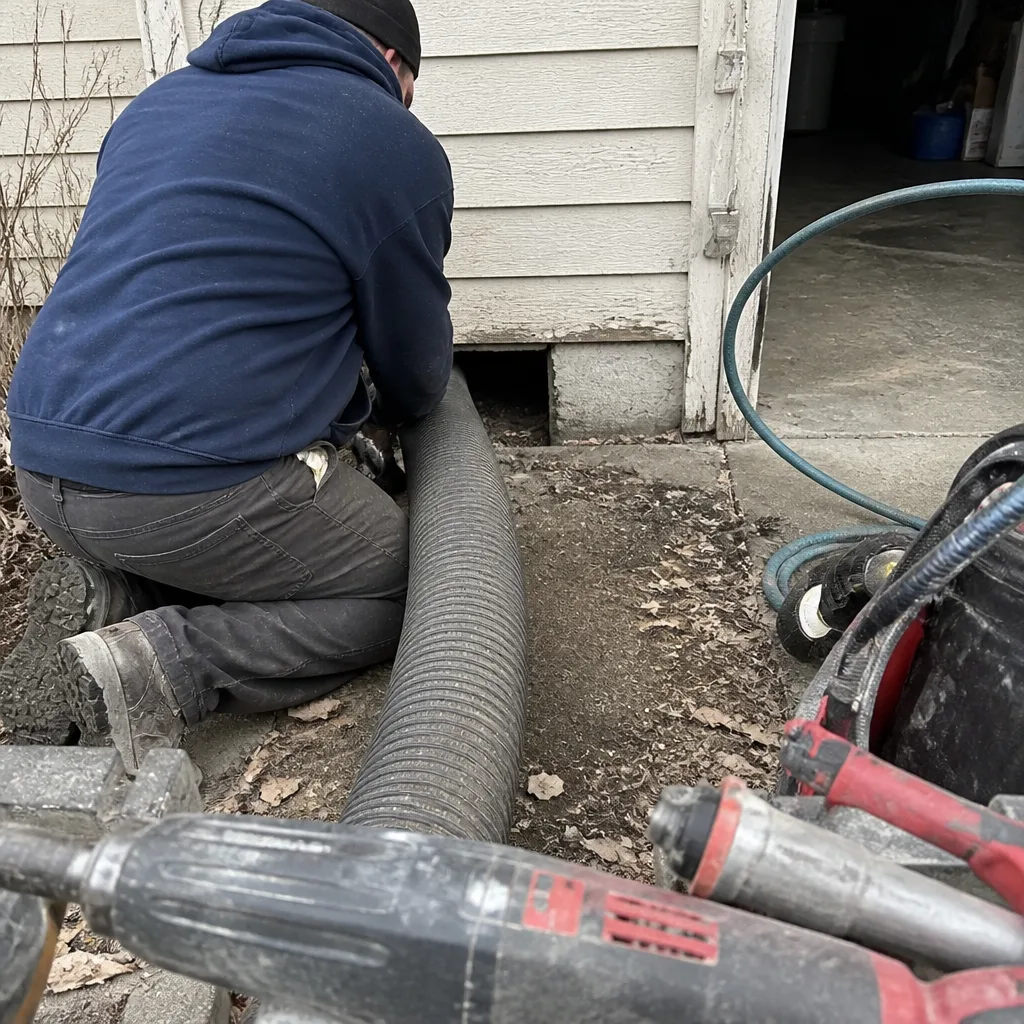 Before
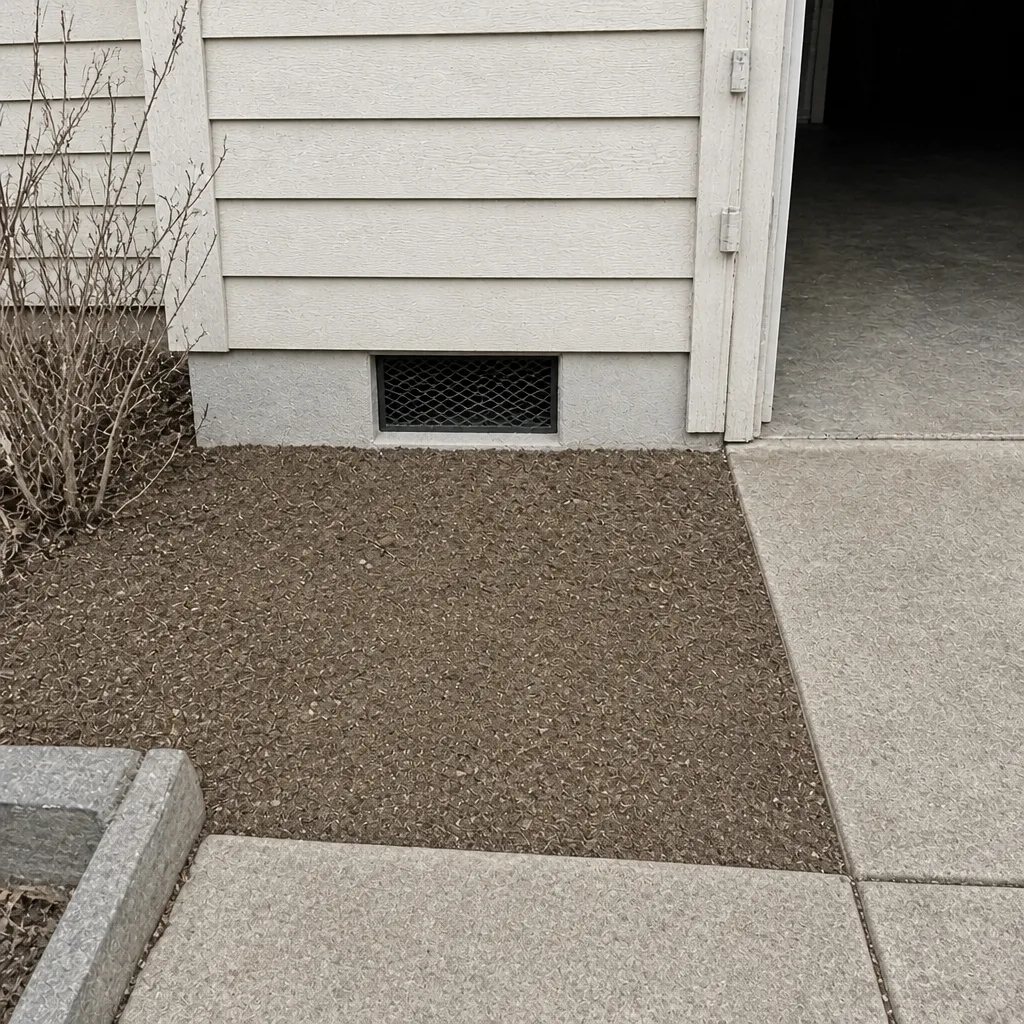 After
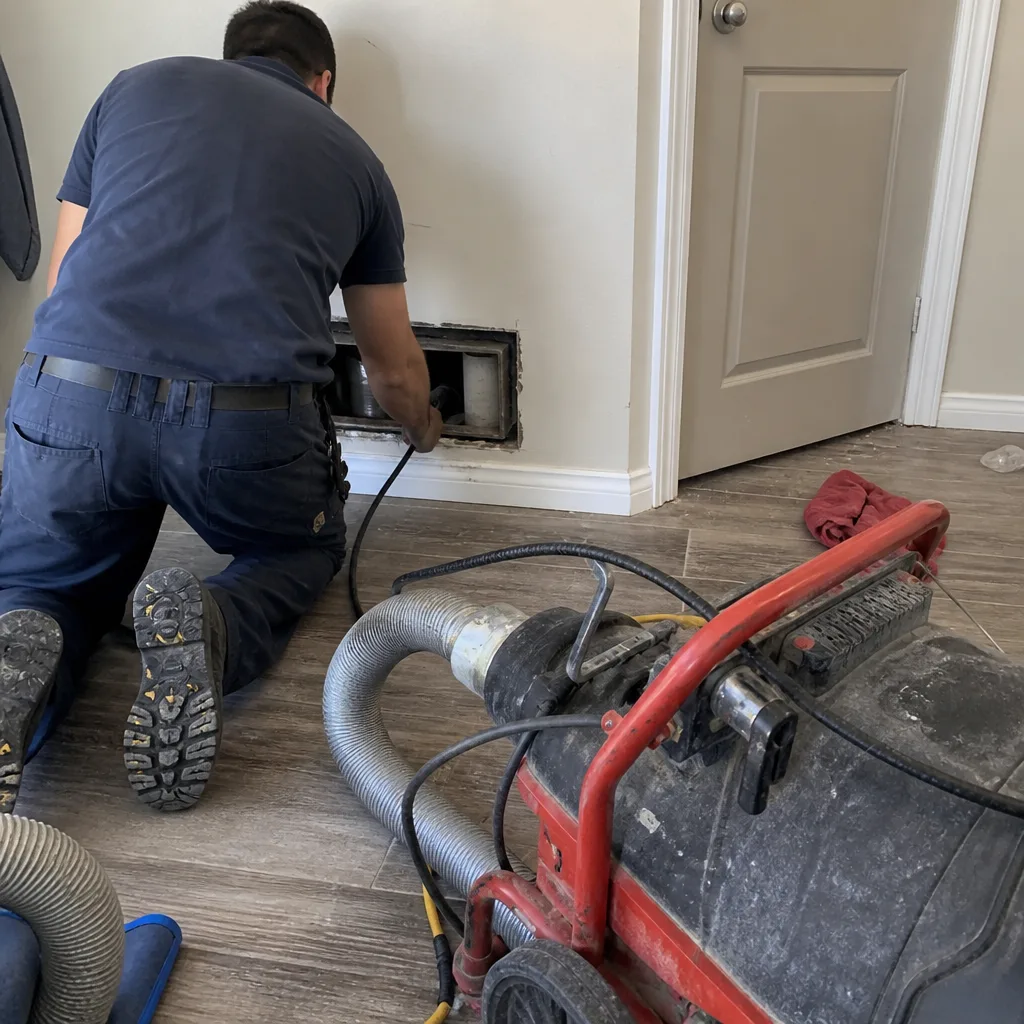 Before
 After
 Before
 After
When to Call a Professional
Call us when filter evidence points to real contamination, when smoke odor persists on the supply side, when water contacted the duct system, when airflow went uneven after a seismic event, or when you can’t tell from inspection whether the problem is worth cleaning. Our technicians have up to 13 years of experience assessing exactly these situations, and we’ll give you a written scope before any work begins. We use professional-grade Rotobrush and Nikro negative-pressure cleaning systems and Abatement Technologies equipment, and we can recommend and install Honeywell and Aprilaire filtration to keep the system cleaner after the fact. Cottonwood Heights Air Duct Cleaning offers free estimates in Cottonwood Heights. Call (866) 937-8903. We answer 24/7. Fast dispatch from 7am to 7pm, Sunday through Friday.
Frequently Asked Questions
Yes. Smoke particulate enters through the return air side of the HVAC system whenever the fan runs, then settles on duct walls and the air handler. The strongest signs are heavy filter staining, a smoky smell at supply registers, and visible film in the return grille.
Within 72 hours if water contacted the duct system, because mold can begin to colonize in porous duct material in that window. Turn the HVAC off, dry the surrounding building materials, and get a professional assessment before running the system again.
A disconnected duct usually shows up as a single room with weak airflow, dust collecting faster than usual, or attic air arriving from a supply register. Check plenum joints and flex duct collars in accessible crawl spaces and attics, and call for inspection if anything looks loose or gaps are visible.
Yes, if you suspect asbestos in older duct insulation, sewage backup, or a chemical spill. Those contamination types require third-party assessment before cleaning because disturbing them can spread the risk. For routine dust, smoke, or mold related to a known moisture event, a duct cleaning assessment is the right first step.
Photograph the filter before replacing it, both sides, along with any visible soot, water staining, mold, or disconnected duct segments. Keep a written description of the event and any contractor assessment together, and don’t start cleaning until the documentation is captured.
Cleaning removes particulate that has already settled in the ducts and air handler, while a higher-MERV filter prevents new particulate from accumulating. If contamination is heavy or there’s water or persistent odor, cleaning comes first; then better filtration keeps the system cleaner. Call us and we’ll tell you which you need rather than what makes the bigger job.
The Bottom Line
Emergency preparedness for your duct system comes down to a handful of steps: capture evidence before you clean, inspect filters and accessible joints after any event, respond within 72 hours when water is involved, and know when a third-party assessment comes before professional cleaning. Smoke particulate from wildfire seasons, water from a burst line, and movement from a seismic event each call for a slightly different response, and the systems we inspect in Cottonwood Heights rarely need more than the right step in the right order. Our technicians have up to 13 years of experience with these assessments, and we’ll tell you what the system needs and what it doesn’t. Call Cottonwood Heights Air Duct Cleaning at (866) 937-8903 for a free estimate. We answer 24/7. Fast dispatch from 7am to 7pm, Sunday through Friday.
Written by the team at Cottonwood Heights Air Duct Cleaning.