
Last updated November 24, 2026
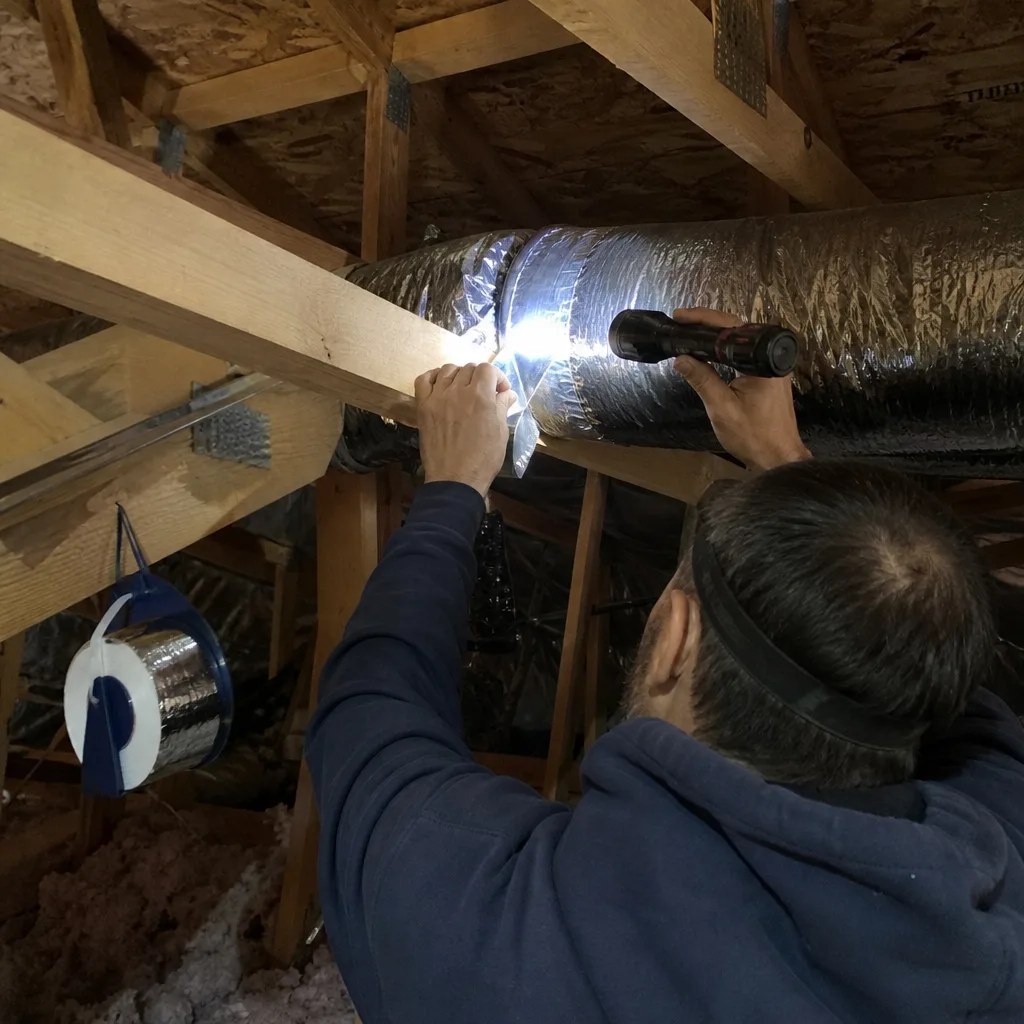
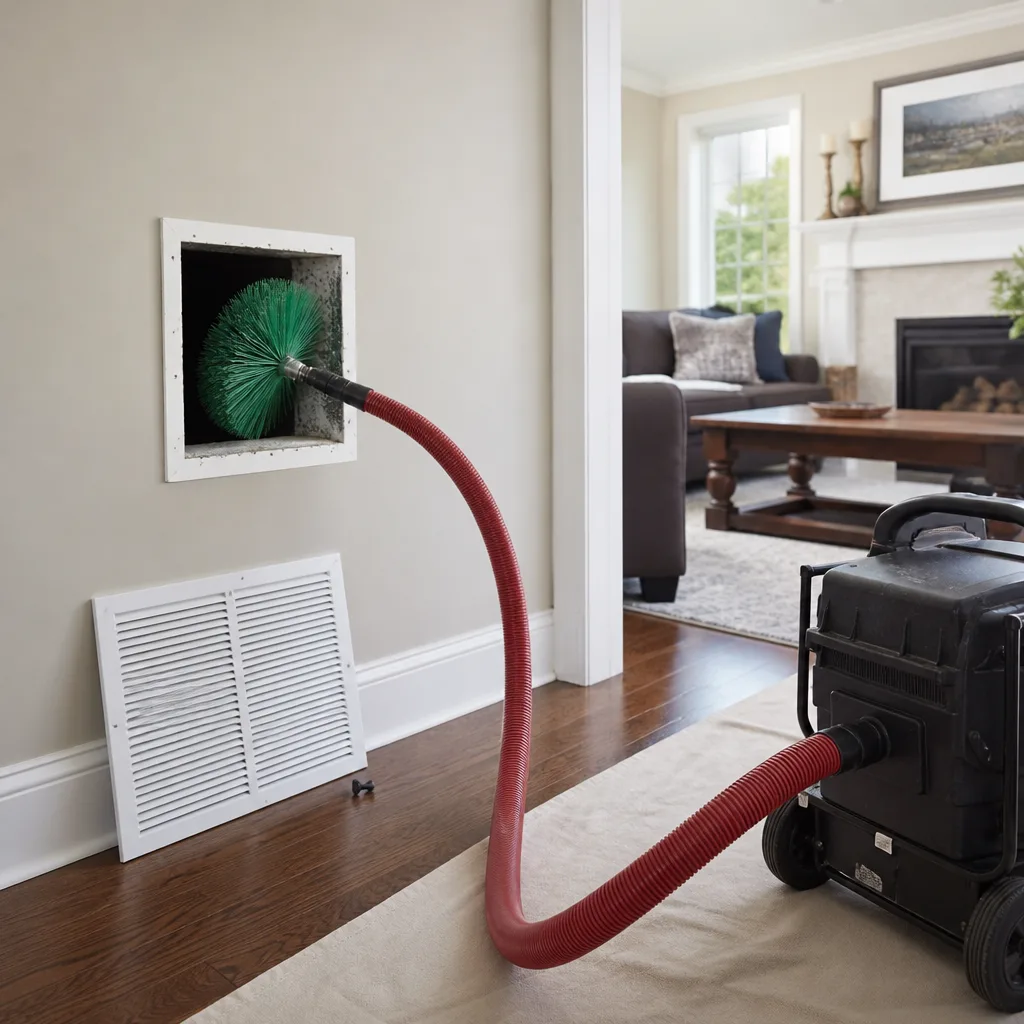 Whole-home duct cleaning
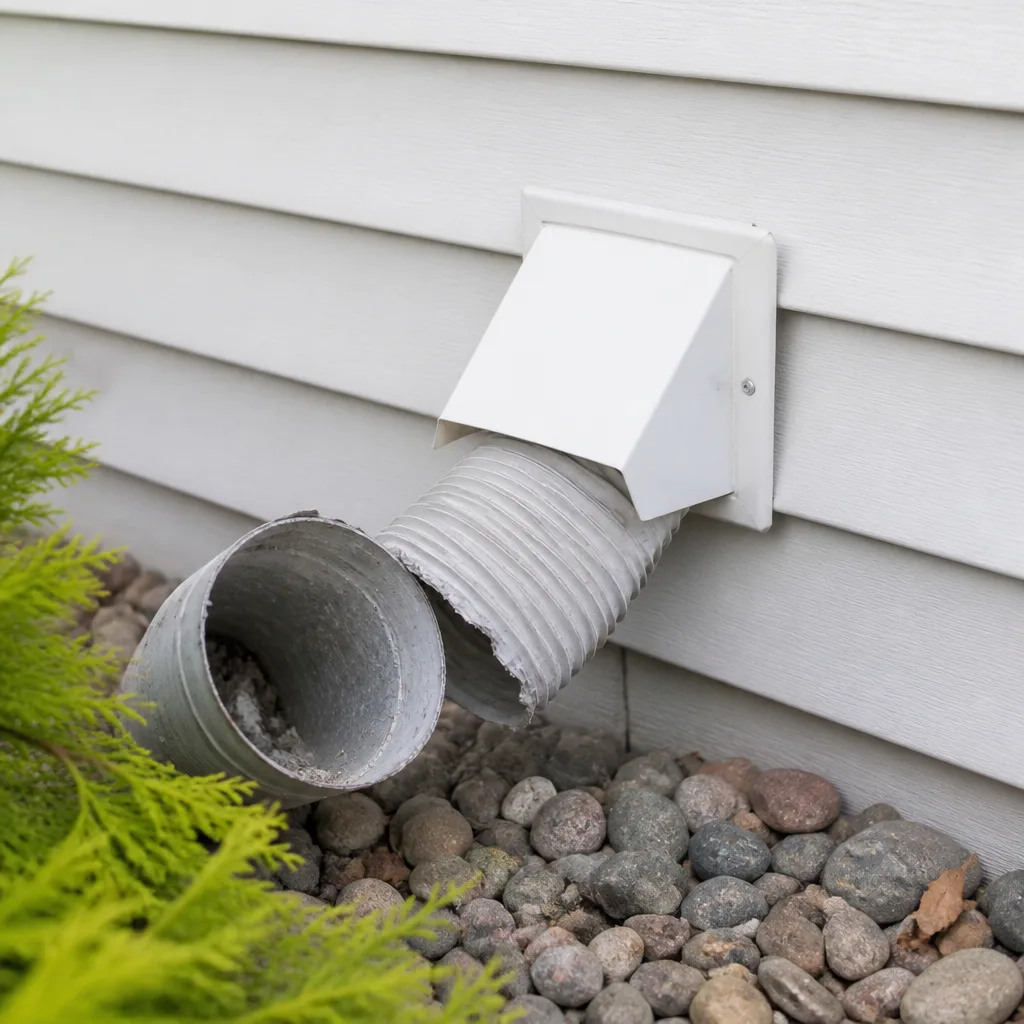 Dryer vent cleaning
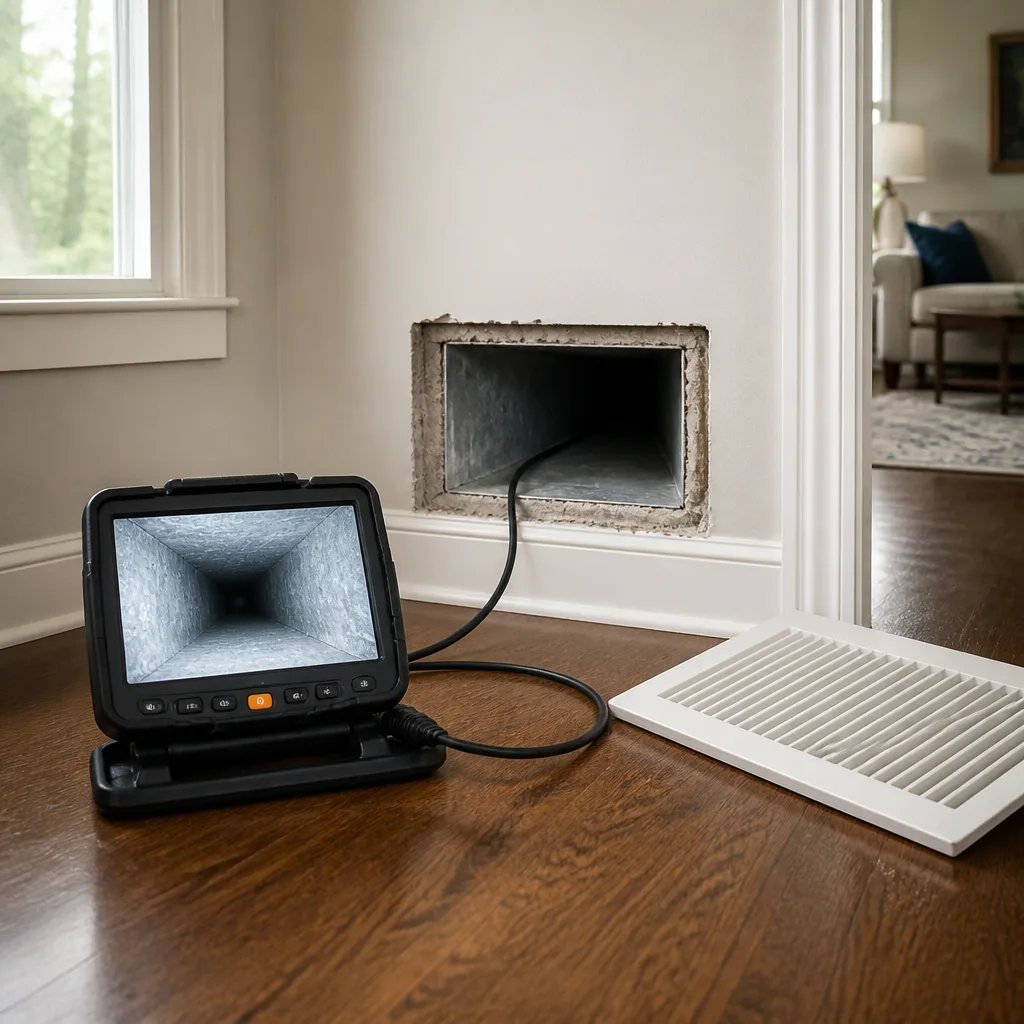 Camera inspection
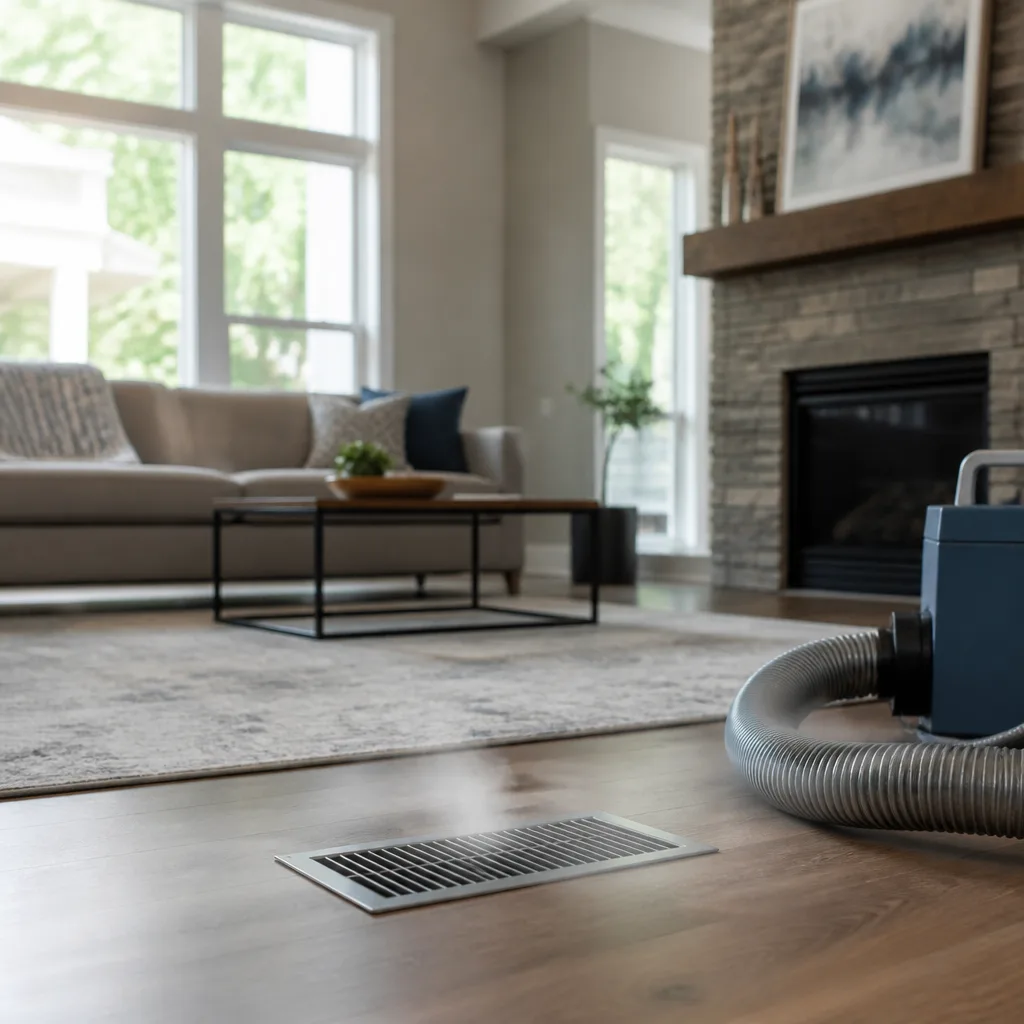 Sanitizing & deodorizing
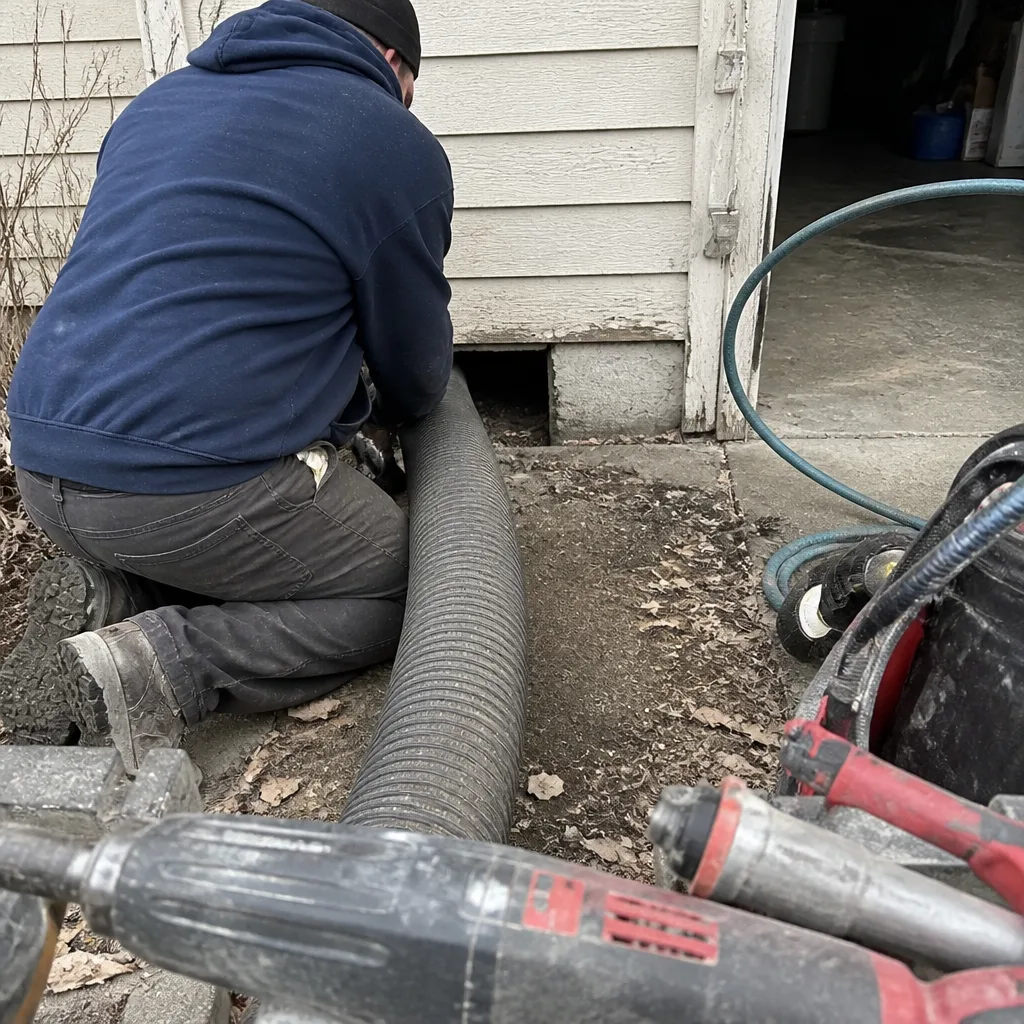
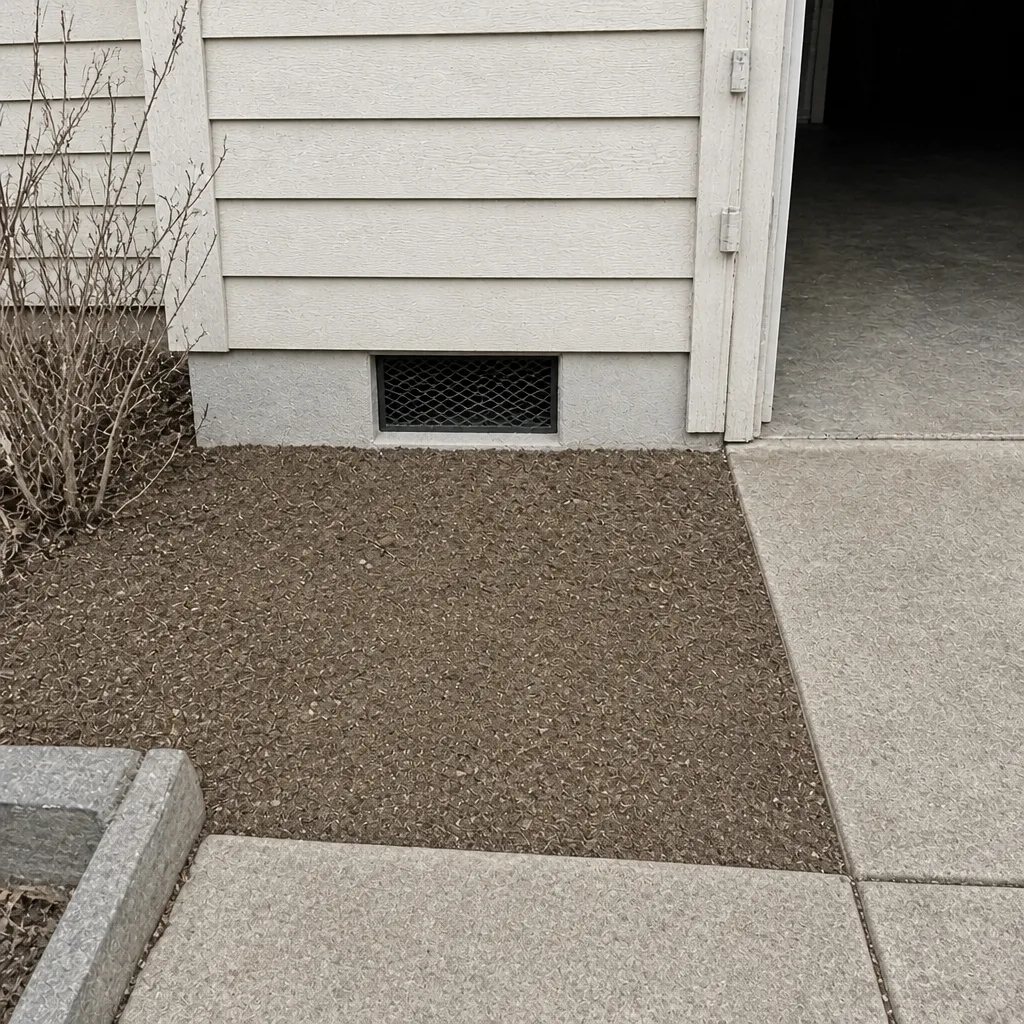
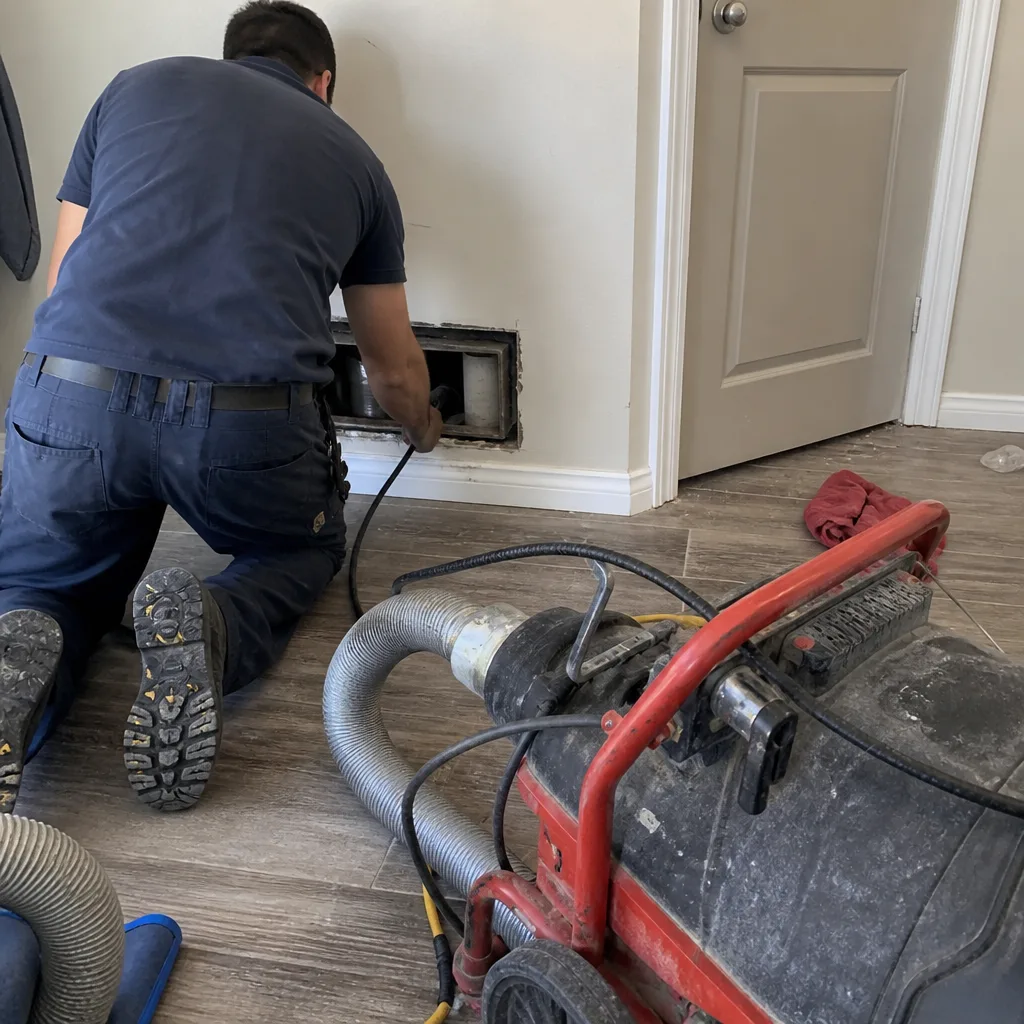
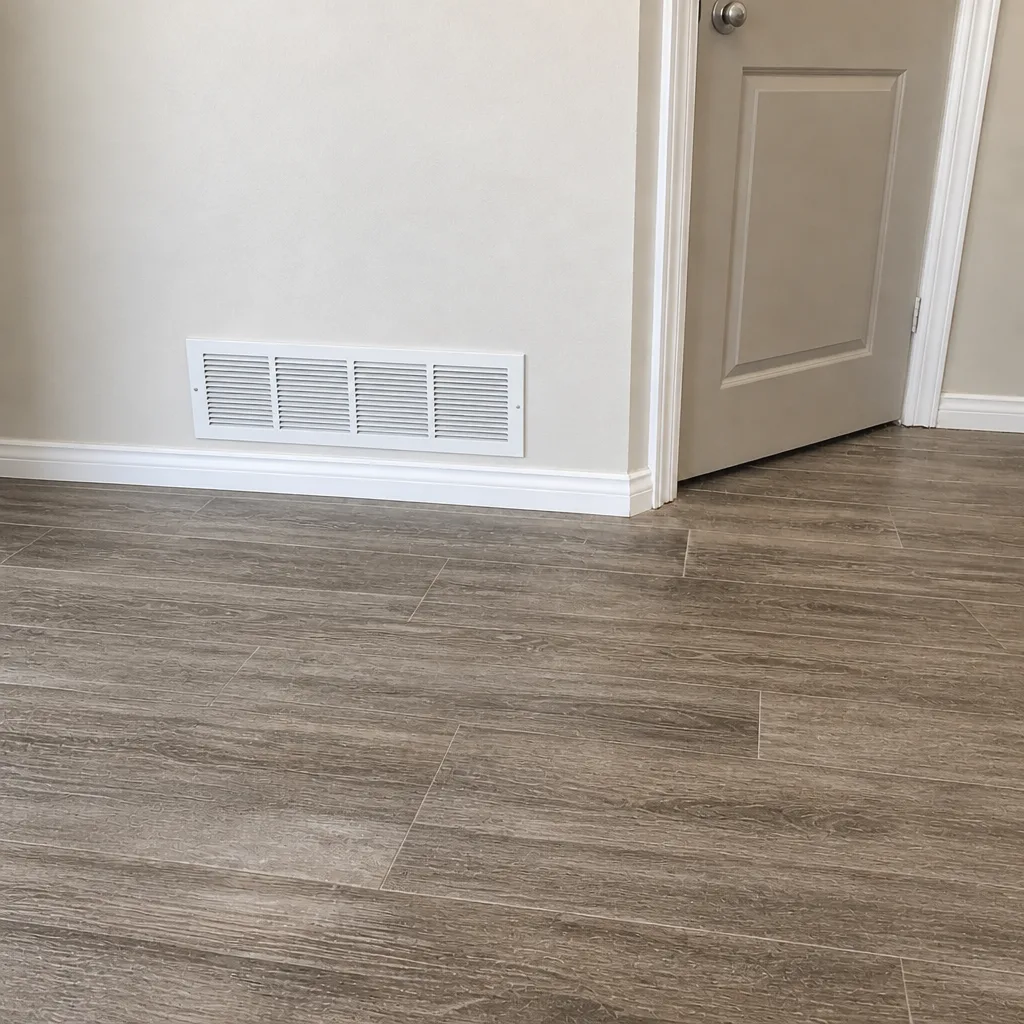
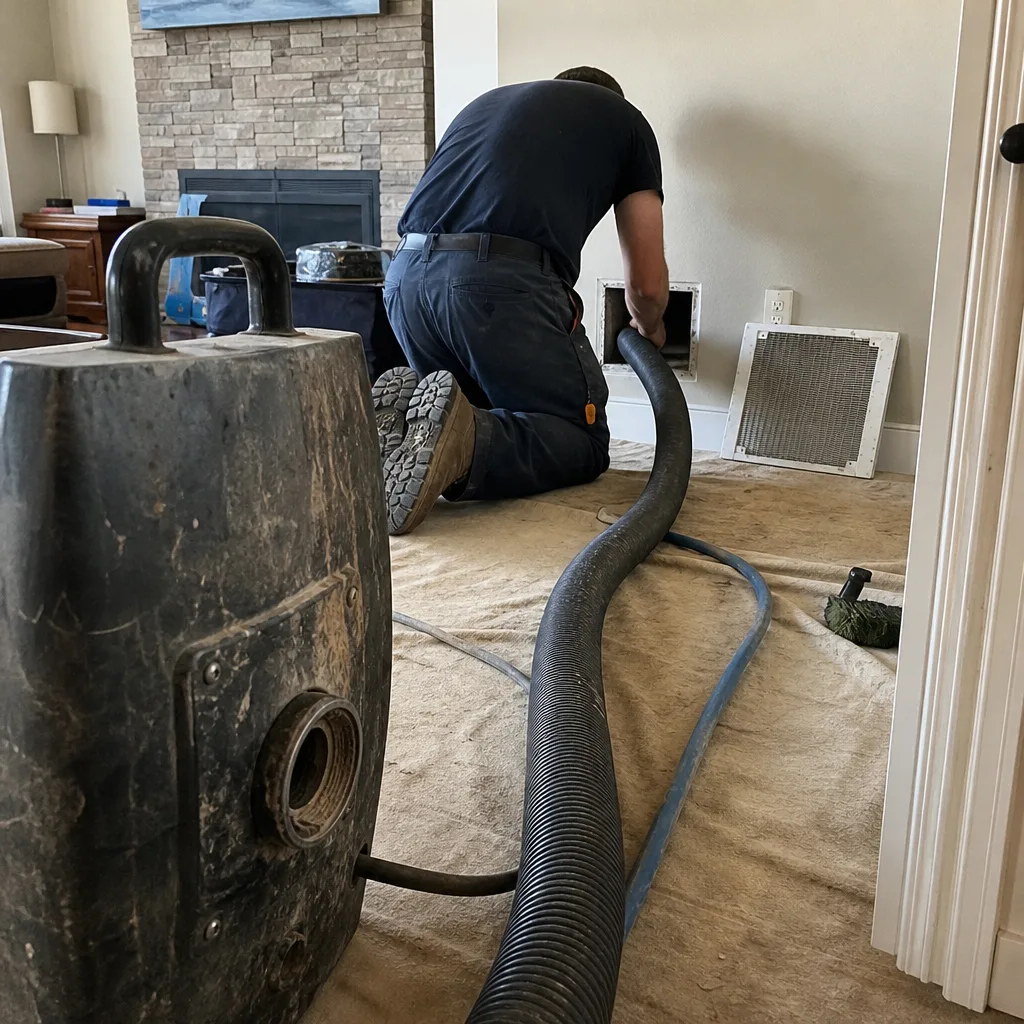
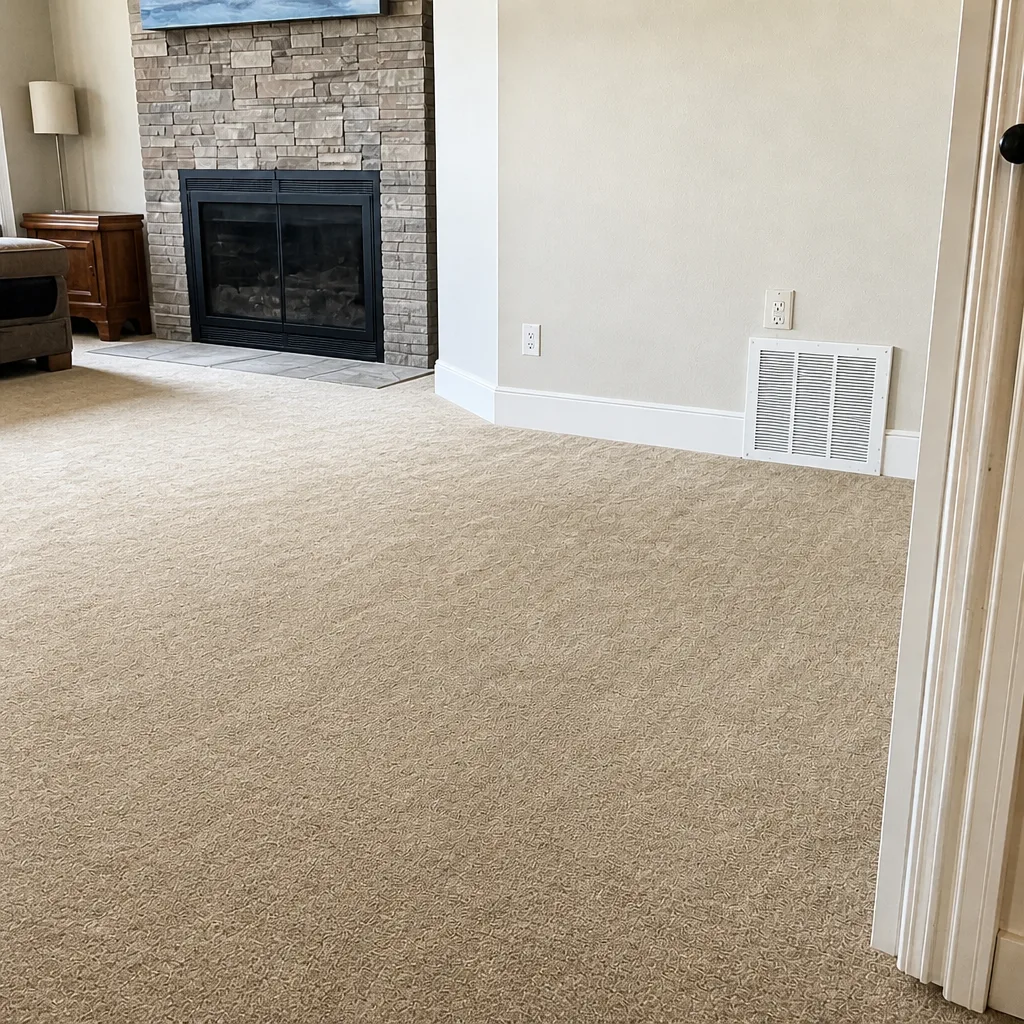
Whole-system duct and dryer vent check with before-and-after photos - you see exactly what came out of your vents
That "$99 whole-house special" is a bait ad - the real number appears once they are in your hallway, or the "clean" is a shop-vac at the register. We photograph the inside of your ducts before and after instead.
Air Duct Cleaning Permits, Codes & Inspections in Cottonwood Heights, UT: What You Need to Know
Here’s the part most homeowners never hear: routine duct cleaning needs no permit in Utah, but the moment a contractor reattaches a disconnected duct run in your crawl space and calls it “repair,” that job can cross into permitted mechanical work. Cottonwood Heights sits under Salt Lake County building jurisdiction, and the line between cleaning and modification is where resale problems get born. A buyer’s inspector finds unpermitted ductwork, the closing stalls, and the seller learns the hard way that nobody pulled a permit. This guide walks you through Utah’s mechanical code, what Salt Lake County actually requires, how sealing differs from section replacement, and how mold in ductwork intersects with state environmental guidelines. We’ll also show you the questions to ask before anyone touches your system.
Quick Answer
Cleaning the inside of your ductwork does not require a permit in Cottonwood Heights or anywhere else in Utah. Repairing, replacing, or substantially modifying duct sections typically does fall under Utah Residential Code Section M and requires a mechanical permit pulled through the Salt Lake County building department. Sealing ducts with mastic or approved metal tape generally needs no permit, but replacing a duct section, adding new runs, or reconnecting a severed trunk usually does. When mold is present in the system, cleanup and clearance testing follow Utah Department of Environmental Quality guidance rather than the building code.
Styles & brands we work with
- Whole-home duct cleaning
- Dryer vent cleaning
- Camera inspection
- Sanitizing & deodorizing
Table of Contents
- What Does Utah’s Mechanical Code Actually Say About Ducts?
- Who Has Jurisdiction in Cottonwood Heights?
- Cleaning vs. Repair: Where Is the Permit Line?
- Duct Sealing With Mastic vs. Duct Section Replacement
- What to Ask a Contractor About Permits
- Mold in Ductwork and Utah DEQ Guidelines
- What a Duct Inspection Actually Covers
- Unpermitted Work and Resale in Cottonwood Heights
What Does Utah’s Mechanical Code Actually Say About Ducts?
Utah Residential Code Section M is the mechanical chapter, and it governs how ducts are sized, supported, connected, sealed, and routed through a home. When a technician installs a new duct run, replaces a collapsed section, or changes the configuration of a trunk line, that work falls under Section M. Routine cleaning and maintenance do not. The code is written to govern installation and alteration, not housekeeping.
The practical effect is this: if the work changes the physical duct system in any permanent way, Section M applies, and that means the job is subject to inspection. If the work only removes accumulated dust, debris, and contaminants from inside the existing system, the code stays out of it.
Three things in Section M come up most often for Cottonwood Heights homeowners:
- Support and connection requirements. Duct runs must be supported at code intervals and connected with approved joints. A duct that has sagged and separated in a crawl space is a code concern, not just a comfort problem.
- Sealing requirements at joints. Section M requires joints, seams, and connections to be sealed. This is why an unsealed duct reconnection in a crawl space is treated as incomplete work, not finished work.
- Sizing and airflow. Any change to duct sizing that affects static pressure or airflow falls under the code, and the county will look at whether the alteration was designed properly.
For a deeper look at how a full-system clean fits into this, see our air duct cleaning page. The key takeaway here is simple: cleaning doesn’t trigger Section M. Repair and replacement do.
Who Has Jurisdiction in Cottonwood Heights?
Cottonwood Heights is a municipality within Salt Lake County, and residential building permits are administered through the Salt Lake County building department. That means the mechanical permit for duct repair, duct replacement, or HVAC alteration runs through the county, not a separate city building office. Homeowners in neighborhoods like Cottonwood Heights proper, Old Mill, Wasatch Hills, and the areas near Big Cottonwood Canyon all fall under the same county jurisdiction.
What this means in practice:
- One permit authority. You’re not dealing with a separate Cottonwood Heights city permit counter for mechanical work. The county handles it.
- Contractor responsibility. A licensed mechanical contractor can pull the permit on your behalf. In most residential cases, the contractor does the pulling, the homeowner pays the fee, and the county inspects at rough-in and final.
- Owner-builder exception. Utah allows a homeowner to pull certain permits for their own primary residence. This is narrow, and it doesn’t apply to a rental or second home.
One local wrinkle worth knowing: the Cottonwood Heights housing stock includes a lot of homes built from the 1960s through the 1990s, with 1970s and 1980s construction especially common in the neighborhoods above Fort Union Boulevard. Those homes often have original duct systems with flex runs in the attic and rigid trunk lines in the crawl space. Decades of settling mean disconnections and sagging are routine. That’s also the exact condition that pushes a “cleaning” into “repair.”
We’ve walked plenty of these systems in Cottonwood Heights. When a cleaning crew finds a separated duct in a crawl space, that’s your cue to ask the permit question before anyone reconnects anything.
Cleaning vs. Repair: Where Is the Permit Line?
The distinction is cleaner than most homeowners expect: cleaning removes debris from inside the existing system and needs no permit; repair changes the physical system and usually does. That’s the whole line. Everything else is detail.
Here’s how it breaks down in the field:
- Cleaning (no permit). Negative-pressure cleaning of supply and return ducts, register and grille removal, brushing trunk and branch runs, and HEPA vacuuming. This is maintenance, and it stays under the permit threshold.
- Repair (usually permit). Reconnecting a severed duct, replacing a crushed flex run, rebuilding a sagging trunk section, replacing duct board, or adding a new branch for a room addition.
- Replacement (permit). Full or partial duct system replacement is permitted mechanical work. The county inspects the rough-in and the final.
- Sealing (usually no permit). Mastic-sealing joints, approved metal tape on accessible seams, and register boot sealing. No code trigger for the sealing itself.
Where this gets grey is when a cleaning contractor finds a disconnection and reconnects it “while we’re here” without pulling a permit. That’s the scenario from the top of this guide. It’s a legitimate repair that should have a permit and an inspection. When it doesn’t, the homeowner inherits the risk.
The clean path for a Cottonwood Heights homeowner is to ask one question first: is what you’re about to do going to change the physical system, or just clean inside it? That single question separates a maintenance appointment from a permitted repair.
For a broader picture of what’s involved in a full HVAC-side clean, see our HVAC cleaning page. For the fire-safety side of duct maintenance, we also cover dryer vent cleaning.
Duct Sealing With Mastic vs. Duct Section Replacement
Sealing ducts and replacing ducts land on opposite sides of the permit line, and homeowners often conflate them. Mastic sealing and approved metal-tape sealing of existing joints typically do not require a permit in Salt Lake County. Replacing a duct section, or adding new runs, typically does. The difference is whether you’re preserving the existing system or changing it.
Here’s a simple comparison:
- Mastic sealing. A flexible sealant applied to accessible joints, seams, and connections. No permit typically required. Best applied after cleaning so the sealant bonds to a clean surface.
- Approved metal tape. Foil-backed pressure-sensitive tape applied to accessible seams. No permit typically required for sealing-only work. Not to be confused with cloth duct tape, which fails in HVAC conditions.
- Aerosol or injection sealing. A sealant injected into the duct system to close small leaks from the inside. Usually classified as maintenance, but confirm with the contractor on scope, since a large enough job can edge toward modification.
- Duct section replacement. Removing and reinstalling a length of duct or a fitting. Typically permitted work. Involves a rough-in and final inspection.
- New branch runs. Adding ducts to serve a new space. Permitted work, sized under Section M, inspected by the county.
The reason this matters locally is Cottonwood Heights’ attic and crawl space duct layouts. Aerosol and mastic sealing are the practical fixes for small leaks in these systems. But if the duct itself has crushed or separated, sealing doesn’t fix it; that’s a replacement, and that’s a permit.
Our duct repair and sealing service covers both the sealing and the replacement sides, and we’ve seen the difference matter more than once. When we’re using a Rotobrush or Nikro negative-pressure system to clean a Cottonwood Heights home, we often find the leaks that make sealing worth doing in the first place. That’s how Cottonwood Heights Air Duct Cleaning frames the sequence: clean the system, then seal what the cleaning reveals.
What to Ask a Contractor About Permits
Permit responsibility is one of the most common sources of homeowner frustration in Utah duct work, because both sides can assume the other is handling it. The homeowner assumes the contractor pulls the permit because they’re the licensed party. The contractor assumes the homeowner knows to ask. The cleanest fix is to ask directly and get the answer in writing.
Before any repair or replacement is scheduled, ask these questions:
- Will this work require a mechanical permit in Salt Lake County? A competent contractor will answer without hesitation. A vague answer is your signal to get it in writing.
- Who pulls the permit? Usually the licensed contractor. Confirm it’s part of the bid, not an add-on discovered later.
- Who pays the permit fee? Customarily the homeowner pays it as a line item, but it should be disclosed clearly.
- Will the county inspect the work? Properly permitted repair will involve at least one inspection, typically rough-in and final.
- Will I receive a copy of the permit and the inspection sign-off? This is the document you’ll want if you sell your Cottonwood Heights home later.
- What happens if unpermitted work is discovered at resale? The honest answer is that you may be required to open walls, expose the work, and pay for a retroactive inspection. Get the contractor’s policy on this before you sign.
- Does the scope include sealing and reconnection, or just cleaning? This is the single question that separates a compliant job from a surprise.
Ask these questions in writing, ideally by email. Verbal answers have a way of shifting once a job is on the schedule. Our technicians have up to 13 years of experience in this trade, and the pattern is consistent: the Cottonwood Heights jobs that go smoothly are the ones where the homeowner asked about permits before the work began.
Mold in Ductwork and Utah DEQ Guidelines
Mold inside ductwork is a contaminant issue first and a code issue second. When visible mold is present in the system, cleanup should follow Utah Department of Environmental Quality guidance on indoor air quality and mold remediation, and in many cases an independent clearance test after the work confirms the problem is resolved. That’s a separate question from the building permit; both can apply on the same job.
The practical sequence matters:
- Investigate the source first. Mold in the ducts almost always starts with a moisture problem somewhere else: a leaking coil, condensation on poorly insulated runs in the attic, or a wet crawl space. Cleaning mold without fixing the moisture source is a short-term win.
- Confirm the extent. Visible surface mold on accessible ductwork is one category; mold spores distributed throughout supply and return runs is another. The cleanup approach differs.
- Clean and sanitize. The system needs negative-pressure containment during cleaning so spores don’t spread through the house. Abatement Technologies equipment, which is designed for contaminant-control work, is the appropriate tool here, and a Guardsman-grade sanitizing treatment to address residual microbial load and odor.
- Verify with clearance testing. When mold has been a known problem, an independent third-party clearance test is the recommendation. It confirms the cleanup worked before you reoccupy or sell the home.
Cottonwood Heights sits at the base of the Wasatch Range, where seasonal transitions and attic temperature swings create condensation-friendly conditions. Insulated flex duct in an unconditioned attic is where we most often see moisture-driven issues in this area. That’s a reason to have a professional, not a general handyman, evaluate a suspected mold problem in the duct system. Our air quality and sanitizing service covers the remediation side; the clearance test is a separate, independent step.
What a Duct Inspection Actually Covers
A duct inspection is a look at the physical condition of the system, and it’s different from a cleaning and different from a permit inspection. Home inspectors, HVAC technicians, and county building inspectors are looking at three different things. Knowing which inspection you’re getting matters.
Here’s how they differ:
- Cleaning contractor inspection. A visual assessment of accessible ductwork, register and grille condition, and a check for disconnected or crushed runs. Conducted before cleaning to scope the job.
- Home inspector duct check. A general visual review at purchase, looking for obvious disconnections, sagging, and any visible moisture or mold. Not invasive, and not a substitute for a mechanical inspection.
- County building inspection. The rough-in and final inspection that follows a permitted repair or replacement. Verifies the work complies with Section M, including support, sealing, and connection standards.
If you’re buying or selling a Cottonwood Heights home, run all three where they apply. A pre-listing duct inspection is particularly useful in older homes where the duct system was installed decades ago and has never been looked at beyond a quick visual. It’s cheaper to find a separation before closing than to negotiate it after.
For routine cleaning work, our technicians use Rotobrush and Nikro systems with HEPA containment, and we flag any physical issue we find so you know whether it’s a cleaning fix or a repair that needs a permit. From intake to output, the goal is complete visibility of the system. Clean ducts. Sealed ducts. Healthy air.
Unpermitted Work and Resale in Cottonwood Heights
Unpermitted ductwork that surfaces at resale is one of the most avoidable problems in a home sale. It’s also one of the most common. The reason is that duct repair is easy to overlook during a routine transaction, and a home inspector’s visual review only catches what’s visible. When a buyer’s inspector finds a disconnected duct or a replaced trunk with no permit history, the transaction can stall or the seller can be required to open walls and expose the work.
The risk is higher in Cottonwood Heights than in many Utah communities because of the housing age and layout. Homes built from the 1960s through the 1990s often have attic and crawl space ductwork that has been modified, patched, or partially replaced over the years without documentation. If any of those past repairs were done without a permit, they’re part of the home’s record now.
What to do before you list or buy:
- Request the permit history from Salt Lake County. It’s a public record and one of the cheapest pieces of due diligence a homeowner can do.
- Have the duct system inspected before the sale. A licensed HVAC contractor can identify obvious replacement or repair work that was likely permitted.
- If you find unpermitted work, get a retroactive inspection. Salt Lake County will allow retroactive permitting in most cases, but the process may require exposing the work. Get it done before closing, not after.
- Ask the seller about duct repair history. A specific question (“has any duct section ever been replaced or reconnected?”) gets a specific answer. A vague one usually means yes.
We’ve seen enough Cottonwood Heights sales to know that the seller who asks for the permit history upfront is the one who closes on time. The buyer who asks is the one who avoids surprises. Either way, the answer is in the county record, and it’s worth checking.
Common Mistakes to Avoid
- Assuming a cleaning contractor pulls the permit automatically. A duct cleaning company may not be licensed to pull a mechanical permit for repair work. Ask up front who pulls it. In Cottonwood Heights, this question comes up on nearly every older home.
- Letting a contractor “reconnect while they’re here” without a permit. A reconnection is repair, and a repair typically needs a permit in Salt Lake County. A handshake and a “don’t worry about it” is not a permit.
- Skipping the permit fee to save a few dollars. The permit fee is small compared to the cost of opening walls at resale to expose unpermitted work. That math is worth running before the job starts.
- Treating mold cleaning as a cleaning-only job. Mold is a contaminant issue under Utah DEQ guidance, and it usually calls for negative-pressure containment and clearance testing. Straight cleaning without containment can spread spores through the Cottonwood Heights home.
- Confusing a home inspection duct check with a mechanical inspection. The two look at different things. A home inspector’s visual review is not a substitute for a licensed HVAC assessment of the duct system.
- Ignoring decades-old duct systems in older Cottonwood Heights neighborhoods. Homes in the Fort Union area, Wasatch Hills, and adjacent neighborhoods often have original attic and crawl space duct runs. Twenty or thirty years of settling produces disconnections and sagging that only show up as a comfort problem, not a visible defect.
- Not getting the permit and inspection sign-off in writing. Verbal confirmation has a way of disappearing at resale time. Ask for the county’s sign-off document and keep it with your home records.
See the difference
 Before
 After
 Before
 After
 Before
 After
When to Call a Professional
Call a professional duct service when you’re seeing comfort problems that suggest a physical duct issue: uneven room temperatures, rooms that don’t heat or cool properly, visible dust blowing from registers right after cleaning, or mold or moisture visible in the system. Call before closing on a Cottonwood Heights home if the duct system has never been inspected. Call if a contractor has proposed duct repair or replacement and you haven’t confirmed who pulls the permit. And call if you’re seeing dryer vent lint buildup or reduced dryer performance, since that’s a fire safety matter, not a cleaning convenience.
Cottonwood Heights Air Duct Cleaning offers free estimates in Cottonwood Heights. Call (866) 937-8903. We answer 24/7. Fast dispatch from 7am to 7pm, Sunday through Friday. We can walk you through whether your situation is a cleaning, a sealing, or a permitted repair before anyone touches the system.
Frequently Asked Questions
No. Routine air duct cleaning does not require a permit in Cottonwood Heights or anywhere else in Utah, because cleaning removes debris from inside the existing system without changing it. The permit question only applies when the work involves repair, replacement, or modification of ductwork. Call (866) 937-8903 for an exact quote – estimates are free.
Duct repair typically requires a mechanical permit in Salt Lake County when it changes the physical duct system, such as reconnecting a severed duct, replacing a crushed flex run, or rebuilding a sagging trunk line. Mastic sealing and approved metal-tape sealing of existing joints usually do not require a permit. Ask the contractor to confirm the scope and the permit requirement in writing before work begins. Call (866) 937-8903 for an exact quote – estimates are free.
Typically the licensed mechanical contractor pulls the permit, the homeowner pays the permit fee as a disclosed line item, and the county inspects the work. Utah also allows a homeowner to pull certain permits for a primary residence, but that exception is narrow. Get the responsibility confirmed in writing before work starts. Call (866) 937-8903 for an exact quote – estimates are free.
Mold in ductwork is not typically a permitting matter; it’s handled under Utah Department of Environmental Quality guidance on indoor air and mold remediation. Cleanup should use negative-pressure containment, and third-party clearance testing is appropriate after the work when mold has been a known problem. The building permit is a separate question from mold cleanup, though both can apply to the same job. Call (866) 937-8903 for an exact quote – estimates are free.
The seller may be required to pursue retroactive permitting through Salt Lake County, which can mean opening walls or ceilings to expose the work for inspection. The transaction can stall while that happens, or the buyer may negotiate a price reduction. The cheapest fix is to check the county permit record before listing or buying. Call (866) 937-8903 for an exact quote – estimates are free.
Yes. A home inspector’s duct check is a visual review at purchase, looking for obvious issues. A cleaning contractor’s inspection is a scoping assessment before cleaning, looking at accessible ductwork and system condition. A county building inspection is a formal compliance check after permitted repair. The three answer different questions, and Cottonwood Heights homeowners benefit from all three where relevant. Call (866) 937-8903 for an exact quote – estimates are free.
The Bottom Line
Cleaning your ducts is maintenance and needs no permit. Repairing or replacing duct sections in Cottonwood Heights is mechanical work under Utah Residential Code Section M, sits under Salt Lake County jurisdiction, and typically requires a permit and an inspection. Mastic and metal-tape sealing usually does not require a permit, but section replacement does. Mold in ductwork is a contaminant issue that follows Utah DEQ guidance, and clearance testing is the right closing step. The single question that separates a smooth job from a resale problem is: who pulls the permit? Ask it before work begins, get the answer in writing, and keep the county sign-off with your home records. That’s the whole playbook.
Cottonwood Heights Air Duct Cleaning provides air duct cleaning, dryer vent cleaning, HVAC cleaning, duct repair and sealing, and air quality sanitizing with professional-grade Rotobrush, Nikro, and Abatement Technologies equipment. Call (866) 937-8903 for a free estimate. We answer 24/7. Fast dispatch from 7am to 7pm, Sunday through Friday.
Written by the team at Cottonwood Heights Air Duct Cleaning.