
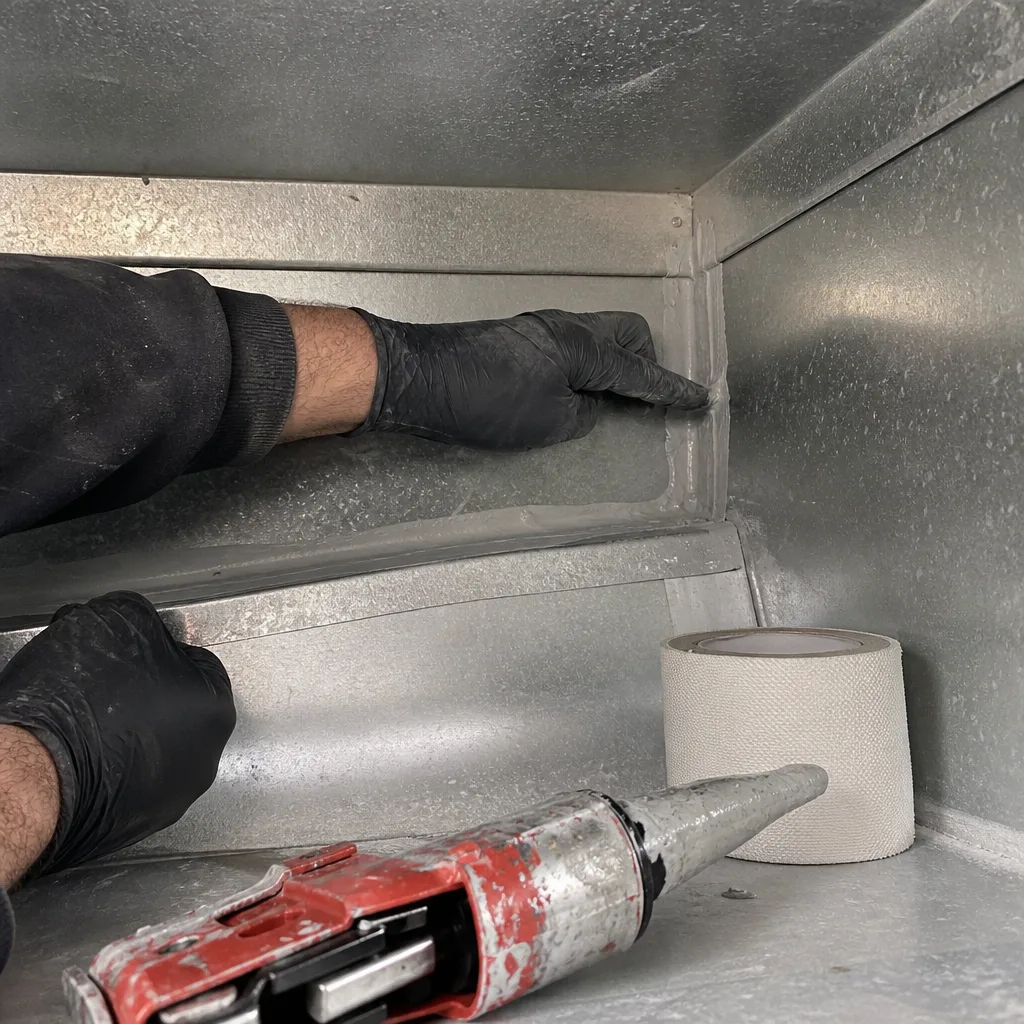
Last updated November 24, 2026
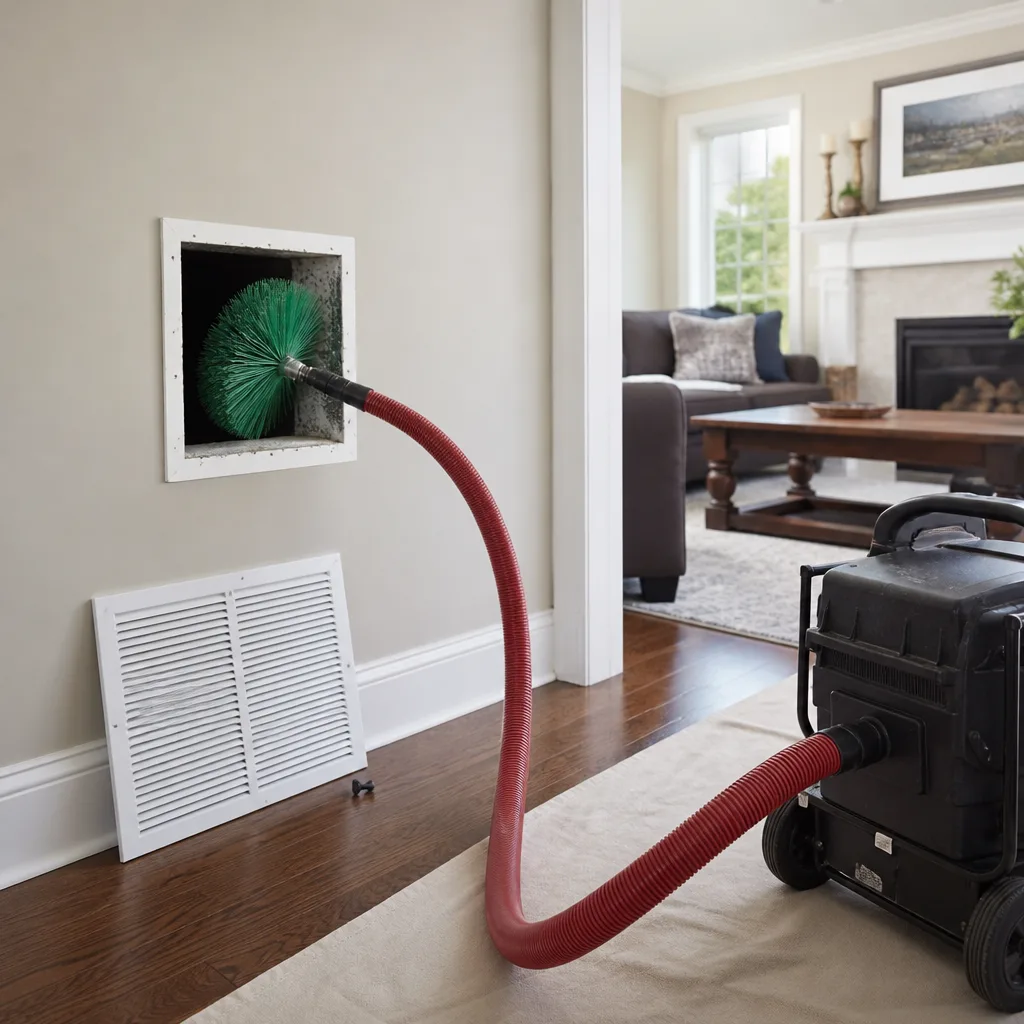 Whole-home duct cleaning
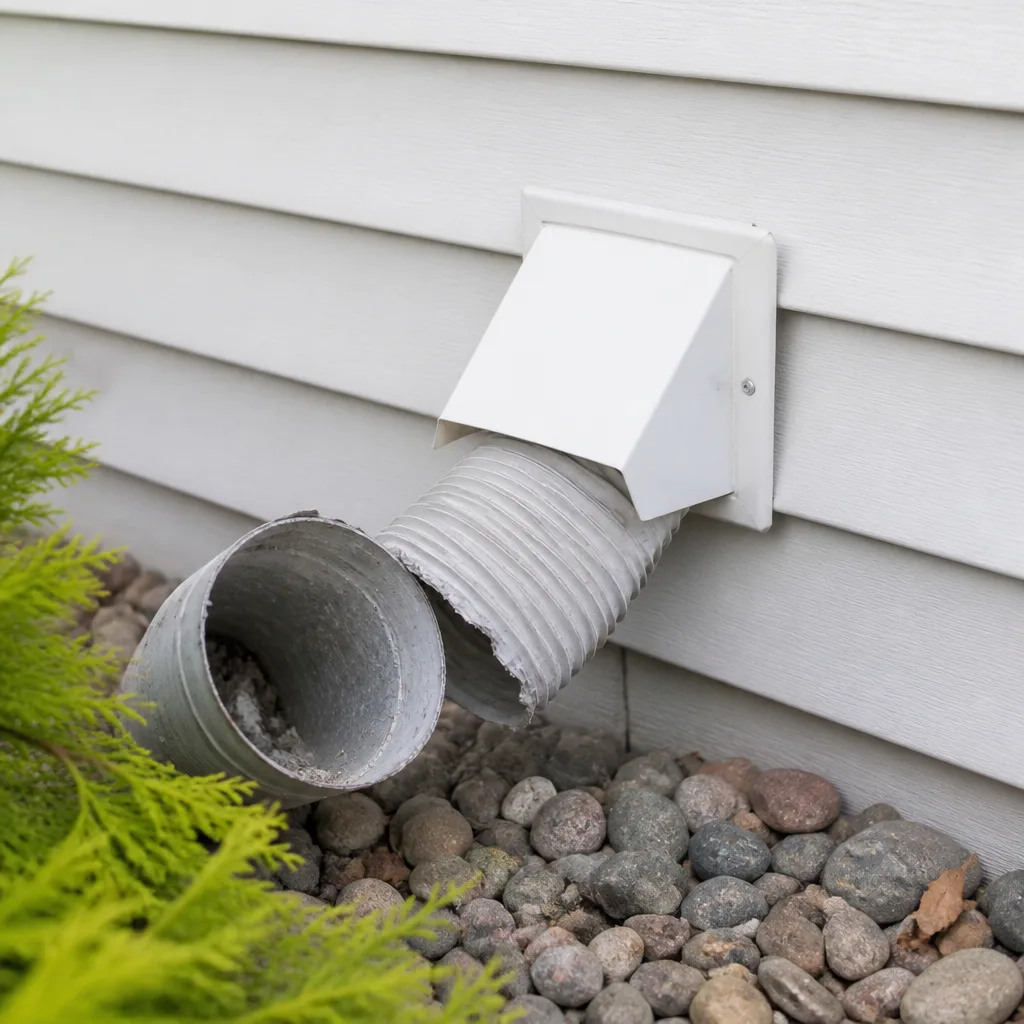 Dryer vent cleaning
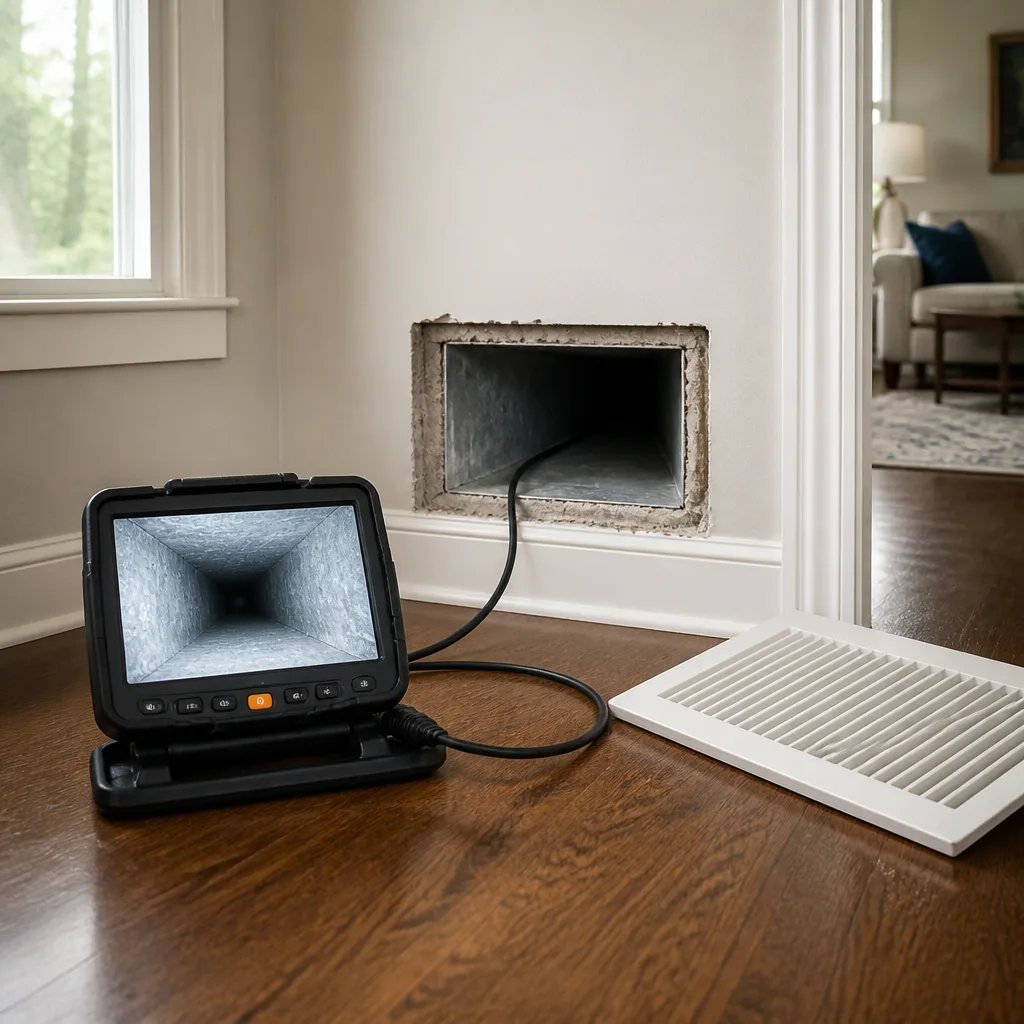 Camera inspection
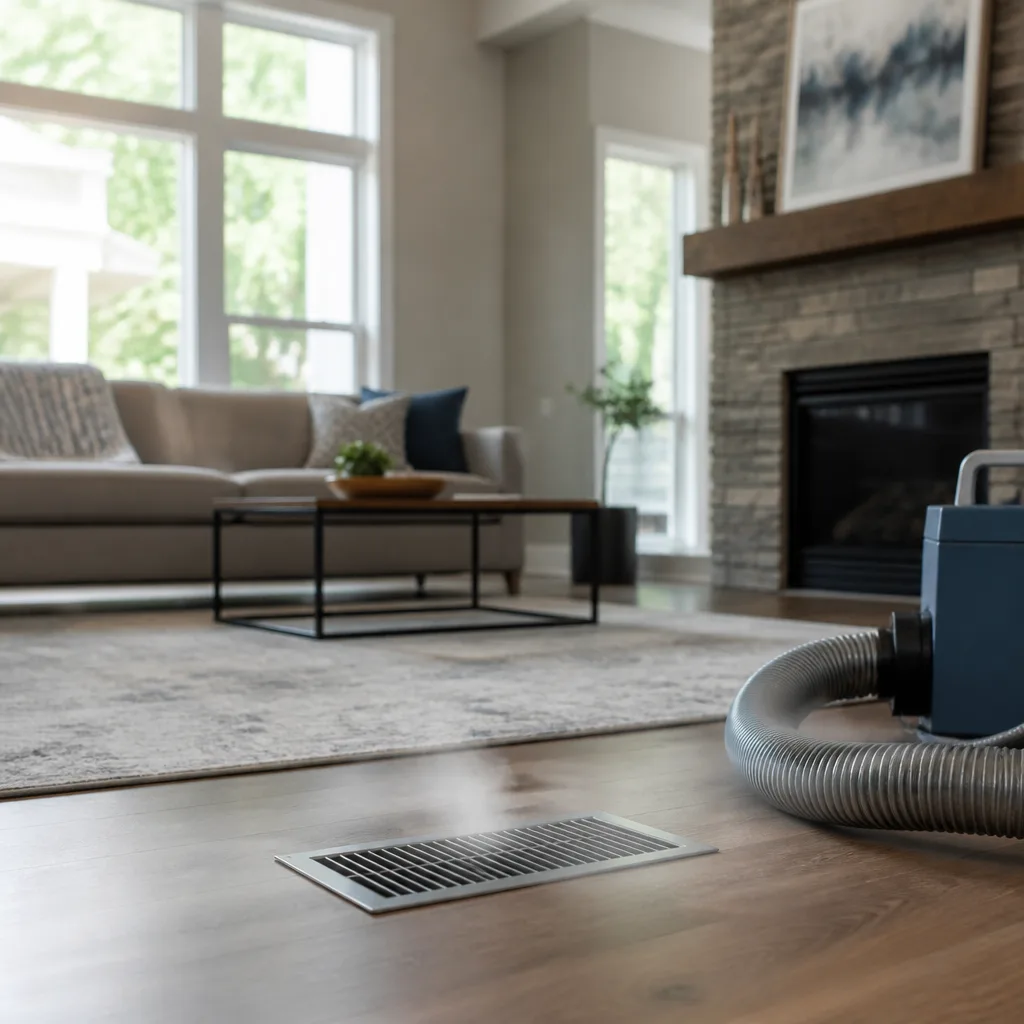 Sanitizing & deodorizing
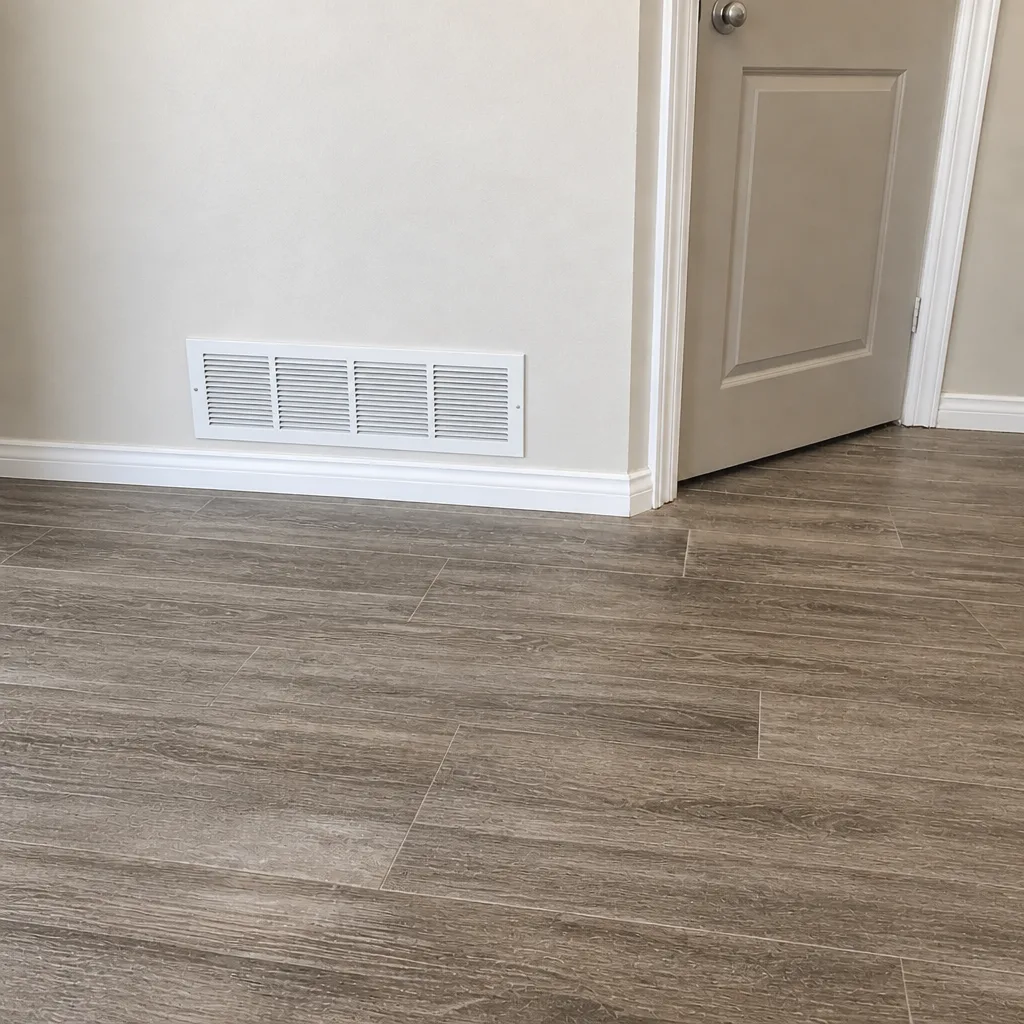
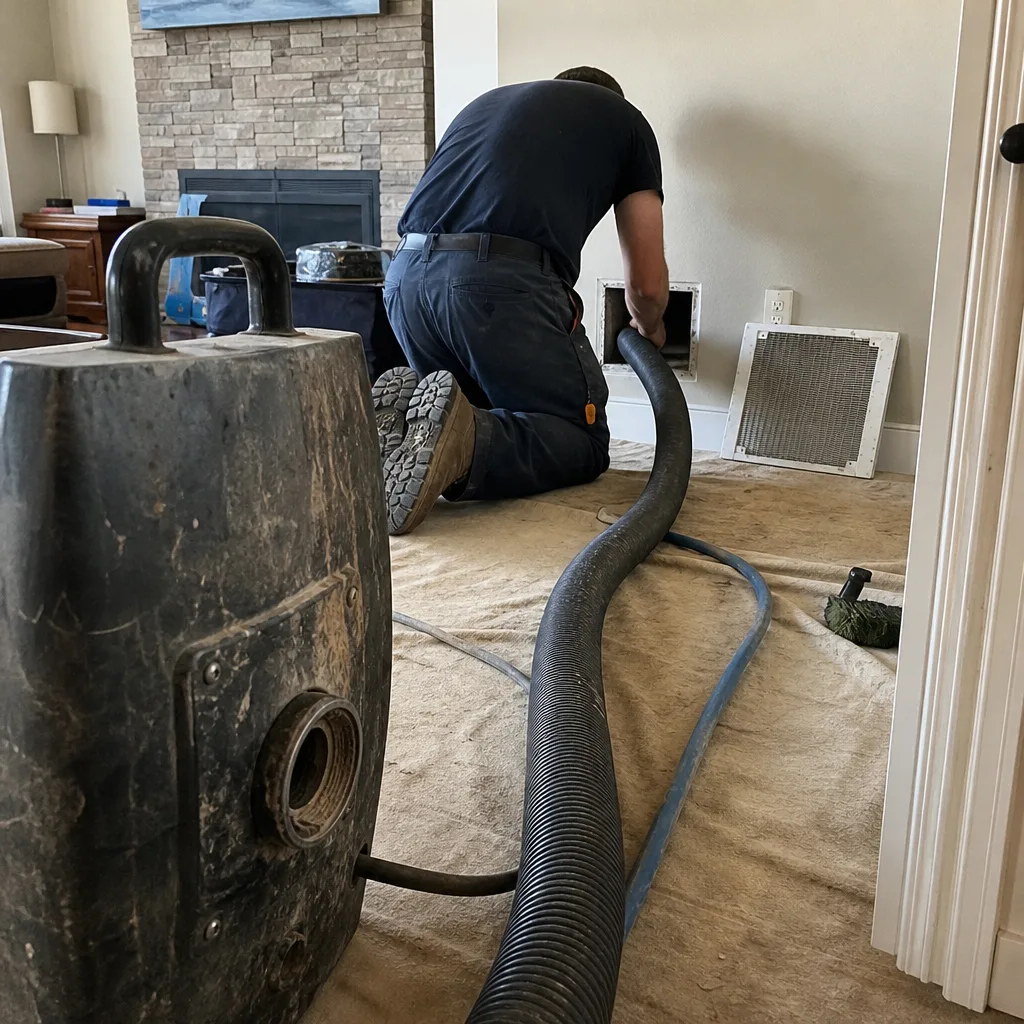
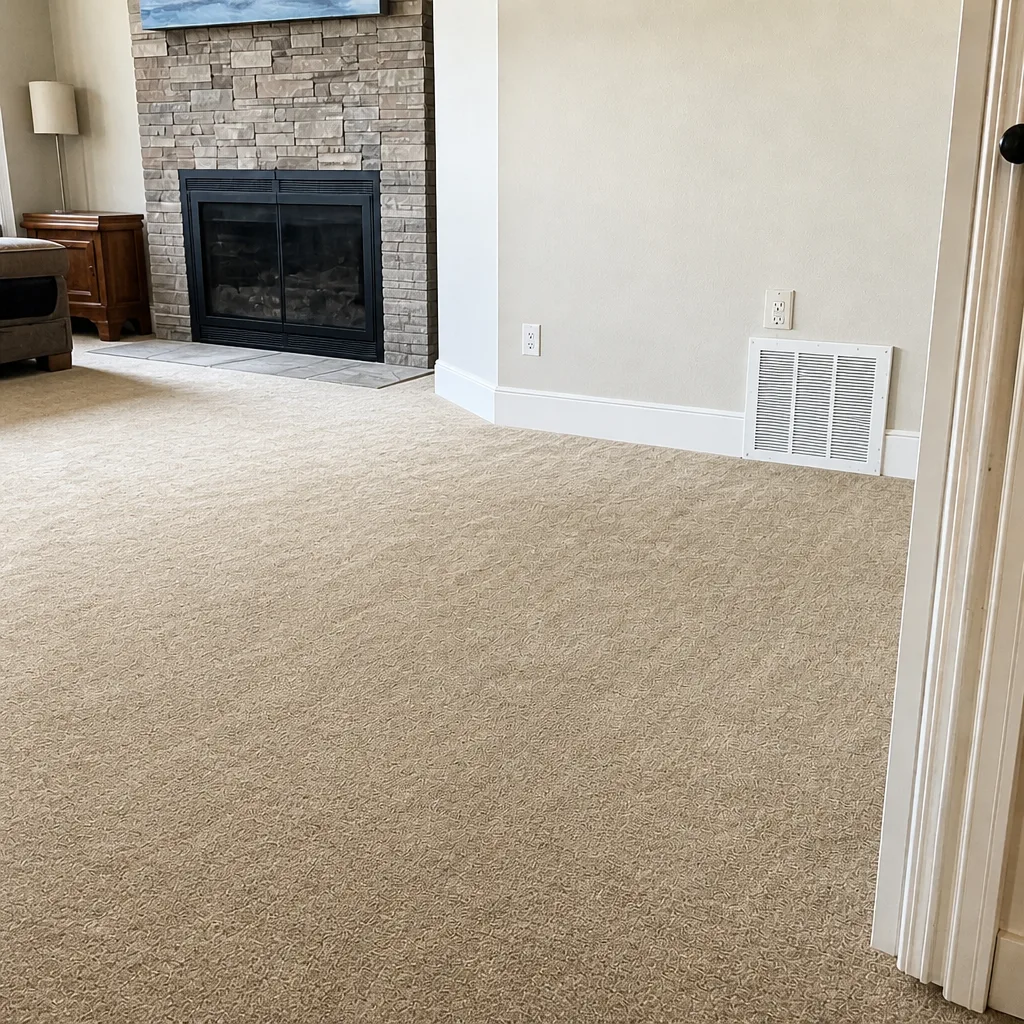
Whole-system duct and dryer vent check with before-and-after photos - you see exactly what came out of your vents
That "$99 whole-house special" is a bait ad - the real number appears once they are in your hallway, or the "clean" is a shop-vac at the register. We photograph the inside of your ducts before and after instead.
DIY vs Professional Air Duct Cleaning: The Cottonwood Heights Homeowner’s Decision Guide
Most guides to this question pick a side and sell it. Ours doesn’t, because the honest answer isn’t “always hire a pro” or “just do it yourself.” There are specific parts of duct maintenance you can genuinely handle: pulling and washing grilles, clearing the lint trap, changing filters, checking accessible flex runs for kinks or tears. And there are specific conditions where consumer equipment simply cannot accomplish the job no matter how much effort you put in. This guide draws that line clearly for Cottonwood Heights homeowners. You’ll learn what a $30 brush kit actually reaches, why a shop vacuum can’t do source removal, which warning signs mean stop and call, and how the real cost comparison works once you account for time and risk.
Quick Answer
Professional air duct cleaning is worth it when your ducts are contaminated with visible mold, rodent evidence, construction dust, or fiberboard contamination, and it cannot be replaced with a DIY kit under those conditions. DIY is genuinely capable for surface register cleaning, lint trap clearing, filter maintenance, and visual inspection of accessible flex duct. Everything in between requires equipment that creates sustained negative pressure and a technician who knows what the system is telling them.
Styles & brands we work with
- Whole-home duct cleaning
- Dryer vent cleaning
- Camera inspection
- Sanitizing & deodorizing
Table of Contents
- What Homeowners Can Legitimately Do Themselves
- Why Consumer Vacuums Physically Cannot Do Source Removal
- How DIY Attempts Make Professional Cleaning Harder
- When Professional Service Is Not Optional
- The Honest Cost Comparison
- What Makes Cottonwood Heights Ducts Different
- How to Evaluate a Professional Before You Book
- Common Mistakes to Avoid
- When to Call a Professional
- Frequently Asked Questions
- The Bottom Line
What Homeowners Can Legitimately Do Themselves
There’s honest work a homeowner can do, and we want to be clear about it. Pretending nothing is DIY-capable is just as misleading as pretending everything is. The trick is knowing which tasks return real value and which just produce the feeling of having cleaned something.
Here’s what is genuinely within reach for most Cottonwood Heights homeowners:
- Register and grille cleaning. Supply and return registers collect dust, pet hair, and lint on the surface. Removing them, washing them in the sink with mild soap, drying them fully, and reinstalling them is a real improvement. It’s the first thing anyone can do and it makes a visible difference on the register face.
- Lint trap and dryer vent exterior clearing. Clearing the lint trap every load is table stakes. Beyond that, you can disconnect the flexible transition duct behind the dryer and clear the first section you can reach. This extends a dryer vent cleaning interval and genuinely reduces fire risk at the accessible ends of the run.
- Filter maintenance. Checking the filter monthly and replacing it on schedule is the single highest-return thing a homeowner does. A clogged filter starves the air handler and pushes dust into places it doesn’t belong.
- Visual inspection of accessible flex duct. Where flex runs are exposed in a basement or attic, you can look for kinks, crushed sections, disconnected joints, or visible tears. You can note them and photograph them. You can’t properly repair them without the right materials, but you can catch problems early.
- Keeping the return path clear. Moving furniture, rugs, or stored items off return grilles restores airflow and is entirely DIY.
What ties those tasks together: they address surfaces and the accessible first foot or two of the system. They don’t touch the interior of your branch runs, the plenum above the air handler, or the accumulated debris sitting on the bottom of horizontal runs. That’s where the professional question begins.
Why Consumer Vacuums Physically Cannot Do Source Removal
This is the part most DIY guides skip, and it’s the crux of the entire decision. Duct cleaning that actually removes contamination is called “source removal” – meaning the debris is physically extracted from the system rather than blown from one section into another. Source removal depends on sustained negative pressure inside the ductwork during cleaning, and consumer equipment cannot produce it at the required scale.
Consider the numbers. A good shop vacuum pulls somewhere in the range of 150 to 250 CFM under ideal sealed conditions, and far less once it’s connected to any real length of flexible hose. Its sealed pressure is measured in inches of water lift – typically in the 60 to 90 inch range for a shop-grade unit, dropping fast as airflow increases. Professional duct cleaning systems like those from Nikro and Rotobrush are built around high-volume negative pressure machines paired with sealed, HEPA-filtered collection. They sustain airflow and pressure together – the two variables that matter – through long runs of hose while keeping the workspace under negative pressure. Abatement Technologies equipment goes a step further and addresses particulate and contaminant control at a remediation level, which is why restoration contractors use it after water damage and mold events.
Here’s the practical translation:
- A shop vacuum can pull surface dust off the first 12 inches of a register boot. Nothing wrong with that. It’s a real job.
- A shop vacuum cannot evacuate a horizontal branch run. The airflow and pressure fall off before the debris is moved, and the agitation tools (rotary whips, air jets) that loosen caked debris at distance aren’t part of the setup.
- A shop vacuum cannot keep your living space under negative pressure while a technician cleans a main trunk line. Without that, you’re just loosening dust into the room.
- A professional system can do all of the above in a single visit, and it captures what it removes in a filter rather than venting it into the air you’re breathing.
This is a technical distinction, not a sales position. The equipment either produces the airflow and pressure or it doesn’t. In Cottonwood Heights homes with long flex runs through attic spaces, that difference becomes very obvious very fast.
How DIY Attempts Make Professional Cleaning Harder
The most common DIY failure mode isn’t injury – it’s that the effort moves contamination around rather than out. We’ve seen this plenty in Cottonwood Heights, and every time the follow-up cleaning is more involved than it would have been.
The specific ways it happens:
- Dislodged debris migrates deeper. Pushing a brush into a supply run without extraction at the far end just loosens caked dust and pushes it toward the next joint or into a horizontal section. What was a manageable first-foot problem becomes a whole-run problem.
- Improper brush use damages flex duct. Consumer brush kits are designed for rigid metal duct and are unforgiving inside spiral-wound flex. Aggressive or turning brush use can tear the inner liner, crush the spiral wire, or pull joints apart. That means a duct repair on top of the cleaning – and a torn liner is an ongoing contamination pathway until it’s properly sealed. Proper air duct cleaning includes inspecting for and repairing what it finds, not just extracting debris.
- Blowing rather than extracting. Some DIY approaches use an air compressor to “blow out” a run. Without negative pressure on the far side, all you’ve done is aerosolize debris into the living space. That’s a health issue, not an improvement.
- Damaging the air handler. Poking anything into the blower compartment or evaporator coil is risky. Fin damage is permanent, and misalignment on a blower wheel is a service call.
None of this is meant to scare you off DIY for the tasks that are appropriate. It’s a reminder that duct interiors are an enclosed system, and enclosed systems push problems down the line rather than out of the house.
When Professional Service Is Not Optional
There are conditions where DIY stops being an option. Not because the equipment is nicer, but because the contamination category is beyond what any consumer setup can address, and in some cases because the work has health, safety, or structural implications.
Professional service is the correct call – not a suggestion – under any of the following:
- Visible mold on duct surfaces or near the air handler. Only a trained technician is equipped to assess the extent, contain the area, and remediate with the correct protocol. Abatement-level equipment exists for exactly this reason. If you see mold, do not attempt to clean it yourself.
- Rodent evidence: droppings, nesting, or urine odor. Rodent contamination is a category that requires containment and sanitizing after removal. Guardsman-grade sanitizing treatments exist because the removal alone doesn’t eliminate the biological contamination.
- Post-renovation contamination. Drywall dust, sawdust, and construction particles are extremely fine and coat every surface inside the system. A shop vacuum can’t do it, and running your HVAC immediately after a renovation without cleaning spreads that dust everywhere.
- Fiberboard or duct board systems. These have a porous interior. Brush contact damages the surface, and the material itself supports microbial growth when it stays wet. Only equipment designed for low-abrasion cleaning is safe here.
- Air handler contamination. When the blower wheel and evaporator coil are fouled, they need to be cleaned properly with the unit isolated. This is a trained-technician job in every case. That’s why HVAC cleaning is a separate professional service, not part of a DIY kit.
- Compromised or disconnected ducts. If inspection reveals a break, tear, or crushed run, it needs repair and sealing before cleaning. Cleaning an open system is a waste of effort. We repair what we find so that the system is clean and sealed at the end.
- Persistent allergy or respiratory symptoms that don’t resolve. If household members are reacting and the simple measures haven’t helped, the system is telling you to get a professional assessment.
The Honest Cost Comparison
Most “DIY vs. professional” cost discussions compare the price of a $30 brush kit to the price of a full cleaning. That’s a misleading comparison because it assumes both approaches produce the same outcome. They don’t – and the honest accounting has to include time, risk, and the probability that the DIY result actually improves air quality rather than just moving dust around.
The real variables:
- The kit price. Small. A brush kit and a shop vacuum are inexpensive and useful for other jobs around the house.
- Time. A serious attempt at cleaning a full system means removing every register, working through exposed flex runs, using the vacuum wherever it can reach, and cleaning up dust that has spread through the attempt. Realistically an all-day project, and it still won’t touch the branch interiors.
- Risk. Torn flex liner, crushed runs, damaged evaporator fins, or an air handler that stops working correctly. Any of these costs more to repair than the original cleaning would have.
- Outcome probability. This is where it gets uncomfortable. A DIY attempt typically improves what you can see and slightly disturbs what you can’t. Air quality improvement from DIY is usually minimal because the contamination source is inside the system, not on the register face.
Where professional cost comparison lands for a Cottonwood Heights home is a per-system flat range – not a per-vent tease. The written estimate covers a specific listed scope: which runs are being cleaned, whether the air handler is included, whether sanitizing is part of the job. That’s the honest structure. One flat price per system agreed before work starts, before-and-after photos of your own ducts so you can see what was actually removed, and a satisfaction guarantee behind the work.
The comparison we’d make is this: DIY saves the service cost and forfeits the source removal. Professional service costs the estimate and closes the gap. If your ducts are clean and healthy, the DIY tasks (registers, filter, lint trap) are the right weekly/monthly habit and you don’t need a service call. If the conditions above describe your ducts, DIY doesn’t save money – it defers a real cost and usually makes it larger.
What Makes Cottonwood Heights Ducts Different
Local context matters more than most guides admit, and Cottonwood Heights has some specific conditions that shape what homeowners find inside their ducts.
In the neighborhoods along the foothills – the Cottonwood Heights bench areas near Wasatch Boulevard, the older sections off Fort Union, and the family homes clustered around Butler Middle School – we see ducts that have been in service through many seasons of the local cycle. The high-desert climate here means very dry summers with significant dust from canyon winds, and winters that cycle heating on and off for months. That on/off cycle is exactly when the air handler moves the most fine particulate. Dry conditions also dry out flex duct liners faster, which contributes to the small tears and joint separations that let dust escape into attic cavities rather than reaching the register.
Two local patterns stand out in our experience:
- Attic flex runs. A large share of Cottonwood Heights homes route supply runs through unconditioned attic space. Those runs see wide temperature swings and are frequently the source of crushed or kinked sections that constrict airflow and produce cold/hot rooms without an obvious cause. A visual inspection from the attic access is one of the few DIY tasks worth taking seriously here.
- Return-path contamination in older construction. The older housing stock off Fort Union and along Highland Drive frequently has aged flex return ducts or short return plenums that trap a lot of dust just above the air handler. That’s a place DIY cannot reach, and it’s one where professional extraction produces an obvious before-and-after.
Cottonwood Heights isn’t unusual in the equipment required – it’s unusual in how visible the results are when the equipment is applied correctly. Dry, windy, high-desert seasons put a lot of particulate into the system, and Cottonwood Heights homeowners see the difference quickly when the work is done properly.
How to Evaluate a Professional Before You Book
Since this is a decision guide, the biggest service we can provide is telling you what to look for. The industry has earned its reputation for bait-and-switch – a low advertised rate that becomes a much larger invoice once the technician is standing in your living room. Here’s how to tell the difference before that happens:
- Ask for a scope, not a price. A professional will list which runs are cleaned, whether the air handler is included, whether sanitizing is part of the job, and whether duct repair and sealing are quoted separately. If you can’t get a written scope, walk.
- Ask what equipment they use. Professional cleaning requires professional extraction. If the answer is a shop vacuum and a brush kit, they cannot perform source removal. Rotobrush and Nikro are widely used professional names; Abatement Technologies equipment indicates remediation-level capability when the job calls for it.
- Ask for one flat price per system. Not per-vent pricing, not a teaser rate. One flat price per system, agreed before work starts, in writing.
- Ask about before-and-after photos. A technician who can show you the ducts before and after the work isn’t guessing at what was removed. It’s a fair request.
- Ask about duct repair and sealing. A cleaning without inspection is incomplete. Flex duct damage is common, and the right provider repairs what they find rather than cleaning around it.
- Ask about sanitizing. If the job includes mold, rodent evidence, or persistent odor, sanitizing is part of the process, not an add-on to push the invoice up.
- Ask about filter and IAQ upgrades. Providers who work with Honeywell and Aprilaire equipment can assess whether your filtration is doing its job. That’s a legitimate question, not an upsell.
Common Mistakes to Avoid
- Buying a brush kit and treating it as full duct cleaning. A brush kit cleans the first 12 inches of a register boot. It doesn’t clean the branch runs, the plenum, or the interior of flex duct. Treating that first foot as the whole system is the most common DIY error in Cottonwood Heights.
- Using high-pressure air to “blow out” ducts. Blowing without extraction at the far end fills the living space with whatever was inside the duct. That’s the opposite of cleaning.
- Aggressive brushing inside flex duct. Flex liners tear. Spiral wire crushes. Once damaged, that run needs a repair and a proper seal before cleaning again. Use a brush only on rigid metal, and only on the register-accessible portions.
- Skipping filter replacement while trying to clean the system. If the filter is clogged, any cleaning effort is wasted – the air handler is still getting starved and pushing dust past every seal.
- Running the HVAC immediately after renovation. Drywall dust and sawdust spread through the whole system within minutes. Wait for cleaning, then run the system.
- Attempting to clean mold or rodent contamination. These are professional-remediation categories. Attempting either with consumer equipment spreads the contamination rather than removing it.
- Booking a professional based on the lowest advertised number. In the duct cleaning trade, low advertised numbers frequently become much larger invoices after the technician arrives. Ask for the flat per-system price and the scope before booking.
When to Call a Professional
Call a professional if any of the following describes your system: visible mold on duct surfaces or near the air handler, rodent droppings or nesting in the system, a recent renovation that produced drywall dust, fiberboard or duct-board construction, a fouled air handler or evaporator coil, persistent allergy or respiratory symptoms that haven’t improved with filter changes, or visible flex duct damage you can’t safely address yourself. Each of these is a condition where consumer equipment cannot complete the job and DIY attempts actively make the follow-up cleaning harder. For routine register cleaning, filter maintenance, lint trap clearing, and visual inspections of accessible flex, we’d rather you handle those and save the call for the conditions that need it.
Cottonwood Heights Air Duct Cleaning offers free estimates in Cottonwood Heights – call (866) 937-8903. We answer 24/7. Fast dispatch from 7am to 7pm, Sunday through Friday. We’ll walk through what your system actually needs and quote one flat price per system in writing before any work starts.
Frequently Asked Questions
You can clean the parts you can safely reach: register and grille faces, the lint trap, the filter, and the first accessible inches of flex runs. You cannot perform source removal inside the branch runs or the air handler without professional equipment that generates sustained negative pressure. That’s a physical limitation of consumer equipment, not a policy decision.
Professional air duct cleaning in Cottonwood Heights is quoted as one flat price per system, agreed in writing before work starts, not on a per-vent basis. The quote ranges with the scope – number of runs, whether the air handler is included, whether duct repair and sealing or sanitizing is part of the job. Call (866) 937-8903 for an exact quote – estimates are free.
Low advertised rates are usually a teaser that becomes a larger invoice once the technician is on site – often with add-ons for “sanitizing,” “sealing,” or “heavy contamination” that weren’t quoted. Ask for one flat price per system and a written scope before booking. If a company won’t put the scope in writing, that’s the answer to why their price is lower. Call (866) 937-8903 to compare a written flat-price quote.
Ask for before-and-after photos of your own ducts. Photos of the actual runs in your home are the proof point – not stock images or a “cleaned system” certificate with no evidence attached. A professional technician should be able to show you the difference. If you’d like to see what a completed job looks like, call (866) 937-8903.
The honest answer is on condition, not on a fixed calendar. Annual cleaning is common in dusty high-desert climates like Cottonwood Heights, homes with pets or allergic occupants, or homes with older duct systems. If you’ve recently renovated, run the system without professional cleaning first, or have visible contamination, the answer is now, not annual. Call (866) 937-8903 for a free assessment.
Yes – by a wide margin, and it’s a matter of airflow and pressure together. Professional systems like those from Nikro and Rotobrush sustain negative pressure through long hose runs and capture what they remove in HEPA-filtered collection; a shop vacuum pulls a fraction of that and cannot keep the workspace under negative pressure. Abatement Technologies equipment addresses particulate and contaminant control at remediation level when the job calls for it. That’s the technical reason a professional cleaning is a different category of work from a DIY attempt.
Signs include visible mold on duct surfaces, rodent droppings or nesting, recent renovation dust, air handler contamination, fiberboard construction, persistent allergy symptoms that filter changes haven’t helped, and visible flex duct damage. Any of these is a professional category. For the routine tasks – registers, filters, lint traps – DIY is fine and worth doing. Call (866) 937-8903 if you’re unsure which side of that line your system is on.
The Bottom Line
The DIY vs. professional question has a real answer, and it’s narrower than most guides suggest on both sides. DIY is genuinely capable of register cleaning, filter maintenance, lint trap clearing, and visual flex inspection – do those. Professional service is genuinely necessary for source removal inside branch runs, mold and rodent remediation, post-renovation contamination, fiberboard systems, air handler cleaning, and duct repair and sealing. The equipment difference isn’t marketing: consumer vacuums cannot generate the sustained negative pressure that source removal requires. Cottonwood Heights homeowners on dry, windy, high-desert lots should make the filter habit a monthly one and treat professional cleaning as an as-needed service, not an annual ritual. If your system falls into the professional category, the right next step is a free written estimate with one flat price per system, before-and-after photos, and a satisfaction guarantee.
Call (866) 937-8903 for a free estimate. We answer 24/7. Fast dispatch from 7am to 7pm, Sunday through Friday. Our technicians have up to 13 years of experience, and every visit starts with a scope and a written flat price per system before any work begins. Whether you need cleaning, repair and sealing, or a full assessment of an HVAC and duct system that’s gone a long time without service, we walk through Cottonwood Heights Air Duct Cleaning with the same consultative approach: what the system actually needs, in writing, before anyone touches your ducts.
Written by the team at Cottonwood Heights Air Duct Cleaning.
See the difference
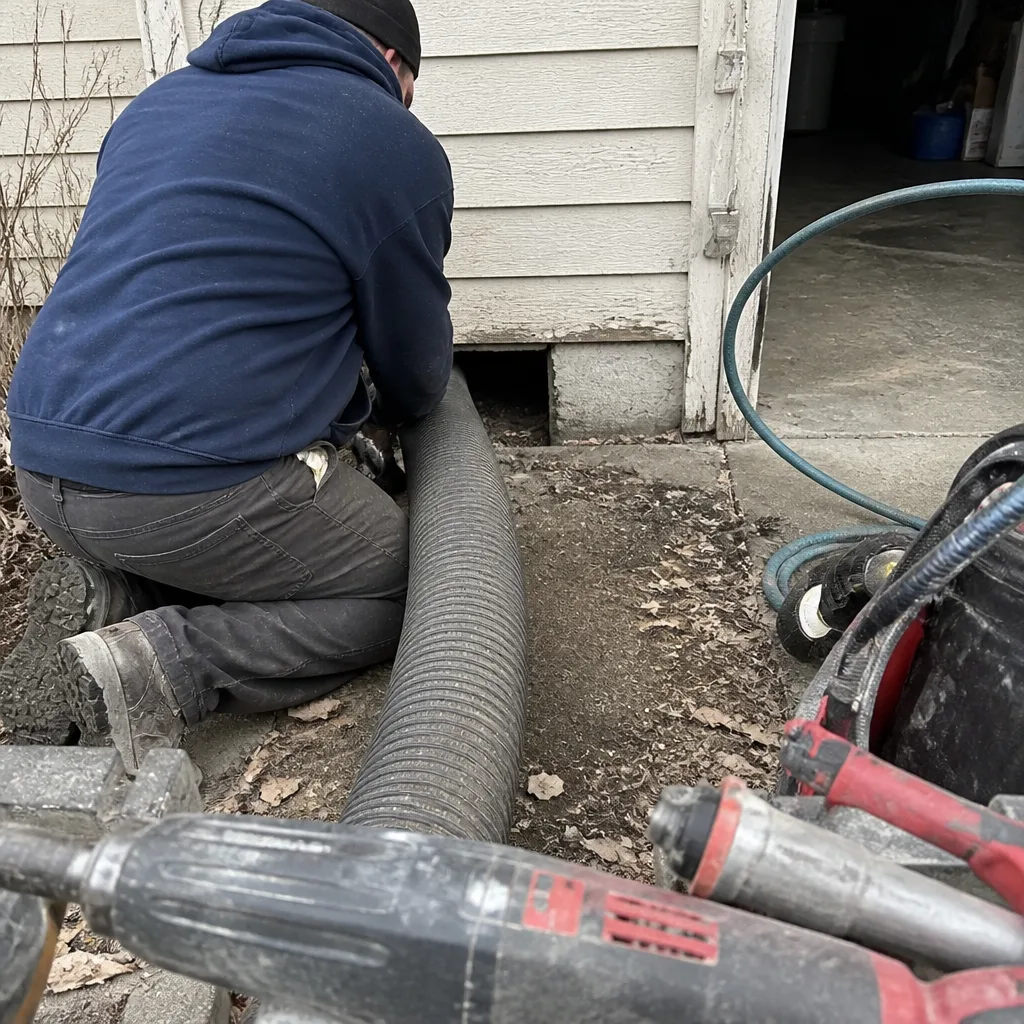 Before
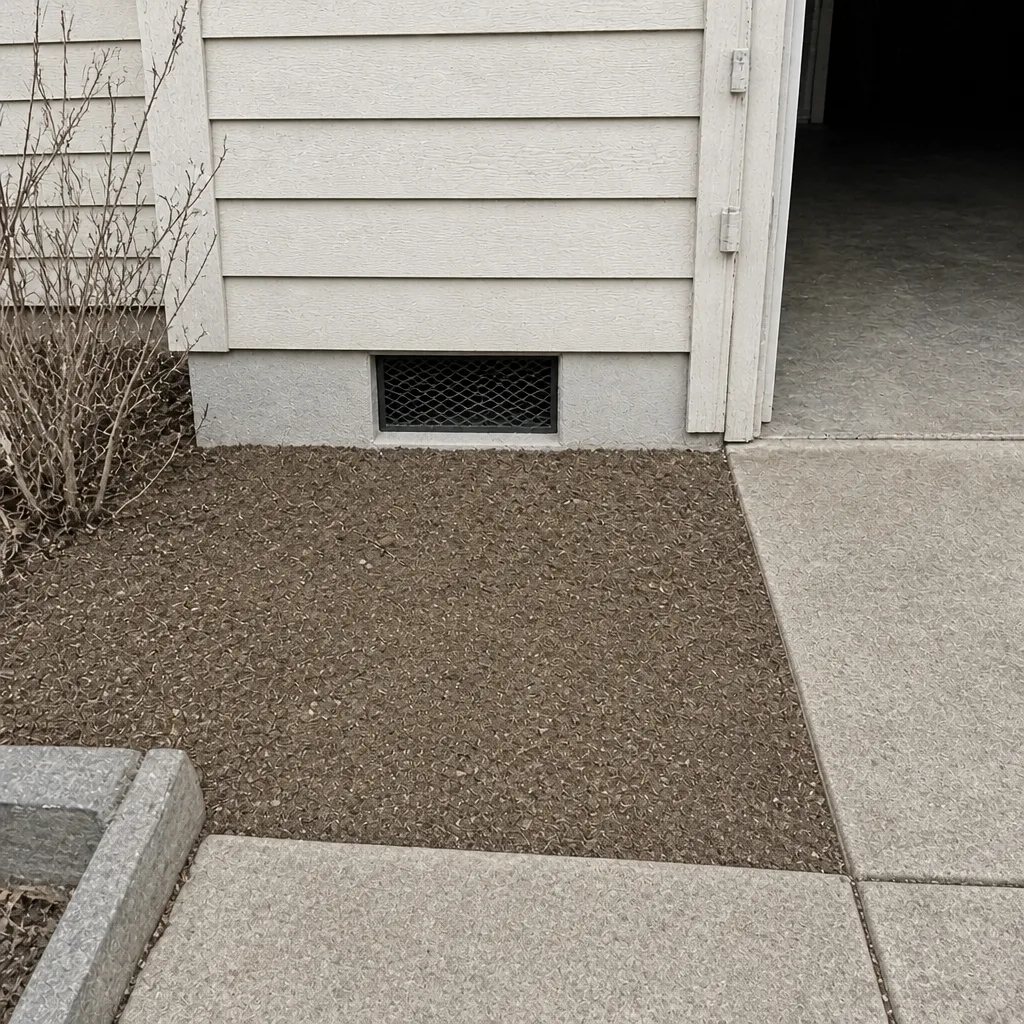 After
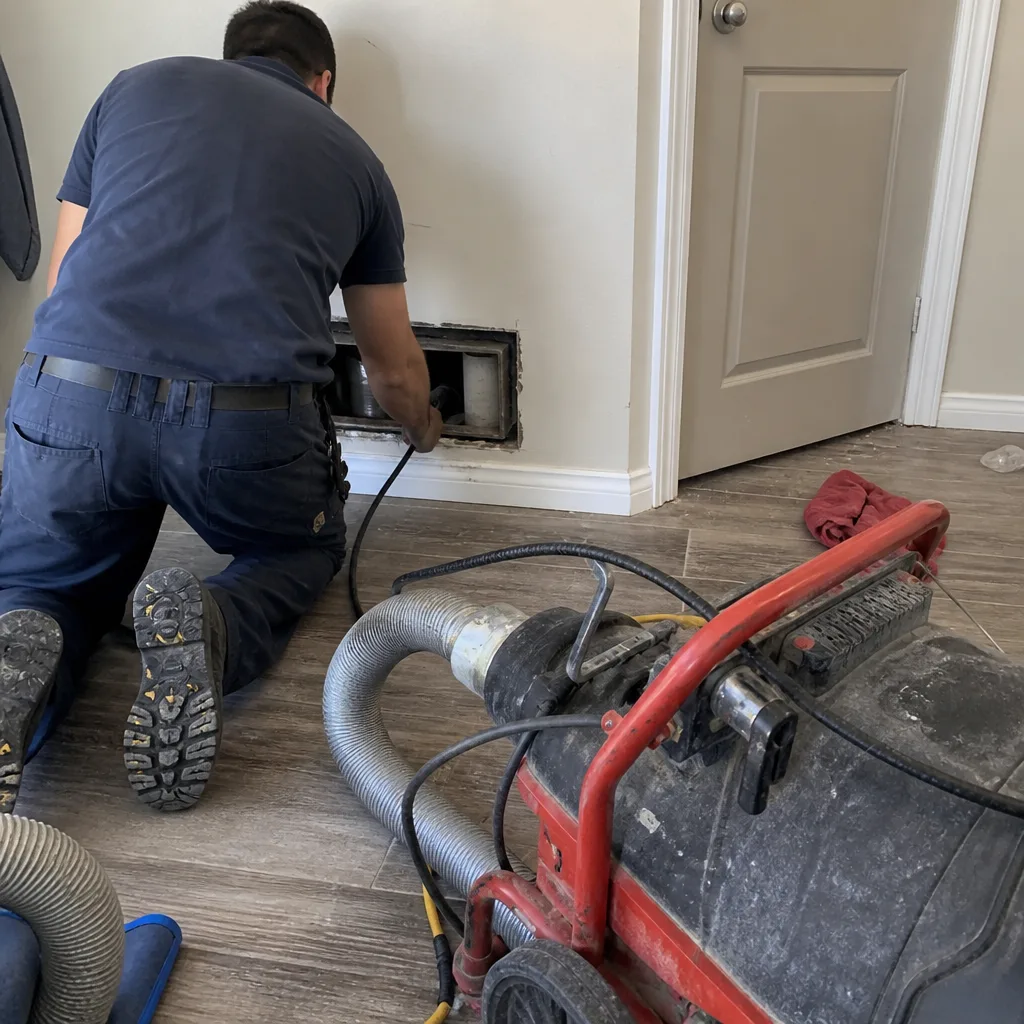 Before
 After
 Before
 After