
Last updated November 24, 2026
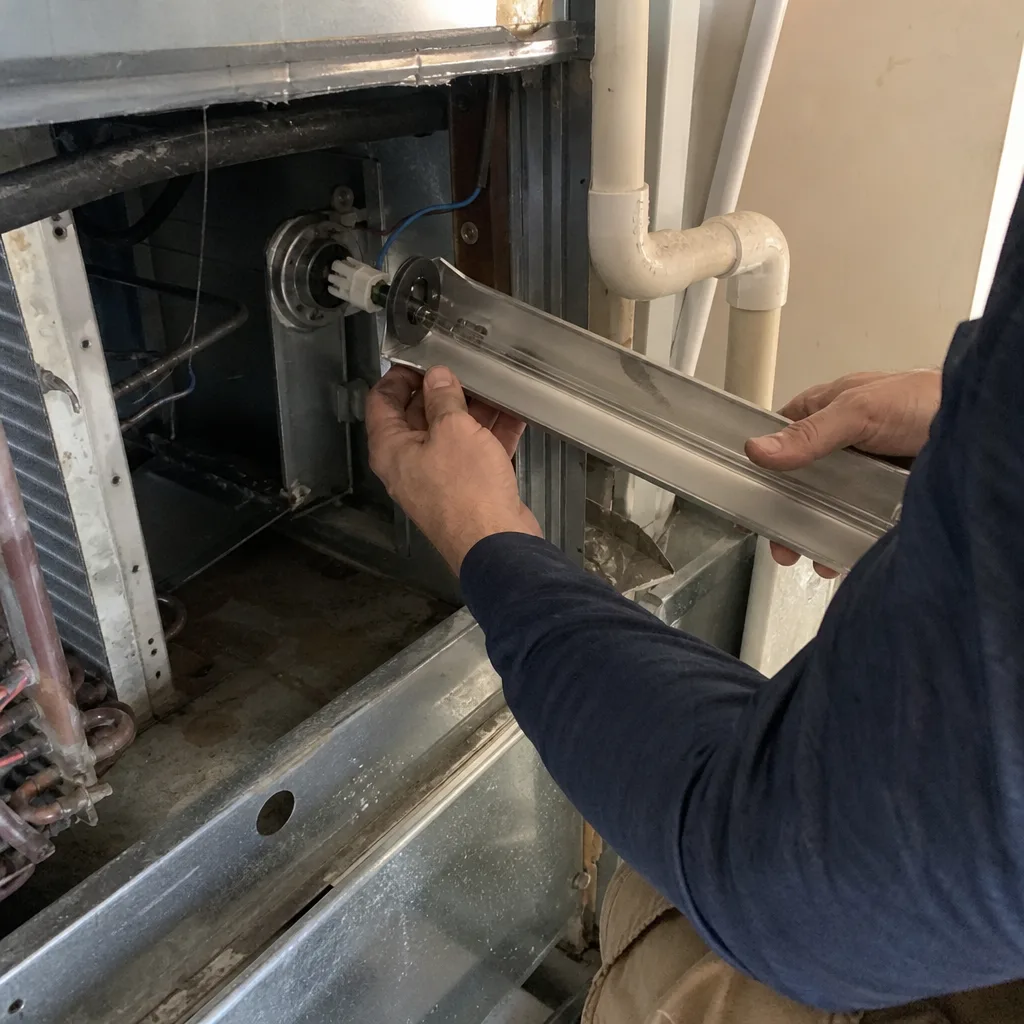
 Whole-home duct cleaning
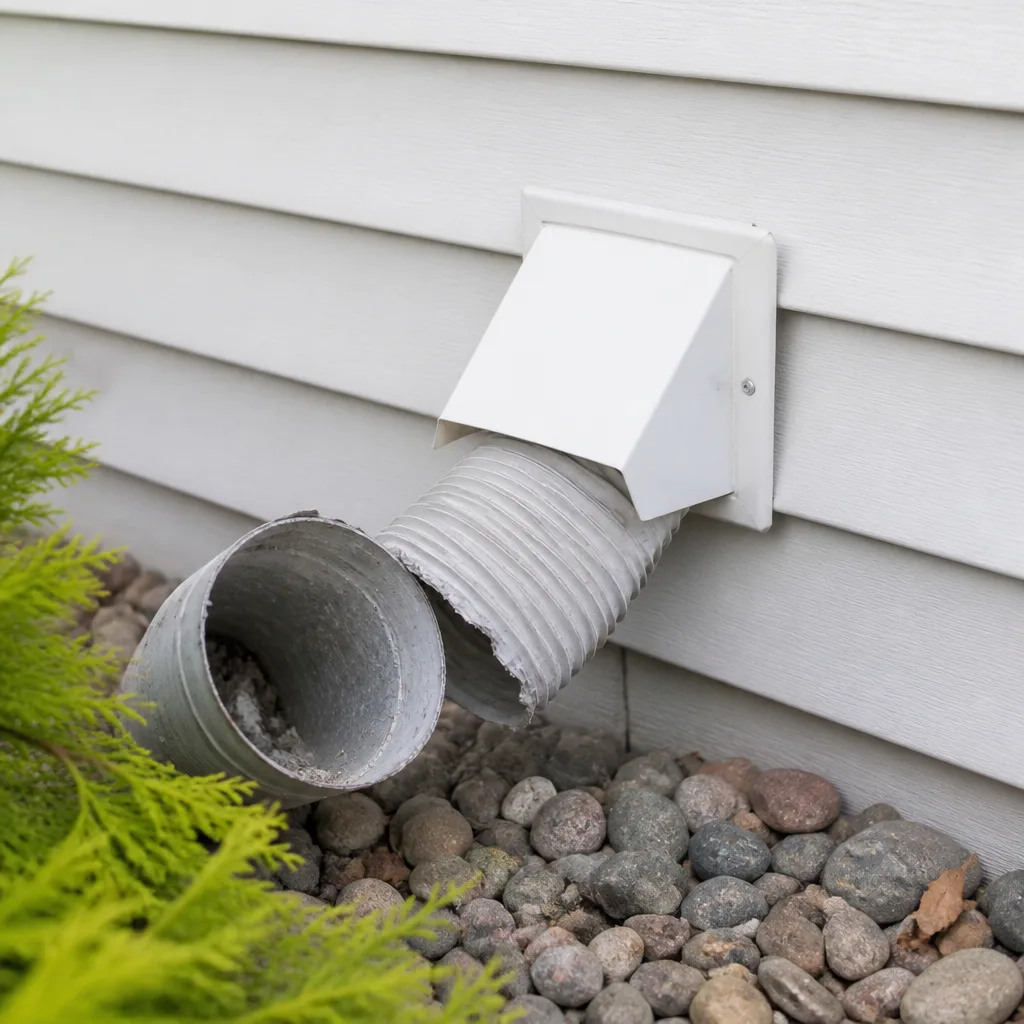 Dryer vent cleaning
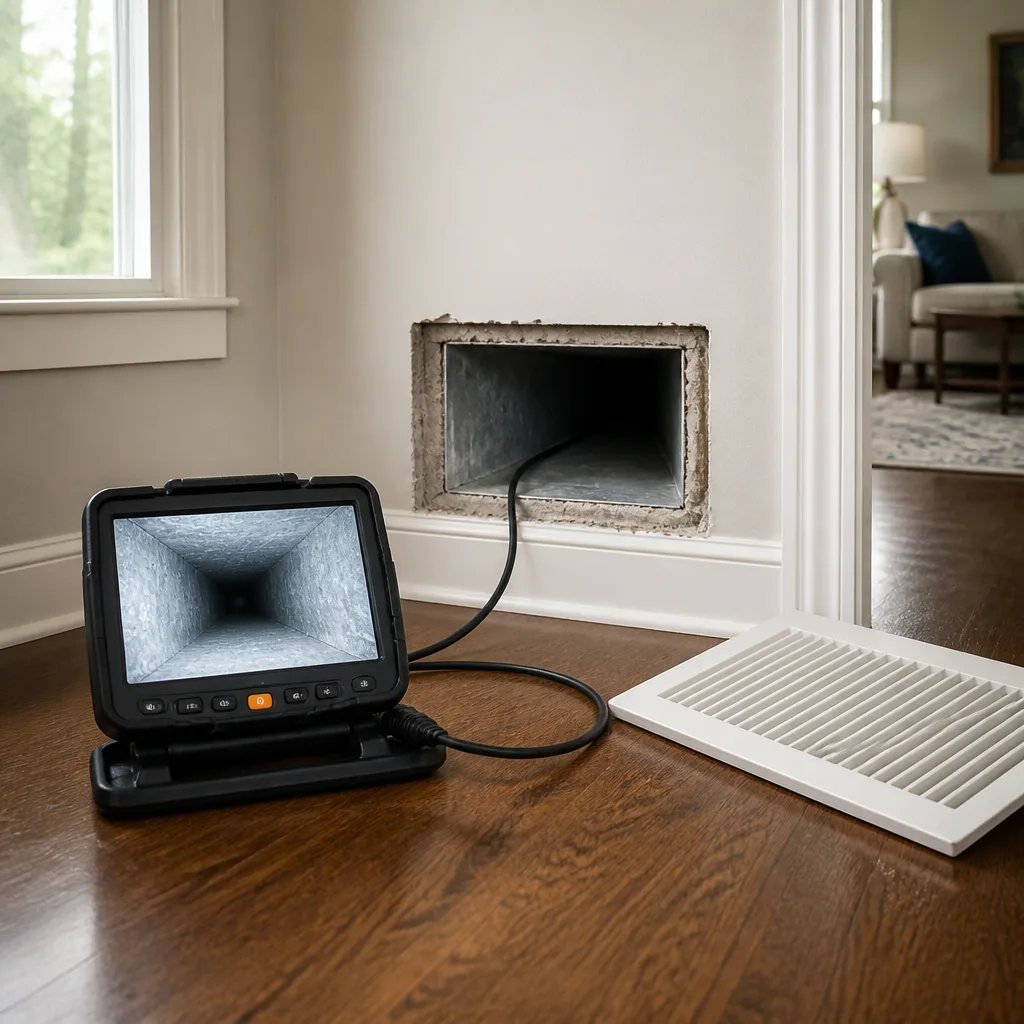 Camera inspection
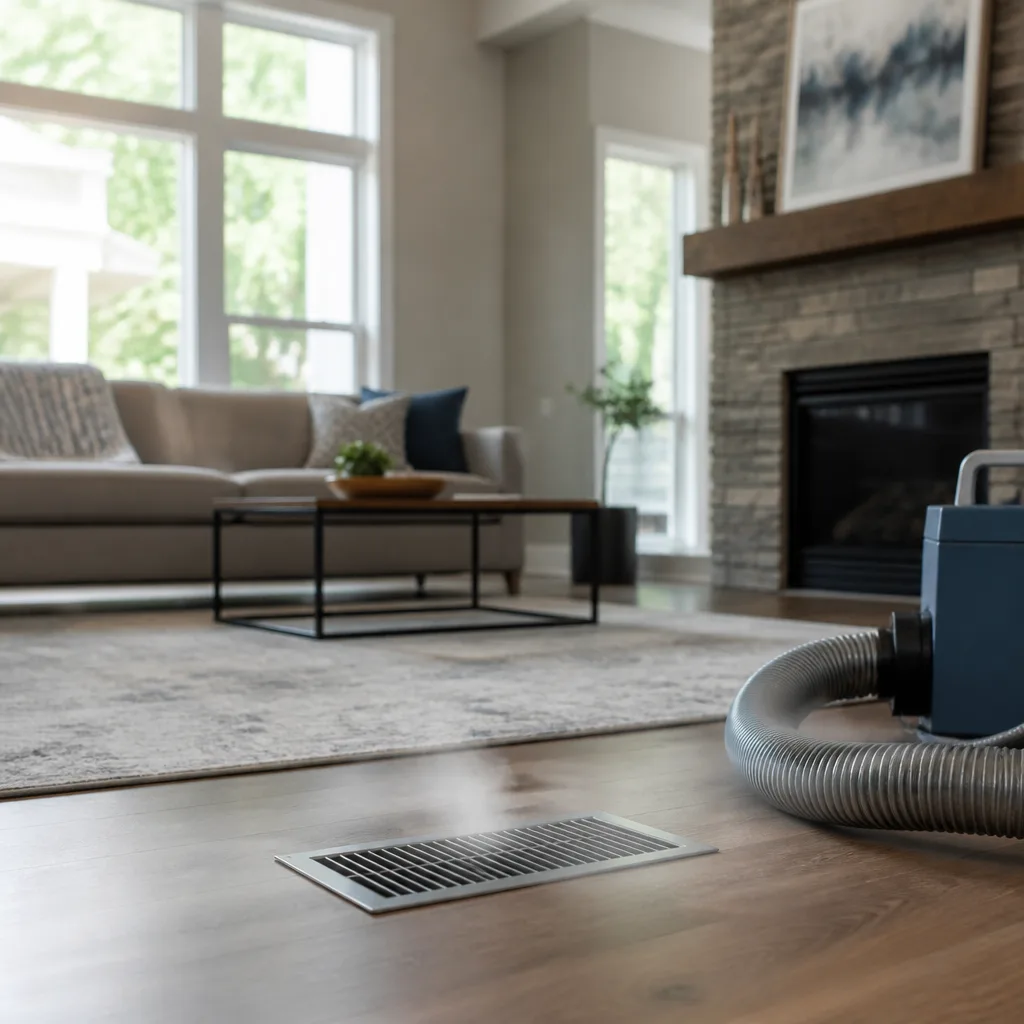 Sanitizing & deodorizing
Whole-system duct and dryer vent check with before-and-after photos - you see exactly what came out of your vents
That "$99 whole-house special" is a bait ad - the real number appears once they are in your hallway, or the "clean" is a shop-vac at the register. We photograph the inside of your ducts before and after instead.
Air Duct Cleaning Warning Signs: A Cottonwood Heights Homeowner’s Reference Guide
Most duct problems don’t announce themselves with a bang. They show up as a faint smell when the heat first kicks on in October, a bedroom that never quite warms up, or a filter that clogs faster than it used to. Homeowners in Cottonwood Heights tend to file these details under “normal” and move on, which is exactly why they get expensive. A musty smell at the start of heating season is rarely just the furnace warming up – it’s one of the most reliable early signals of microbial growth in the air handler or supply plenum, and a season of ignoring it rarely ends cheaply. This guide names the physical, olfactory, and performance signals that actually mean something, ranks them by urgency, and explains which ones you can watch versus which ones warrant a call this week. You’ll finish knowing what your ducts are telling you.
Quick Answer
Air ducts in Cottonwood Heights usually need professional attention when you notice a musty or burning smell at startup, visible dark debris or fuzz around the registers, uneven room temperatures that persist after balancing, filters loading faster than normal, or a recent trigger event like wildfire smoke, renovation dust, water intrusion, or rodent activity. Routine surface dust at the registers alone is not a cleaning trigger. Odor plus visible contamination plus a performance change together is a strong signal to get an assessment.
Styles & brands we work with
- Whole-home duct cleaning
- Dryer vent cleaning
- Camera inspection
- Sanitizing & deodorizing
Table of Contents
- Visible Signs at the Registers and Returns
- Odor Diagnostics: What Each Smell Is Telling You
- HVAC Performance Signals You Might Be Misreading
- Cottonwood Heights Trigger Events: Fire, Reno, Water, Rodents
- Monitor vs. Call: Ranking the Signs by Urgency
- What a Professional Inspection Actually Checks
- Why Equipment Grade Matters for the Result
- Common Mistakes to Avoid
Visible Signs at the Registers and Returns
Not all dust is a warning sign. Some of it is just the room. You need to distinguish surface dust that settles on the grille from debris that’s actually coming out of the system. Surface dust is light, fluffy, uniform, and returns within a few days of any cleaning because it’s airborne room dust settling. What you’re looking for is different: particles that cling, clump, or look fibrous, and buildup that reappears at the same register faster than the others. Here in Cottonwood Heights, spring pollen season and the dry summer wind kick up plenty of ambient dust, so we tell homeowners to compare registers against each other rather than against a clean-room standard.
Here’s how to tell debris from something more serious by appearance:
- Light gray-brown fluff, evenly distributed: normal house dust and lint. Not a trigger by itself.
- Dark, sticky, or oily film on the diffuser vanes: often indicates moisture and microbial growth in the duct or plenum. This one deserves a look.
- Black specks or pepper-like debris near the register: can be rodent droppings, degraded insulation, or combustion soot. Treat as urgent.
- Fiberglass particles or insulation fluff: usually failing duct liner or internal board. Flag for inspection.
- Green or gray fuzzy patches: visible mold growth on accessible duct surfaces. Get an assessment promptly.
The ugly truth is that a clean supply register is not proof the ducts are clean. The contamination you can’t see – dust loading in the trunk lines, liner breakdown inside flexible runs, a biological film in the air handler – is usually the reason you’re calling us in the first place. Visible signs are useful, but they’re the tail end of the story, not the beginning. If one register in a Cottonwood Heights home looks dramatically worse than the others, that register’s branch line is the one to inspect first.
Odor Diagnostics: What Each Smell Is Telling You
Smell is the most diagnostic sense you have for ductwork, and it’s the one most homeowners dismiss. Your nose catches microbial growth, combustion byproducts, and chemical off-gassing long before anything shows up on a grille. Map the smell before you call, because it changes the urgency and the scope of the work.
- Musty or earthy smell at startup: the classic signal of microbial growth in the air handler, drain pan, or supply plenum. Highest priority when it appears at the start of heating or cooling season. In our experience, this is the single most common complaint we hear in Cottonwood Heights when a family finally calls.
- Burning or smoky smell: could be a failing blower, an overheating motor, or dust burning off the heat exchanger for the first few minutes of the season. If it persists past a few minutes or recurs, stop running the system and call a professional – this is a safety issue, not just a comfort one.
- Chemical or solvent smell: often off-gassing from new ductwork, recent sealants, or a furnace component. Short-lived is normal after a renovation; persistent is not.
- Wet-dog or gym-bag smell: moisture and bacterial growth. Frequently tied to a blocked condensate drain or a humidifier problem. Get it assessed before it spreads.
- Sewage or rotten-egg smell: usually a drain or plumbing issue, not ducts, but worth checking the condensate trap first.
The key distinction is timing. A smell that appears only when the fan starts and fades once the air moves is almost always in the duct path. A smell that’s always present regardless of the HVAC system is usually a source in the room. And a smell that gets stronger in specific rooms points to that branch of the system. Write down the timing and location, because it turns a vague complaint into a diagnostic clue.
HVAC Performance Signals You Might Be Misreading
When rooms feel different from one another, most homeowners blame the thermostat or the windows. Sometimes they’re right, but more often the HVAC system is running harder than it should because the ducts it’s pushing air through are restricting the flow. In Cottonwood Heights, where a lot of homes have finished basements and multiple zones, the imbalance tends to show up as an upstairs bedroom that never warms up properly or a second-floor room that’s always cooler than the main level. If that pattern has gotten worse over a season or two, duct contamination or a crushed flexible run is worth investigating.
Here are the performance signals that actually matter, and what they usually mean:
- Filter loading rate increases. If your 1-inch filter used to last three months and now looks loaded at six weeks, the system is pulling more airborne debris – either from a dirty return path or a leak pulling in attic or crawlspace air.
- Uneven room temperatures. Persistent hot and cold spots after a proper balancing attempt usually mean restricted airflow in the trunk lines or a failing damper, not a thermostat issue.
- Utility bills creeping up. A blower working against clogged coils, dirty ducts, or restricted runs uses more electricity. You’ll feel it before you can prove it, so track the same months year over year.
- Longer run cycles. If the system takes noticeably longer to reach setpoint, airflow restriction is a strong candidate.
- Increased dust in rooms that were previously fine. Return-side leaks pull dirty attic air into the supply path. You see it as room dust that returns a day after cleaning.
None of these signals alone proves the ducts are the culprit. But when two or three show up together alongside a smell or a visible sign, the case for an assessment becomes strong. A professional HVAC cleaning visit that evaluates the full air path, not just the ducts, usually finds the real story within an hour.
Cottonwood Heights Trigger Events: Fire, Reno, Water, Rodents
Some duct problems are chronic and some are triggered by an event. In Cottonwood Heights, four triggers account for most of the calls we see, and each one leaves different evidence inside the system. Knowing what to inspect after each one is the difference between catching contamination early and living with it for years.
- Wildfire smoke events. The Wasatch Front gets smoke plumes from regional fires several times in a typical summer. Fine particulates work their way into return air, coat the filter box, and settle into duct surfaces. If smoke hung around for more than a few days, inspect the return grilles and filter housing for a gray film. It’s cheaper to clean it out than to let it become the layer the next contamination lands on.
- Renovation work. Drywall dust, sawdust, and insulation fibers are heavier and more abrasive than household dust. They coat blower wheels and settle into duct liner. If you ran your HVAC during a kitchen or basement remodel, you almost certainly need at least an inspection and probably a cleaning.
- Water intrusion or flooding. Any moisture event – a sump failure, a supply line leak, a backed-up condensate drain – creates the conditions for microbial growth in the air handler and duct liner within days. If water touched anything in the air path, treat it as urgent and have it inspected before you run the system for long.
- Rodent activity. Mice and squirrels get into ducts, attics, and crawlspaces, especially in older Cottonwood Heights neighborhoods backing up against the foothills. Droppings, nesting material, and chewed flexible ducts are the evidence. This is not a cleaning-only situation – it’s a sanitizing and repair situation, and it needs professional handling.
The pattern across all four triggers is the same: don’t wait for a smell or a symptom. Get an assessment soon after the event, while you still know exactly what happened and where it happened. That’s when the cleanup is cheapest and the results are best.
Monitor vs. Call: Ranking the Signs by Urgency
The biggest mistake we see is treating all warning signs the same. Some things warrant watching, and some warrant a call this week. Here’s how we sort them, based purely on contamination risk and system impact. Use this as your reference when you’re standing in front of a grille at 9pm wondering if it can wait.
- Same-week professional assessment: musty smell at startup, visible mold growth on any accessible duct surface, rodent droppings or nesting material, a burning smell that doesn’t clear after a few minutes, water intrusion in the air path, or dark oily film on registers.
- Assessment within a month: fiberglass fluff at multiple registers, one register dramatically worse than the others, increased filter loading after a renovation or smoke event, persistent uneven room temperatures.
- Monitor only: light surface dust returning within a few days of cleaning, a faint odor that only shows up after a long vacancy, or a small amount of dust on return grilles without any performance change.
The reasoning is simple. Contamination that involves moisture, biological growth, or animal material doesn’t plateau – it spreads. Contamination that’s just heavy dust does plateau, and you can schedule around it. Burning smells get top priority because they can point to a safety concern beyond the ducts themselves. If you’re genuinely unsure which category you’re in, describe what you see and smell on the phone and let a professional triage it. That’s not a sales tactic; it’s just how you decide whether to move fast or move carefully.
What a Professional Inspection Actually Checks
A real inspection is more than peeking into a register with a flashlight. When a trained technician looks at a Cottonwood Heights home’s duct system, they’re checking both what’s accessible and what’s hidden, and they’re looking at the entire air path from return intake through the air handler to the supply diffusers. Here’s what a professional inspection covers:
- Return-side condition. The return grilles, filter box, and return plenum typically carry the heaviest dust load. Liner condition and filter fit are checked here.
- Air handler and coil. The blower wheel, evaporator coil, and drain pan – the three most common sites for microbial growth and airflow restriction.
- Supply trunk and branch lines. Visible contamination, liner damage, disconnected or crushed flexible runs, and any signs of moisture.
- Accessibility of the system for cleaning. Not every duct layout is the same. Some need access holes cut and sealed; that’s part of an honest assessment.
- Filtration setup. Whether the current filter matches the system’s airflow and the household’s needs, and whether a higher-MERV or media cabinet solution makes sense. This is where equipment like an Aprilaire media filter comes in.
- Safety-adjacent checks. Signs of rodent activity, moisture, or combustion byproducts. Any of these change the scope of the job.
Expect an inspection to be specific. Vague answers like “yeah, they’re pretty bad” without offering to show you what was found are the first warning sign of a bait-and-switch. Ask to see what the technician sees. Any professional-grade setup includes a camera or a removable access point that lets them prove what they’re saying, and we consider before-and-after documentation of the actual ducts part of the job, not a favor.
Why Equipment Grade Matters for the Result
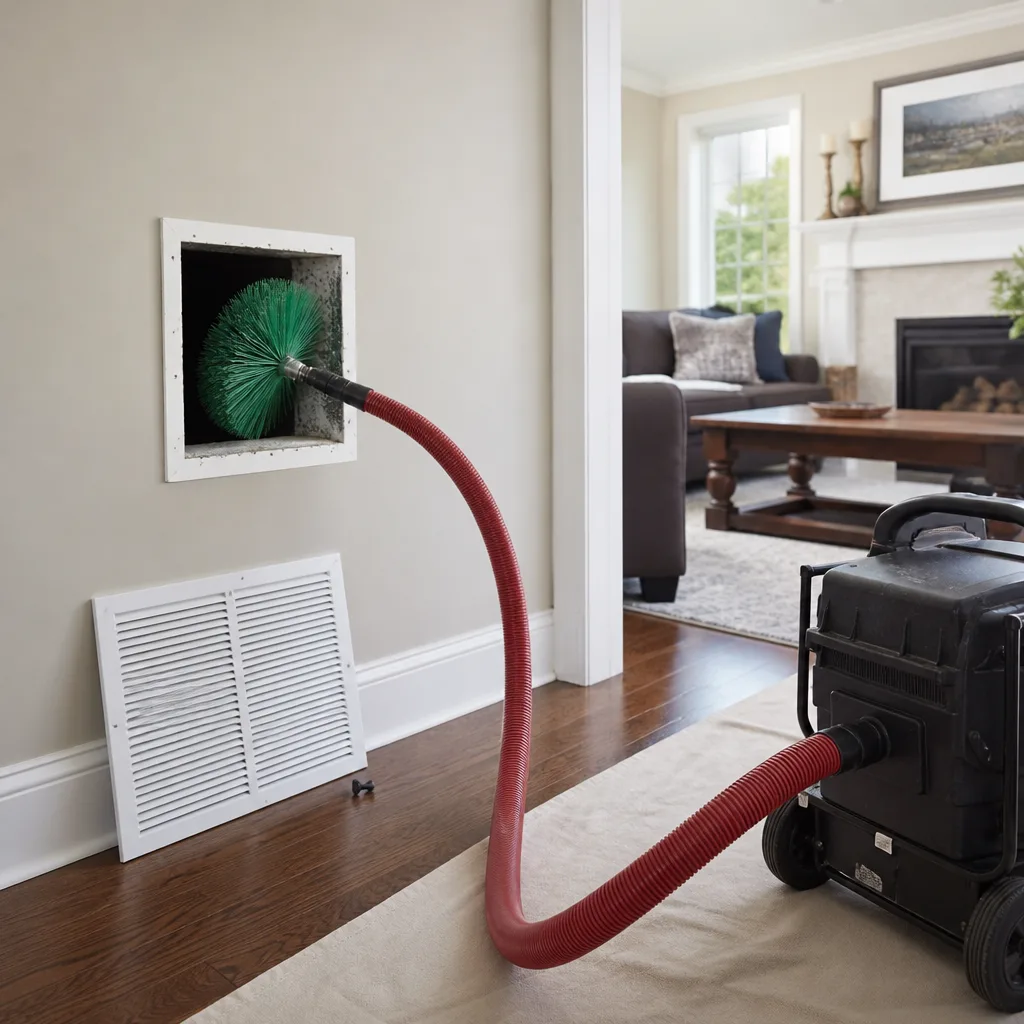
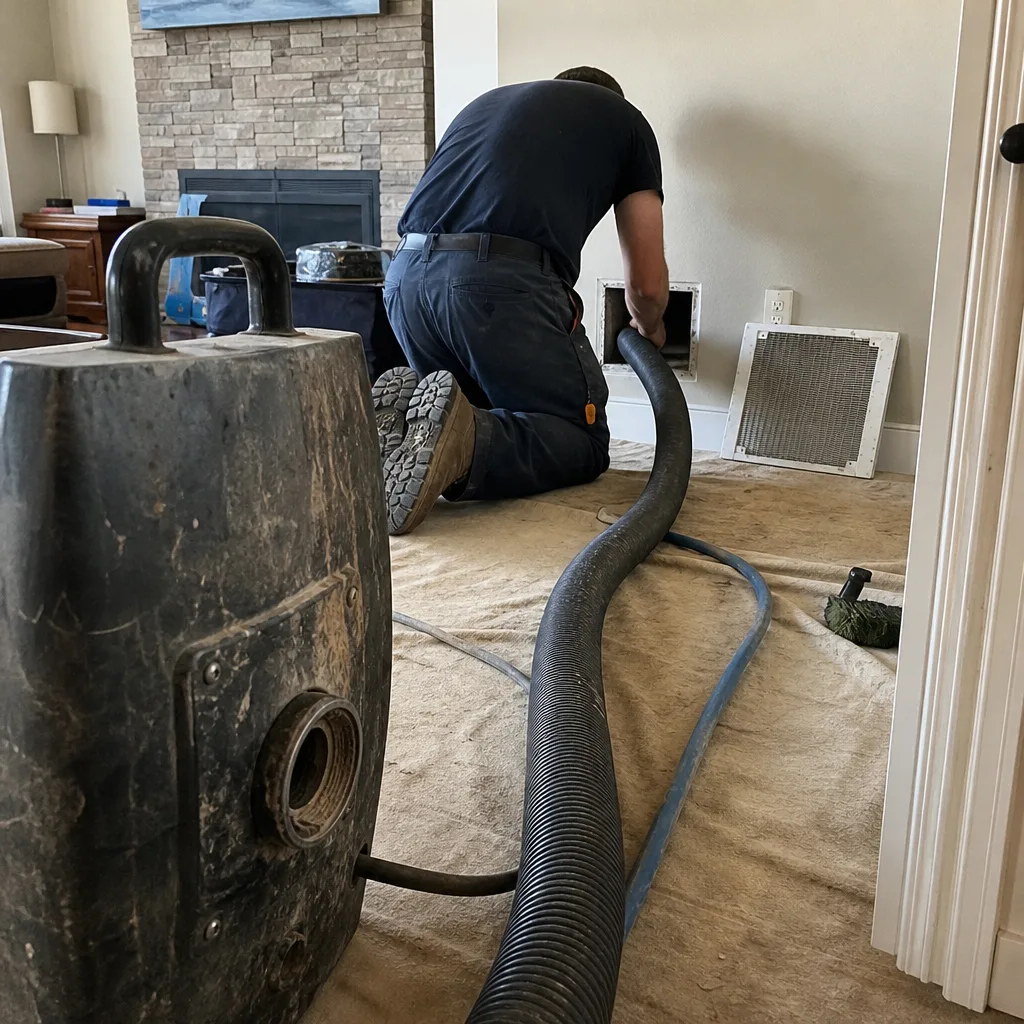
Cleaning ducts with a shop vacuum and a brush isn’t cleaning. It’s redistributing. The dust that coats duct surfaces is fine enough that stirring it up with the wrong tool just pushes it back into the airstream, where it settles again in the same places or ends up in a room you can see. Professional cleaning uses negative pressure – a large HEPA-filtered vacuum pulling air through the system while a mechanically driven brush or air whip dislodges the material. The debris travels out, not into the room. That’s the whole principle.
When we do a Cottonwood Heights air duct cleaning job, we use professional-grade Rotobrush and Nikro negative-pressure systems for the ductwork itself, and Abatement Technologies equipment for jobs that call for contaminant control beyond routine dust – allergen loads, mold spores, and fine airborne particulates left over from smoke or renovation events. For a system that needs disinfection on top of cleaning, a Guardsman-grade sanitizing treatment addresses both microbial growth and odor. And because ductwork rarely fails alone, we can assess and upgrade filtration in the same visit – if the current setup is a 1-inch filter slot against a system that really wants a media cabinet, adding an Aprilaire or Honeywell solution here makes more sense than pretending the filter is fine.
Equipment grade is also why the honest pricing conversation is possible. A thorough job takes longer because it actually removes what’s in the system. Consumer-grade tools can’t do that, and companies that quote per vent using a cheap vacuum eventually have to make up the difference somewhere else.
Common Mistakes to Avoid
We’ve seen the same handful of mistakes across hundreds of Cottonwood Heights homes. Each one turns a manageable problem into a bigger one, and most of them come from good intentions.
- Treating dust at the registers as the only signal. Surface dust is the least reliable indicator of duct condition. Odor, performance change, and trigger-event history are far more diagnostic. If you only look at the grilles, you miss most of the real signal.
- Ignoring the musty smell through the whole first heating season. This is the single most common mistake we see. By spring, the microbial growth has had months to spread through the plenum and coil. Deal with it when it appears.
- Hiring on price alone and getting a per-vent quote. A per-vent price is easy to undercut and easy to inflate once the technician is on site. Ask for a flat price per system, agreed before work starts, and ask what’s actually included in the scope.
- Skipping the dryer vent because “the ducts got cleaned.” Dryer vents are a separate fire risk and are not handled by duct cleaning alone. If you’re already scheduling service, take care of both. Here’s more on dryer vent cleaning.
- Running the system through a renovation without upgrading filter coverage. Drywall dust is abrasive and heavy. If you’re doing a remodel, plan for a filter change and an inspection after, not just before.
- Assuming clean ducts fix every comfort issue. Duct cleaning handles contamination and airflow, but a crushed flexible run or an undersized return needs repair, not just cleaning. If the ducts are dirty and damaged, they need both addressed together.
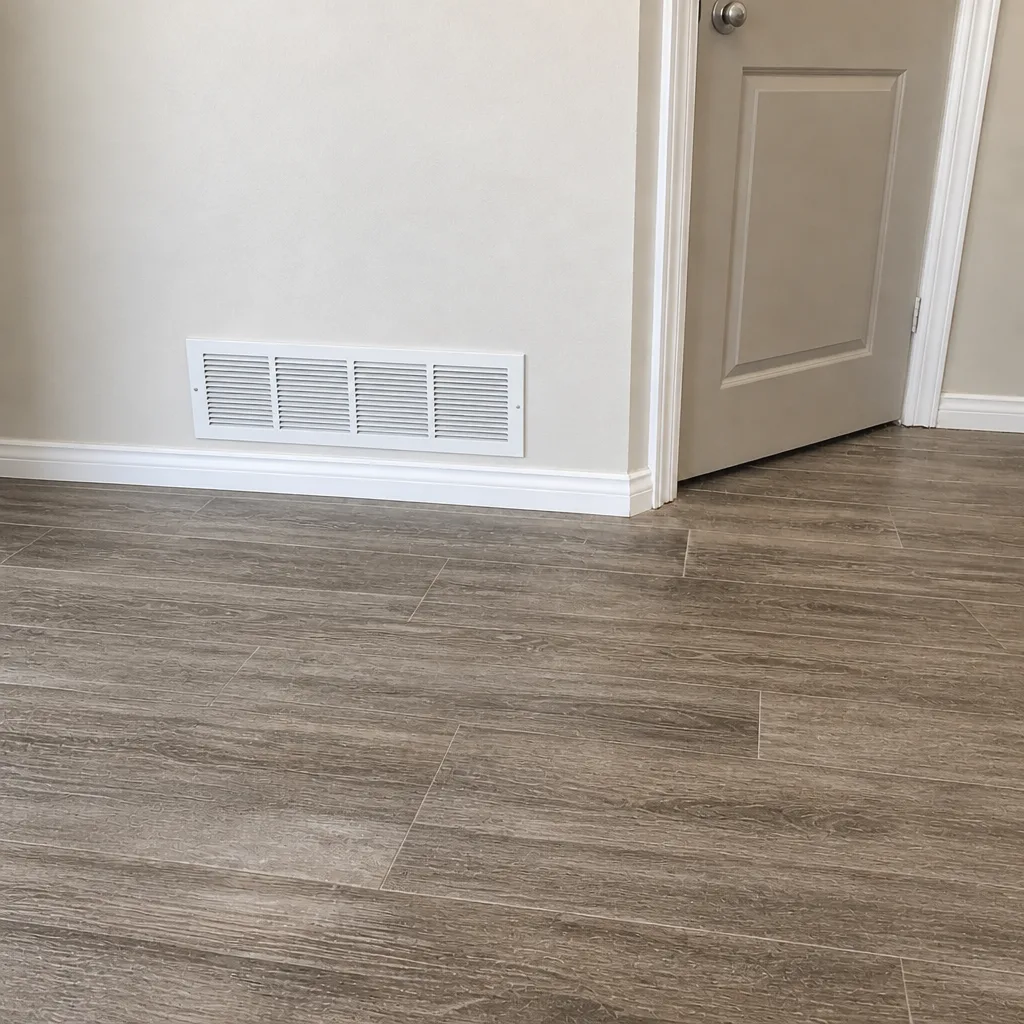
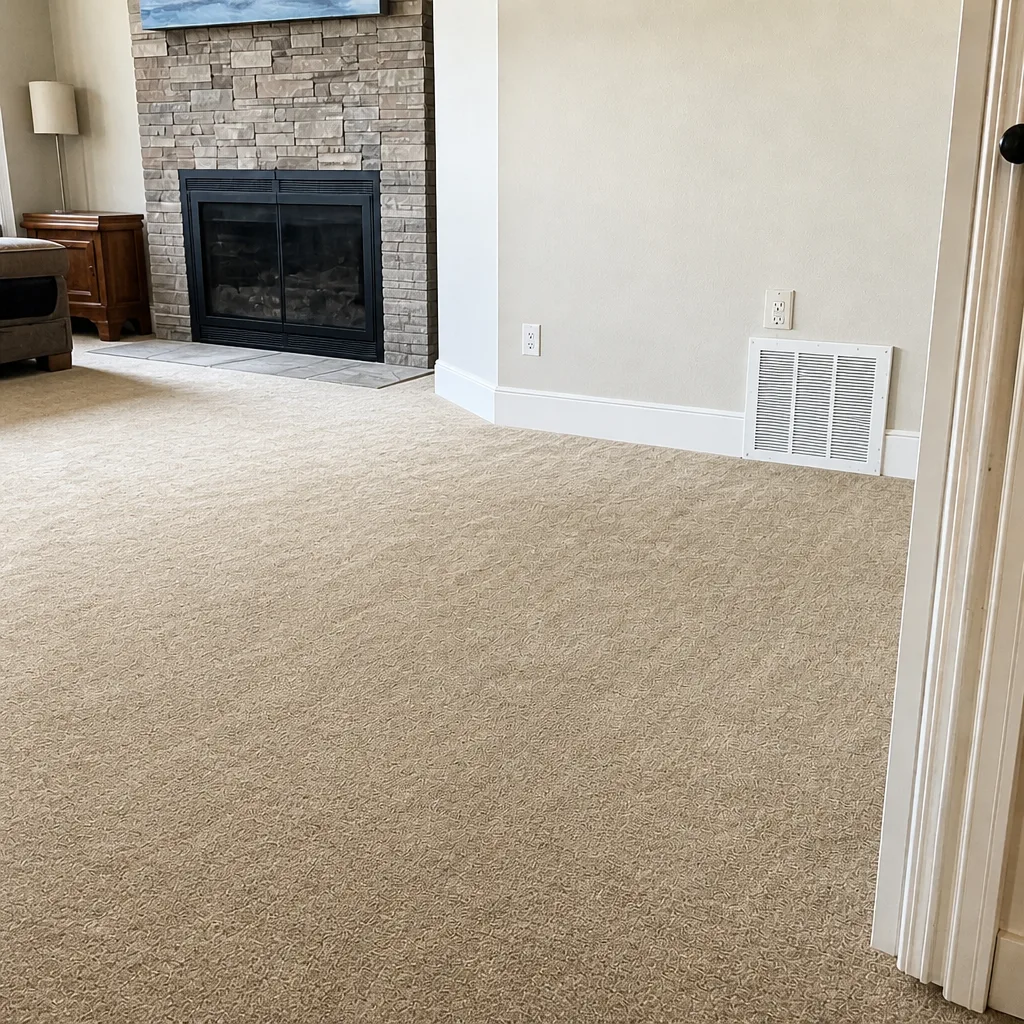
- Not asking for before-and-after documentation. You should be able to see the difference in your own ducts, not take a technician’s word for it. If photos of your system isn’t offered, ask.
See the difference
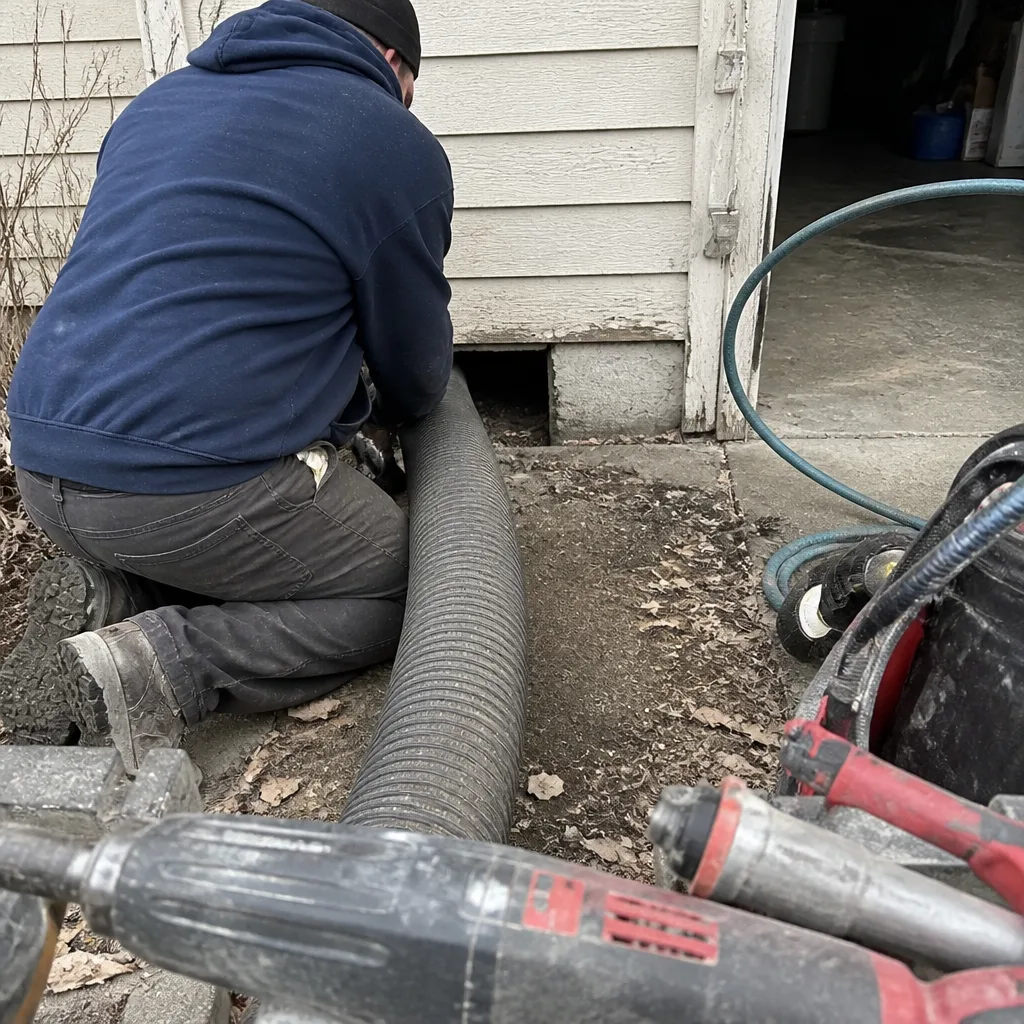 Before
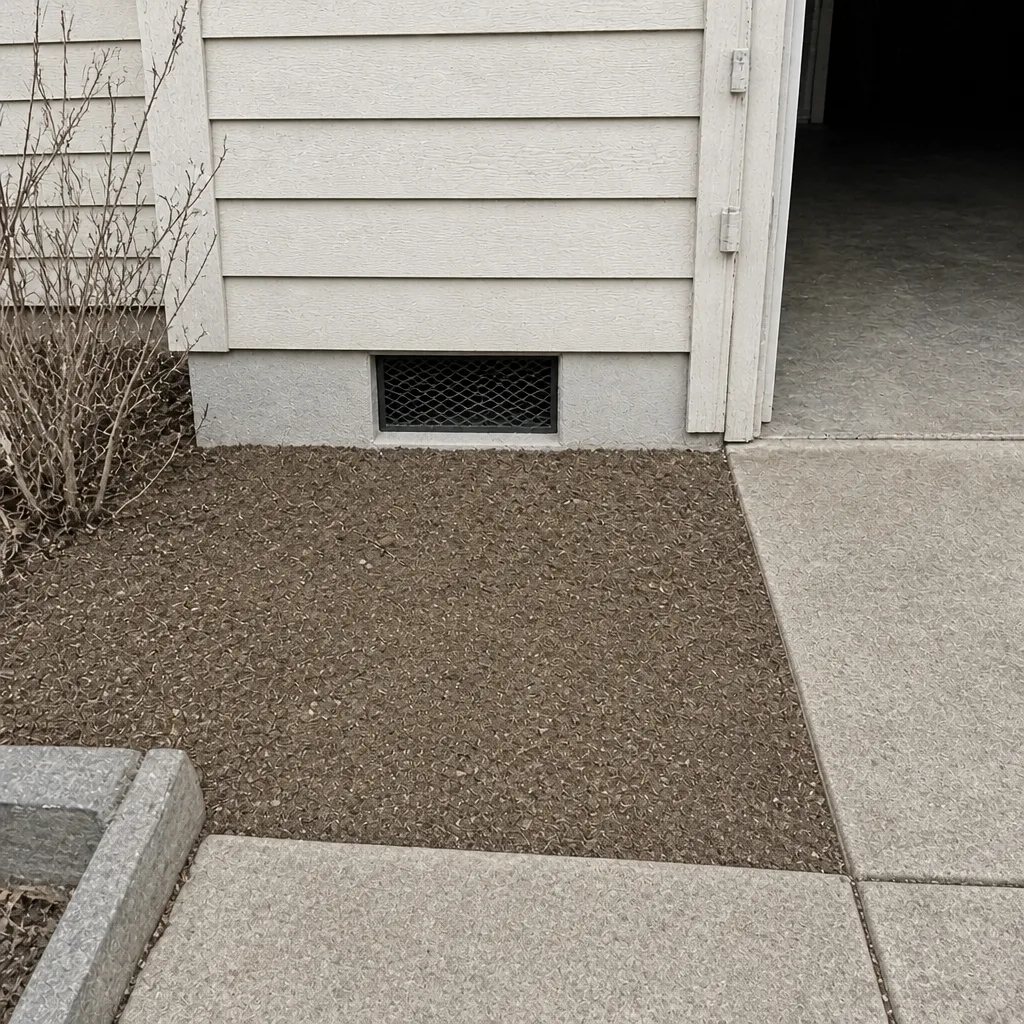 After
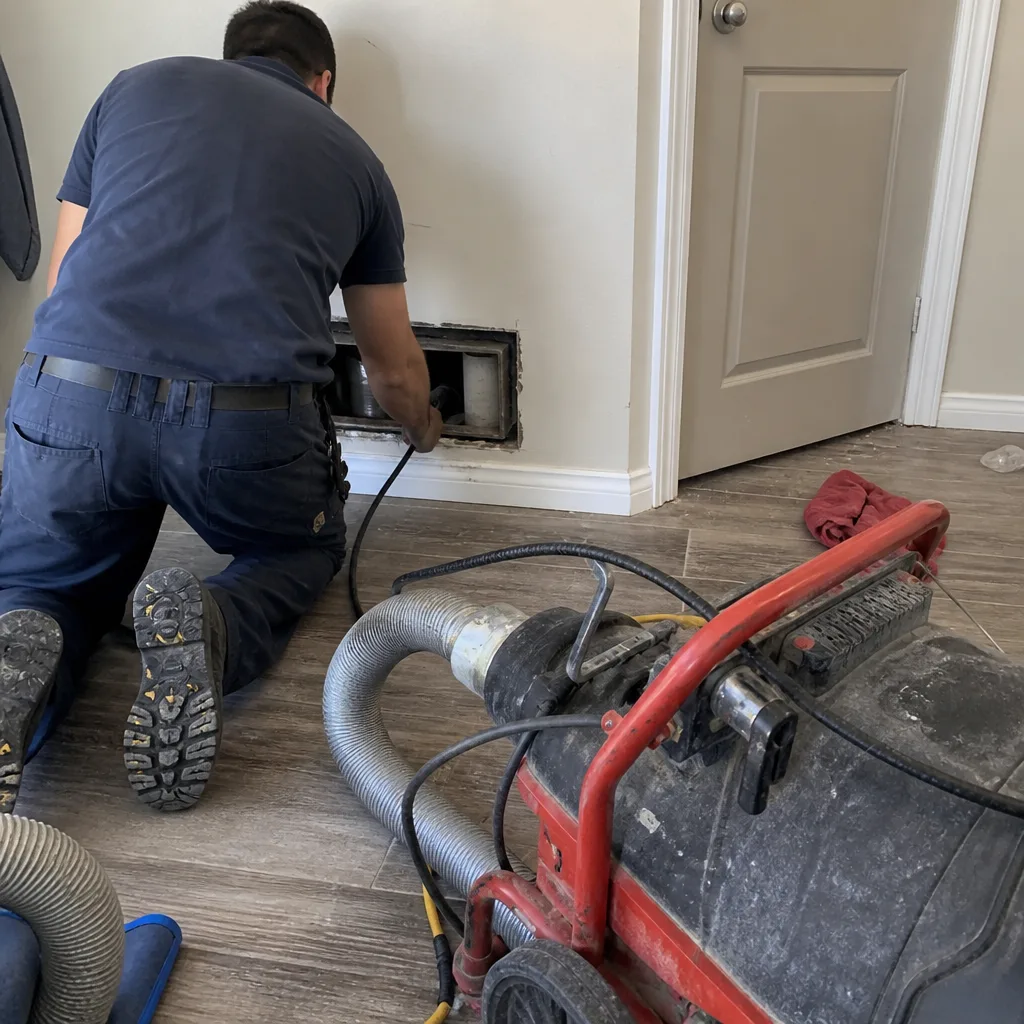 Before
 After
 Before
 After
When to Call a Professional
Call a professional when you’re seeing any of the same-week signals above, or when you’re unsure and want an honest assessment before deciding. The specific scenarios that most often warrant a call: a musty smell that returns every heating or cooling season, visible mold or dark oily film anywhere in the air path, rodent evidence around return grilles or in the attic, any moisture event that touched the system, a burning smell that doesn’t clear, or persistent performance issues after a renovation or smoke event. If you’re considering air duct cleaning because the visible signs have piled up, that’s the right instinct – the only question is scope. Cottonwood Heights Air Duct Cleaning offers free estimates in Cottonwood Heights; call (866) 937-8903 and describe what you’re seeing. Our technicians have up to 13 years of experience and can usually tell you on the phone whether an inspection makes sense. Call (866) 937-8903. We answer 24/7. Fast dispatch from 7am to 7pm, Sunday through Friday.
Frequently Asked Questions
Air duct cleaning in Cottonwood Heights typically runs as a flat price per system rather than per vent, and the exact figure depends on system access, number of zones, and whether repair, sealing, or sanitizing is included. We don’t quote per-vent prices and we don’t quote teaser rates; the written estimate sets the final price, and it’s agreed before any work starts. Call (866) 937-8903 for an exact quote – estimates are free.
Cheap quotes almost always use a fraction of the equipment and labor. A one-hour job with a shop vacuum and no negative pressure can’t remove the same contamination a full professional system can, and the technician ends up recommending extra services once they’re on site to make the visit profitable. We quote one flat price per system up front, with before-and-after photos of your actual ducts, so there’s no gap between the price you were shown and the price you pay. Call (866) 937-8903 and compare the scope, not just the number.
Ask for before-and-after photos of your own system, not stock images, taken at the access points the technician used. A professional-grade job always produces visible evidence of change at the return plenum, air handler, and supply branches. If a company can’t show you your own ducts, that’s the answer to the question. Call (866) 937-8903 to schedule an assessment.
Most Cottonwood Heights homes fall into a three-to-five-year range for routine cleaning, but trigger events reset the clock: wildfire smoke, renovations, water intrusion, or rodent activity all justify an inspection regardless of the calendar. Homes with allergies, pets, or a recent move-in often move to a shorter interval. Call (866) 937-8903 and describe your situation – we’ll tell you honestly whether you’re due.
Usually, yes. A musty smell that appears when the fan starts and fades once air is moving is almost always microbial growth in the air handler, drain pan, or supply plenum. It’s the most reliable early sign of a duct system needing attention, and it’s worth an assessment as soon as you notice it rather than waiting through the season. Call (866) 937-8903 and we’ll help you confirm it.
Sometimes, but not always. Uneven temperatures are caused by airflow restriction, and duct contamination is one cause; a crushed flexible run, failed damper, or undersized return is another. A proper assessment identifies which one you have before recommending the fix. Cleaning solves the contamination; repair and sealing solve the restriction. If you’re seeing persistent hot and cold spots in Cottonwood Heights, call (866) 937-8903 so we can look at the whole picture.
The Bottom Line
Duct warning signs are quiet, cumulative, and easy to dismiss. The musty smell, the filter that loads faster than it used to, the bedroom that never warms up, the register that looks worse than the others – each one is a small signal that becomes a bigger problem when left alone through a season. Treat odor, visible contamination, and post-event triggers as calls this week. Treat performance drift and single-register buildup as calls this month. Treat light surface dust as something to monitor. The point isn’t worry – it’s clarity. Clean ducts, sealed ducts, healthy air: that’s the standard we work to, and it starts with naming what you’re seeing. Call (866) 937-8903 for a free estimate and honest assessment.
Whether the work ahead is a full air duct cleaning or a broader HVAC cleaning that covers the air handler and coil, the first step is the same: get a specific assessment from someone with the right equipment. That’s what Cottonwood Heights Air Duct Cleaning is set up to do, and the dryer vent safety conversation belongs in the same visit if you haven’t had that looked at. If the goal is a full system reset – clean, seal, sanitize, filter – we can do all of it without coordinating anyone else. Call (866) 937-8903. We answer 24/7. Fast dispatch from 7am to 7pm, Sunday through Friday.
Written by the team at Cottonwood Heights Air Duct Cleaning.