
Last updated November 24, 2026
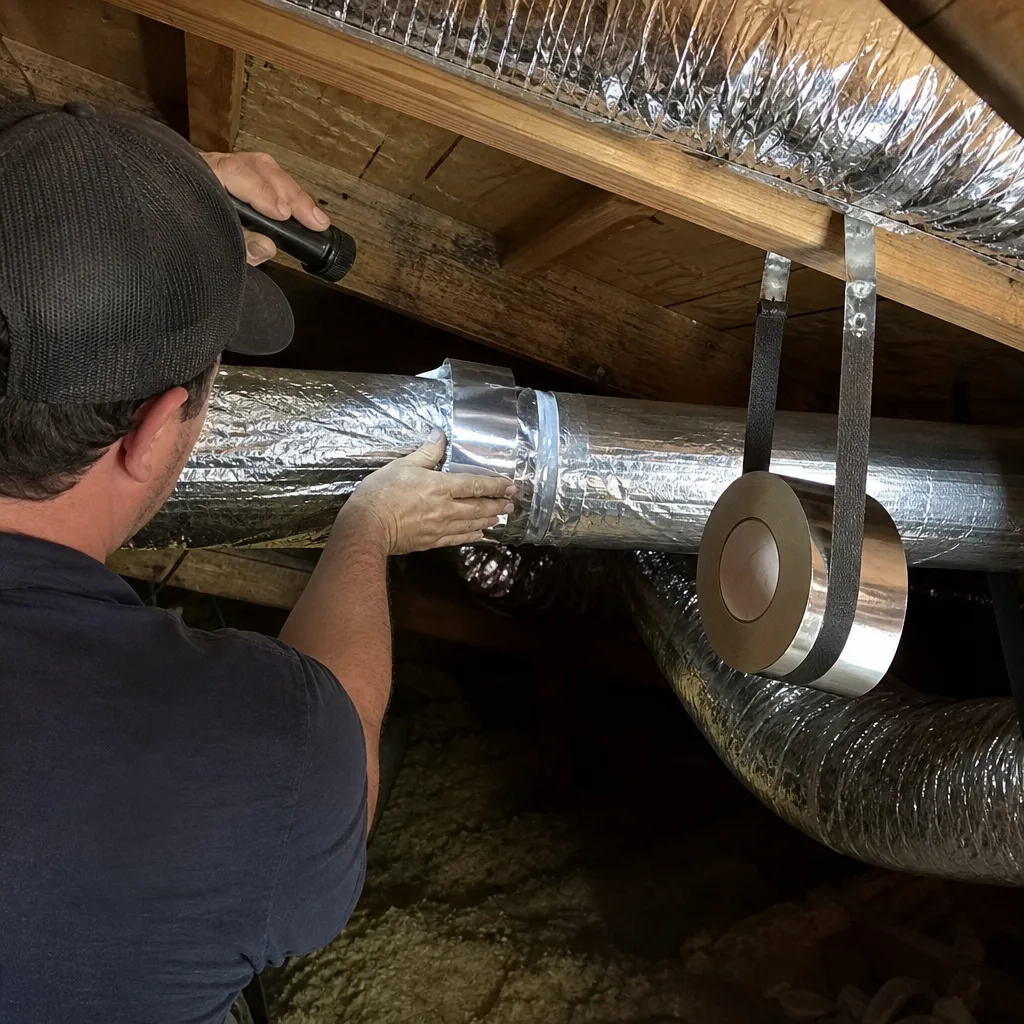
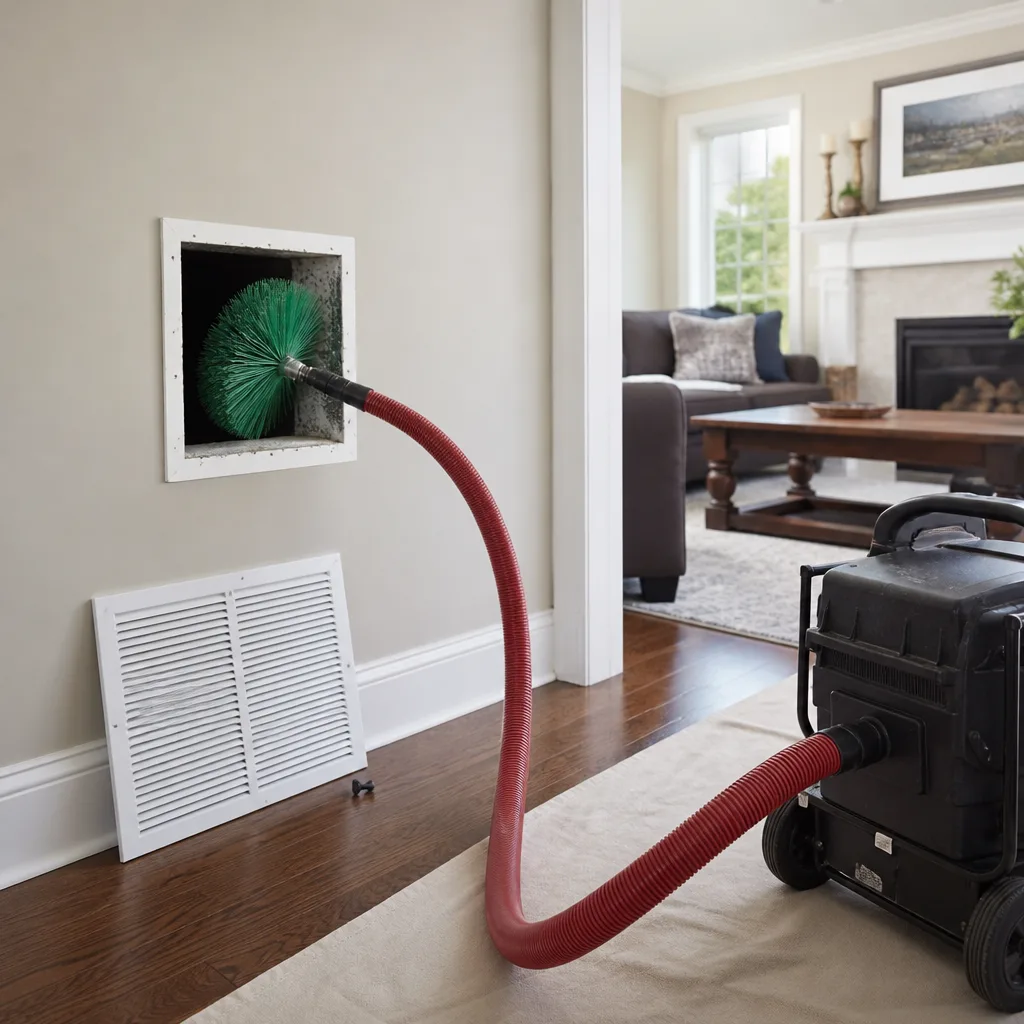 Whole-home duct cleaning
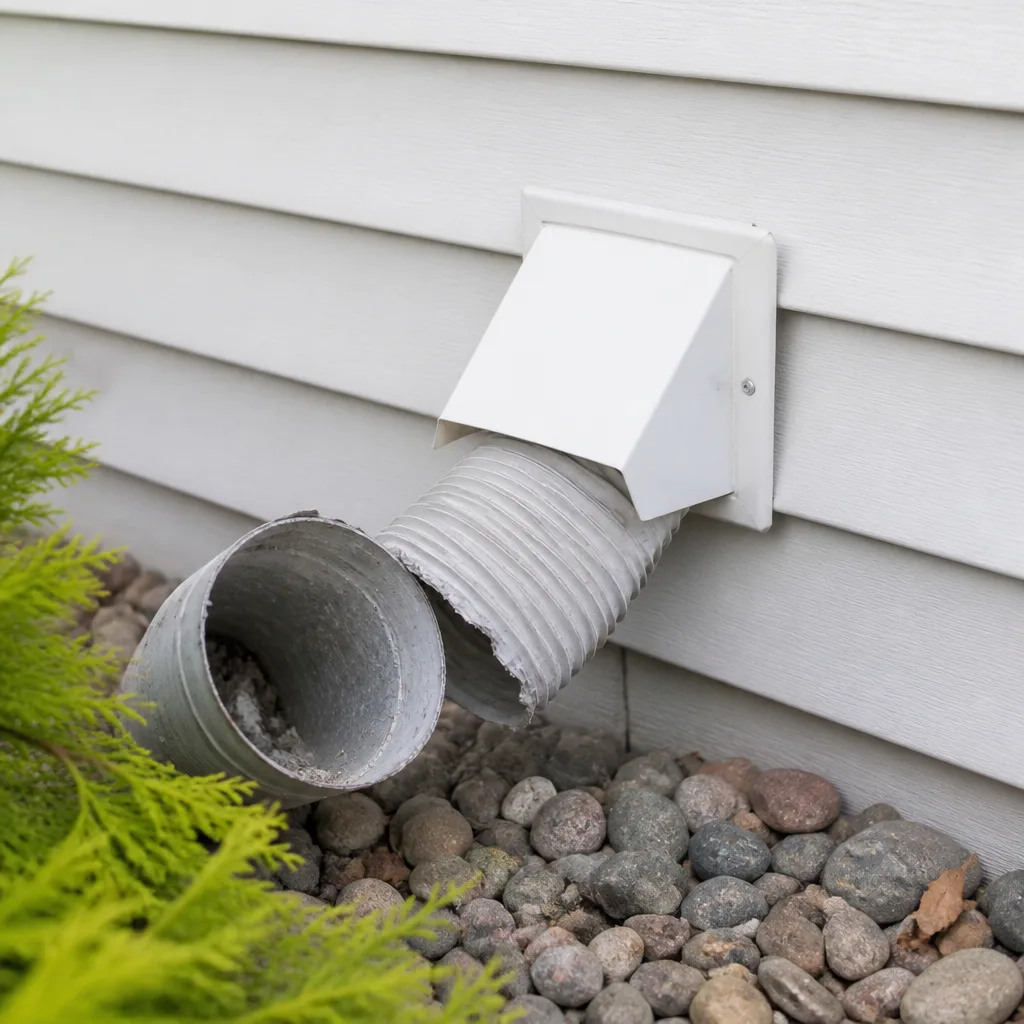 Dryer vent cleaning
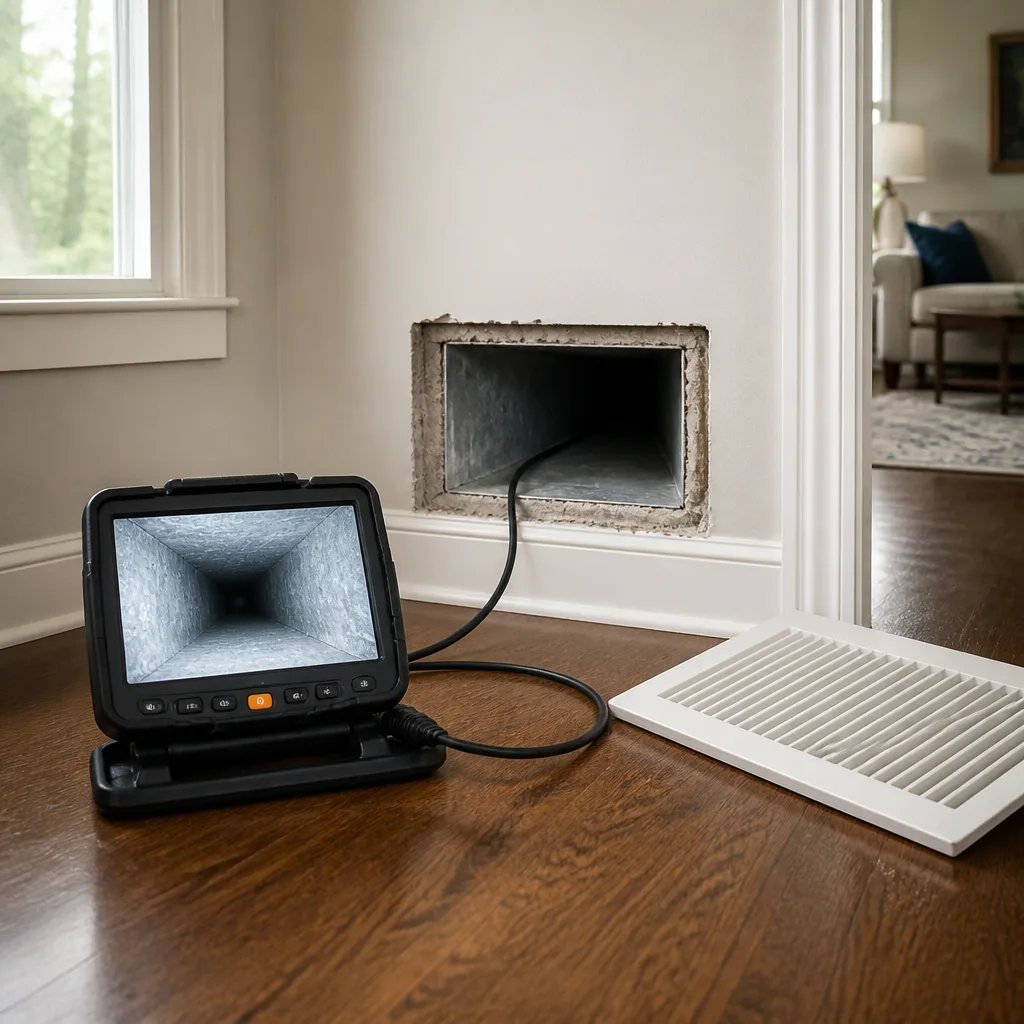 Camera inspection
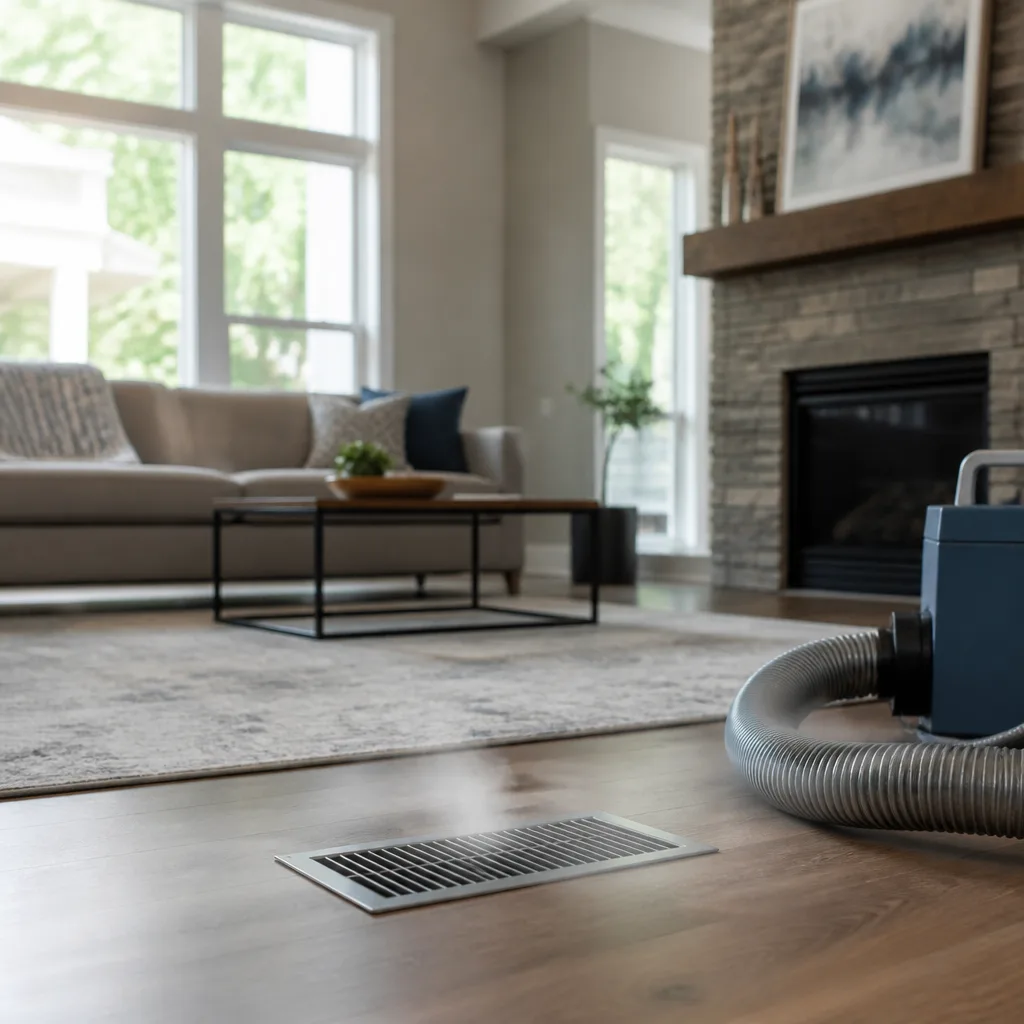 Sanitizing & deodorizing
Whole-system duct and dryer vent check with before-and-after photos - you see exactly what came out of your vents
That "$99 whole-house special" is a bait ad - the real number appears once they are in your hallway, or the "clean" is a shop-vac at the register. We photograph the inside of your ducts before and after instead.
The Complete Guide to Air Duct Cleaning in Cottonwood Heights
The EPA doesn’t recommend routine duct cleaning for every home. It does say that contaminated systems should be cleaned thoroughly. The gap between those two statements is where most contractors hide substandard work. In Cottonwood Heights, that gap matters more than the national average, because our winters trap particulate in the valley for weeks and our summer smoke seasons push fine ash into every return grille. This guide maps what a legitimate job looks like: the equipment that separates source removal from a shop-vac sweep, why a system inspection has to come first, and what you should see, smell, and receive in writing when the work is finished.
Quick Answer
Air duct cleaning in Cottonwood Heights is a multi-step procedure that uses negative-pressure vacuum equipment and mechanical agitation to physically remove dust, debris, and biological growth from the supply and return system, followed by inspection, repair, and sealing. A thorough job addresses the whole HVAC system, not just visible registers, and includes dryer vent evaluation when the layout allows. Homeowners in Cottonwood Heights should expect a written scope, before-and-after documentation of their own ducts, and a flat price per system agreed before any work begins.
Styles & brands we work with
- Whole-home duct cleaning
- Dryer vent cleaning
- Camera inspection
- Sanitizing & deodorizing
Table of Contents
- Why Cottonwood Heights Ductwork Ages Differently
- What Actually Happens During a Professional Cleaning
- Source Removal vs. Blow-and-Go: The Equipment Difference
- Why Inspection Comes Before Cleaning
- Repair and Sealing: The Step Most Companies Skip
- Filters, Filtration, and Air Quality Hardware
- The Dryer Vent Connection
- What You Should See, Smell, and Receive After the Job
Why Cottonwood Heights Ductwork Ages Differently
Cottonwood Heights sits at the base of Big and Little Cottonwood Canyons, and the geography shapes what ends up in your ducts. Cold air drains down those canyons at night and pools against the Wasatch bench, which is part of why winter inversions hold so tightly along the east side of the valley. During an inversion, particulate from wood smoke, vehicle exhaust, and road dust doesn’t disperse. It settles into return grilles and cycling filters at higher rates than the national average. Then summer wildfire smoke arrives and adds fine ash to the same system.
The climate does something else too. This is a dry, high-elevation environment, and static charge builds readily on galvanized duct walls and flex duct liners. That static pulls light dust to the surface and holds it there rather than letting it travel through to the filter. What that means in practice: ductwork in Cottonwood Heights accumulates visible dust along the interior walls and ridge lines faster than homeowners expect, even in homes that run a filter on schedule.
Housing stock adds a wrinkle. The neighborhoods along the bench (Cottonwood, Wasatch Boulevard, the streets off Fort Union) include a large share of homes built in the 1970s through 1990s, when flex duct runs and sheet-metal trunk lines were installed with less attention to sealing at joints than we’d specify today. Loose joints pull unconditioned attic or crawlspace air into the system. That air carries insulation fibers, dust, and on the Wasatch bench, plenty of fine soil particulate.
So the picture here isn’t just “dusty ducts.” It’s a system under steady particulate load, sitting in a dry climate that encourages accumulation, with a housing stock more likely to have unsealed joints. That’s the context that makes a system diagnosis worth more than a quick sweep.
What Actually Happens During a Professional Cleaning
A proper air duct cleaning is a sequence, not a single pass. The order matters because each step depends on the one before it. Here is the general flow a trained technician should follow, described at the level of what happens rather than a how-to.
- Walkthrough and system mapping. The technician counts supply and return registers, traces the trunk and branch layout, and identifies the air handler. You get a scope of work with counts and locations.
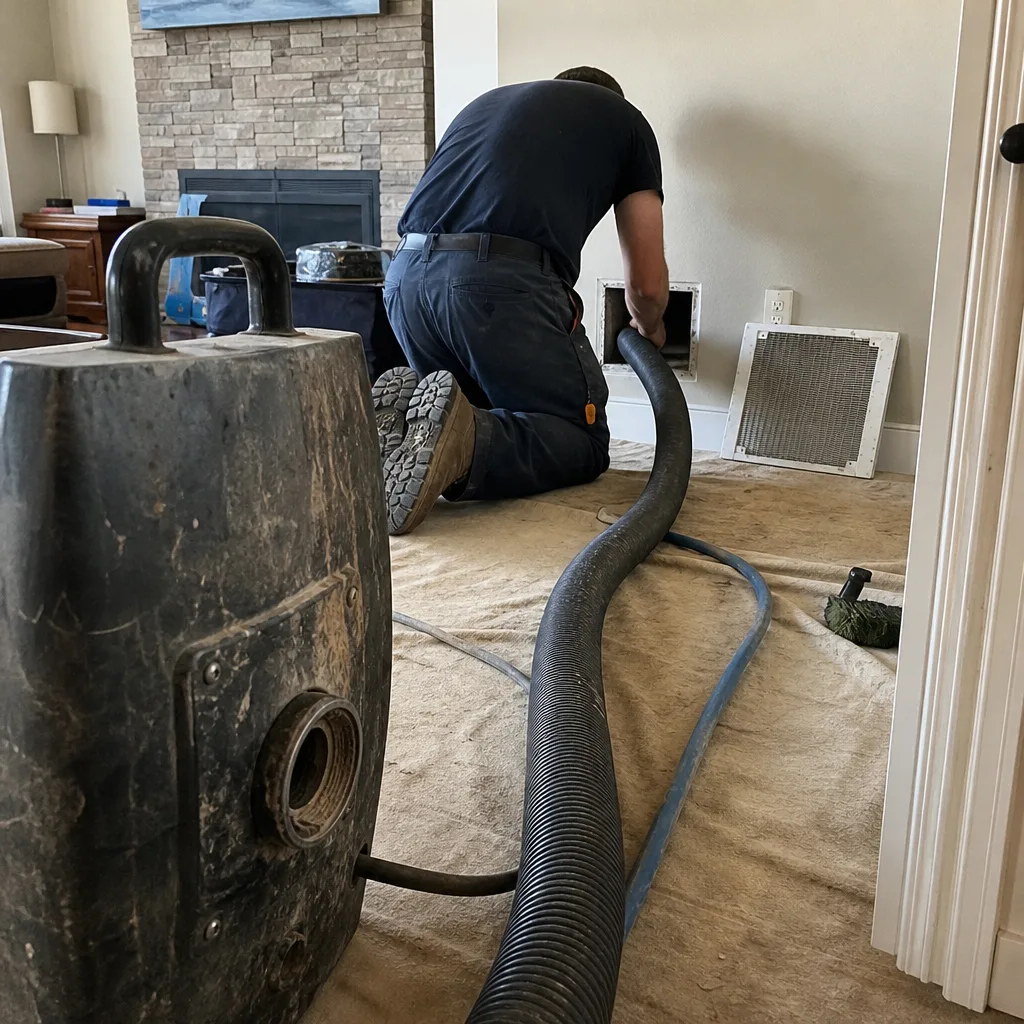
- Negative-pressure setup. A high-powered vacuum (Rotobrush or Nikro negative air equipment) connects to the main trunk, creating continuous suction that keeps dislodged debris moving toward the unit rather than into your living space.
- Mechanical agitation. Each branch run is worked from the register end toward the trunk using rotary brushes and air whips. Agitation is what loosens adhered dust from the duct walls; suction alone does not lift it.
- Register and grille cleaning. Supply and return covers are removed, cleaned separately, and reinstalled.
- Air handler and coil assessment. The blower compartment and evaporator coil are documented before and after. The coil often holds more contamination than the ducts themselves.
- Contaminant control. Where microbial growth or heavy odor is present, Abatement Technologies equipment and Guardsman-grade sanitizing treatments address particulates and microbial load at the remediation level, not just the surface.
- Post-cleaning documentation. Before-and-after photos of your ducts, the air handler, and the coil, plus a written summary of what was found and what was done.
That’s the honest version. When a company skips negative pressure, skips agitation, or cleans only the trunk and not the branch runs, the job looks finished from the register but leaves most of the system untouched.
Source Removal vs. Blow-and-Go: The Equipment Difference
Source removal means physically removing the contaminant from inside the duct and taking it out of the house. Blow-and-go means a technician runs compressed air through the system and lets the debris redistribute into your living space or settle back into the ducts once the air handler restarts. One cleans the system. The other masks it for a few days.
The equipment tells you which job you’re buying. Here’s what to look for:
- Rotobrush systems. These combine a rotary brush with a high-efficiency vacuum in one unit, working the branch runs from the register inward. They’re the standard for residential source removal.
- Nikro negative air machines. These maintain continuous vacuum at the trunk and HEPA-filter the exhaust, which is what keeps your indoor air from getting worse during the cleaning.
- Abatement Technologies equipment. These units are designed for contaminant control at a remediation level, the same class of equipment used in restoration work. If a company shows up with a shop vacuum and a length of pool hose, that’s a different service entirely.
Ask two questions before you book anyone: What vacuum system do you use, and how do you agitate the branch runs? A company that answers clearly with equipment names and method is a company that does source removal. A company that says “we use a truck-mounted vacuum and high-pressure air” without describing agitation is describing a blow-and-go.
One more thing. A basic shop vacuum, even a good one, can’t hold negative pressure across a whole system or filter its own exhaust. Pushing air into a closed duct system with a shop vac just relocates dust. Professional-grade equipment exists because the physics of a residential duct system demand it.
Why Inspection Comes Before Cleaning
Cleaning a duct system without inspecting it first is like changing the oil without checking for a leak. You’ve addressed one symptom while leaving the cause in place. Our technicians have up to 13 years of experience, and the pattern we see in Cottonwood Heights is consistent: the ducts themselves are only part of the story. The rest is the system around them.
Here’s what inspection typically surfaces:
- Unsealed joints and gaps. Section connections in the trunk and at branch takeoffs often leak. In a Cottonwood Heights home with attic runs, those gaps pull in insulation fiber and dust.
- Damaged flex duct. Flex duct that has been kinked, crushed, or torn during a past remodel moves less air and collects more debris at the pinch point.
- Moisture and mold indicators. Galvanized duct surfaces that stay cool during cooling season can develop condensation and biological growth. Any evidence of this changes the cleaning protocol.
- Worn or failed insulation. Liner that has separated from the duct wall becomes a dust trap and an air-quality contributor on its own.
- Filter and air handler condition. A filter that’s undersized for the system, or a blower wheel that’s loaded with dust, affects airflow through the whole house regardless of duct condition.
When inspection findings are addressed in the same job, cleaning is the first step in a complete system restoration. When they aren’t, cleaning removes what’s there but the system starts accumulating again from the same sources. That’s why a thorough inspection comes first, and why we repair what we find rather than filing it away for a follow-up appointment.
Repair and Sealing: The Step Most Companies Skip
Picture a cleaning job with no sealing afterward. The ducts are clean. The joints still leak. Within a season, the same attic particulate has pulled back into the branch runs through the same gaps. The homeowner, understandably, concludes duct cleaning doesn’t work. What actually happened is that the cleaning was never paired with the repair that would have made it last.
Duct repair and sealing in Cottonwood Heights usually addresses three common failure points:
- Trunk and branch takeoff joints where flex or sheet-metal sections have separated or lost their mastic seal.
- Collapsed or torn flex runs routed through tight attic spaces and hot summer temperatures.
- Disconnected returns in crawlspaces or attic chases, which quietly pull outside air into the system.
Sealing is what holds the clean state in place, and it also improves system performance. Leaky ducts lose a portion of conditioned air before it reaches the rooms. Sealed ducts deliver the air where you need it and reduce the draw of dust that comes from outside the envelope.
We treat repair and sealing as a natural extension of cleaning, not an upsell. From intake to output, a thorough job ends with clean ducts and sealed ducts. Air that starts clean at the handler should arrive clean at the register. Everything in between is our responsibility.
Filters, Filtration, and Air Quality Hardware
A filter is the first line of defense for the whole duct system. If it isn’t sized and changed correctly, the ducts take the load instead. In Cottonwood Heights, that load is heavier than the national average for the reasons we covered: winter inversions, wildfire smoke season, and the dry, static-prone climate. Filter cycling frequency reflects that.
What to know about filters:
- Choose a filter rated for the system, not the highest number on the shelf. A filter with very high loading resistance can reduce airflow and strain the blower. The right rating depends on your air handler and filter cabinet.
- Change more often during heavy-use seasons. Through the winter inversion months and the wildfire smoke season, filters load faster. Check them monthly during those windows rather than relying on a fixed calendar.
- Seal the filter slot. A filter that fits poorly in its cabinet bypasses around the edges. That gap lets unfiltered air into the system regardless of what the filter is rated for.
Filtration upgrades usually make sense in a home where the system is clean, sealed, and still doesn’t meet the homeowner’s expectations on air quality. We’re authorized to service and recommend Honeywell and Aprilaire filtration and IAQ systems, and we can assess, clean, and upgrade in the same visit. For homes with family members who have allergies or respiratory sensitivities, a properly matched higher-efficiency cabinet filter, or a whole-home filtration unit, can change how the space feels. It’s a system decision, not a filter-box purchase.
The Dryer Vent Connection
Dryer vent cleaning sits on a different risk scale than duct cleaning. The ducts carry comfort. The dryer vent carries heat and moisture, and a blocked vent is a fire risk waiting to be cleared. Lint accumulates at bends, at the transition behind the dryer, and along the run to the outside wall. The restriction builds gradually, so homeowners notice a dryer taking two cycles to dry a load long before they think about the vent.
We treat dryer vent cleaning as a core service, not an add-on. In Cottonwood Heights homes where the laundry sits on an interior wall, the vent run can be longer than the manufacturer intended, and long runs accumulate lint faster. Standard brushes and vacuums reach most of the run, but the transition duct and the outside hood are where the real restriction usually hides.
If you notice any of these, it’s time to have the vent looked at:
- Clothes take a full cycle and still come out damp.
- The dryer body gets hot to the touch during a run.
- The exterior hood flap doesn’t open fully when the dryer is running.
- You can see lint buildup around the vent hood or the transition behind the unit.
The dryer is the appliance most homeowners leave alone until it fails. The vent is the part that should never be left alone. Pairing the vent with the air duct cleaning visit is one way to keep both systems on the same inspection cycle.
What You Should See, Smell, and Receive After the Job
The most reliable way to tell whether a duct cleaning was done right isn’t the before-and-after photo. It’s whether the home feels and smells different over the following weeks, and whether you walk away with documentation that would survive a second opinion.
What a proper job produces:
- A visible difference in your own ducts. Photos of the interior of a supply branch and a return, before and after. Not stock images.
- A mild, not dramatic, smell. Cleaning shouldn’t leave a chemical perfume in the air. Sanitizing treatments applied at the Guardsman grade leave the system clean-smelling, not scented.
- Reduced visible dust on horizontal surfaces within a few days. If the ducts were a major dust source, the change is usually noticeable over a week or two as the system cycles.
- A written summary of findings. Note any leaks, damaged flex, moisture indicators, coil condition, and filter condition that the technician observed, along with what was corrected in the visit.
- A completed work order that matches the agreed scope. Register counts, areas cleaned, and repairs completed. If any of that isn’t documented, ask why.
What a proper job does not produce: a same-day text asking for a five-star review before you’ve had a chance to run the system, a technician who can’t explain what equipment was used, or an invoice that grew because the register count “turned out higher than expected.”
One flat price per system, agreed before any work starts, is the standard. Not per-vent pricing, which lets the number grow once the technician is in your home. Not a coupon price that becomes something else. A flat price and photos of your own ducts. That’s the minimum for a job worth paying for.
Common Mistakes to Avoid
- Booking on price alone without asking about equipment. The single biggest factor in whether the job works is whether source removal equipment is used. Asking about Rotobrush or Nikro systems in the booking call takes a minute and tells you which kind of job you’re buying.
- Skipping the inspection. In Cottonwood Heights homes, unsealed joints and damaged flex in attic runs are common enough that an inspection isn’t optional. If the company doesn’t include it, the clean won’t last.
- Accepting a per-vent price. Per-vent pricing puts a premium on guessing your register count high. A whole-system price agreed up front removes that pressure entirely.
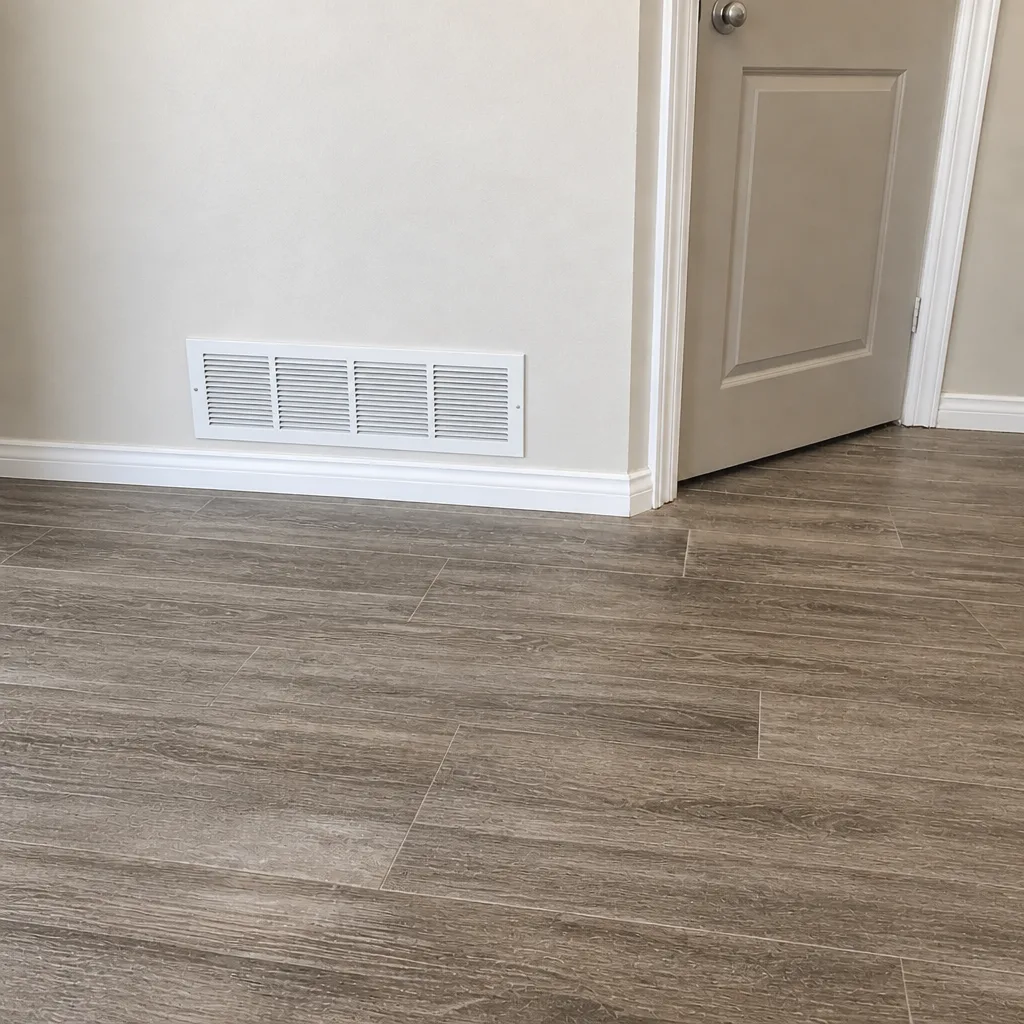
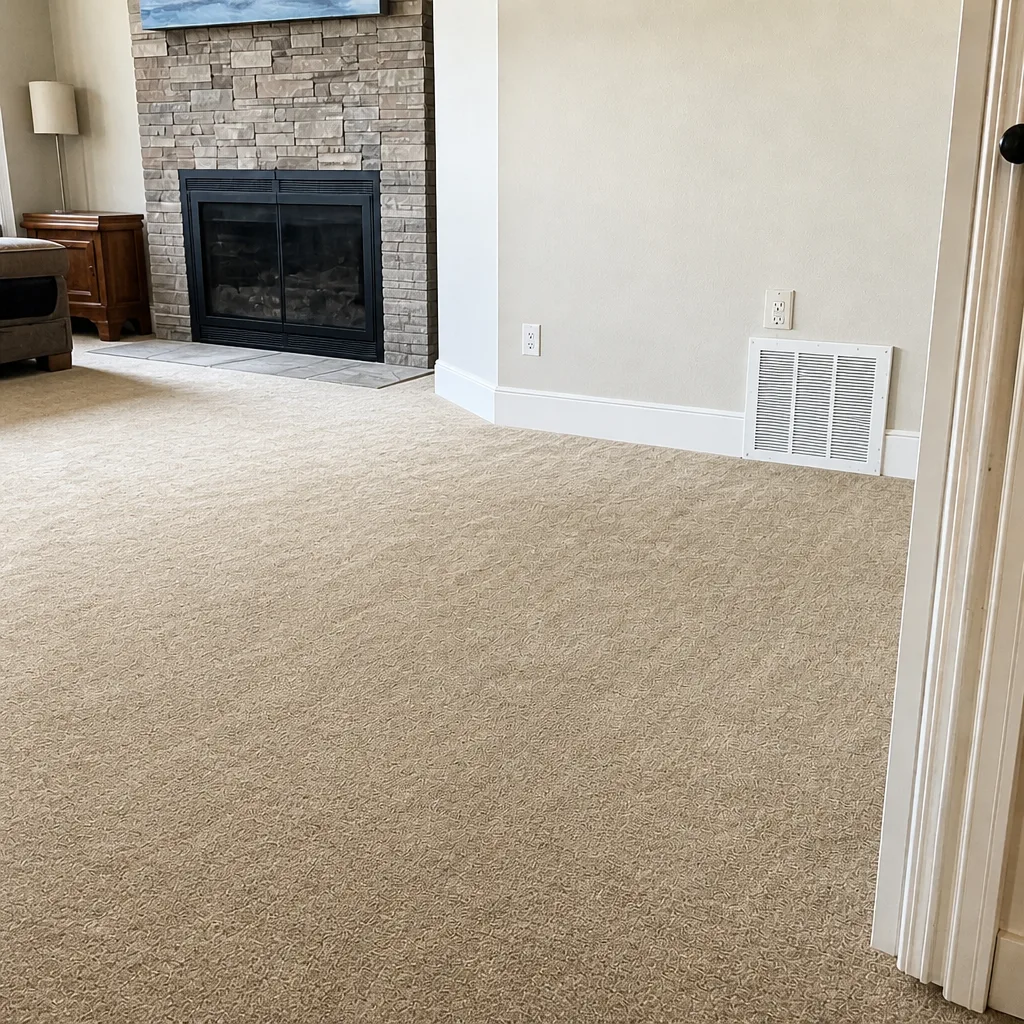
- Assuming a before-and-after photo tells the whole story. Ask whose ducts are in the photo. Ask for photos of your actual branches and your actual air handler. Stock photos tell you nothing about your home.
- Ignoring the dryer vent. A duct cleaning without a dryer vent evaluation misses the highest fire-risk piece of the system. If the vent hasn’t been looked at recently, add it to the visit.
- Upgrading filters before the ducts are clean. A high-efficiency filter downstream of a contaminated duct system loads up quickly and can restrict airflow. Clean, seal, then upgrade filtration.
- Assuming a stronger filter always helps. A filter that’s mismatched to the air handler can reduce airflow and hurt performance. Filtration should be sized to the system, not chosen by MAX rating.
See the difference
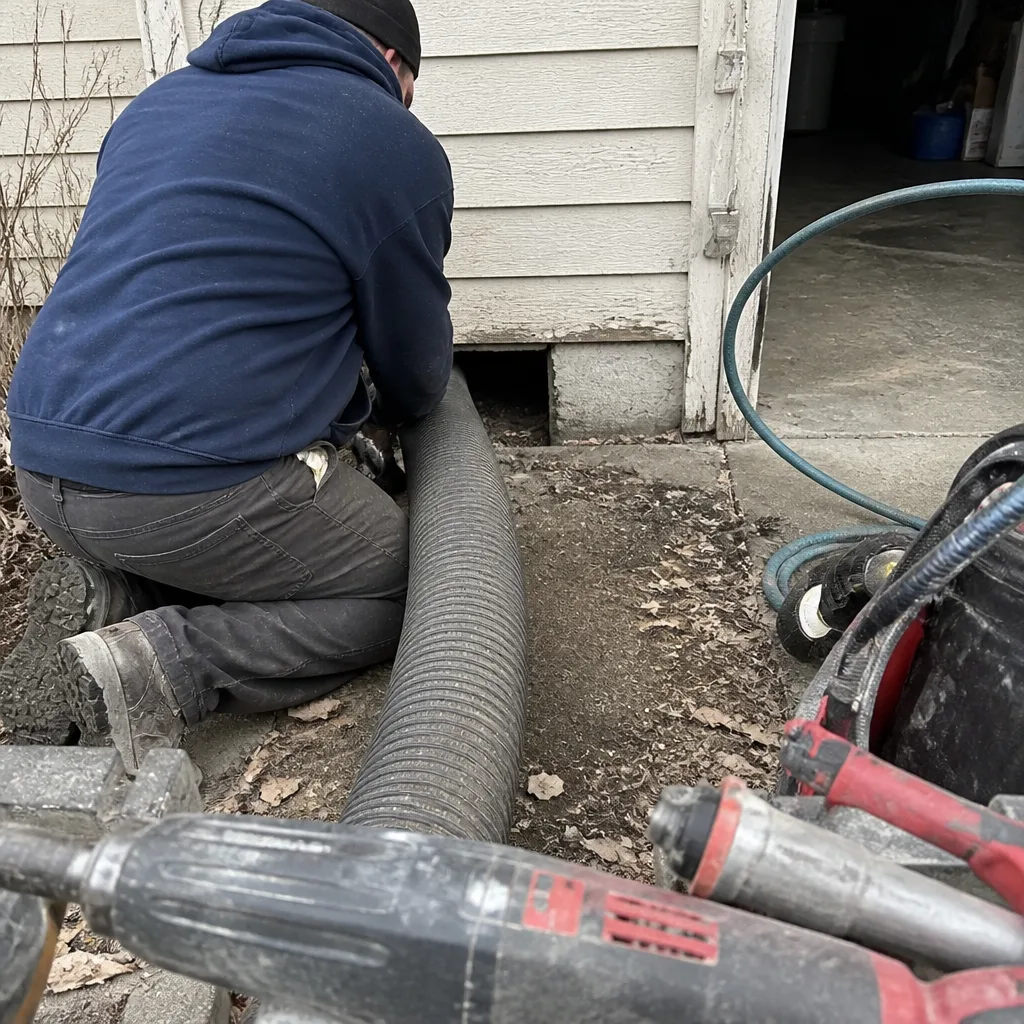 Before
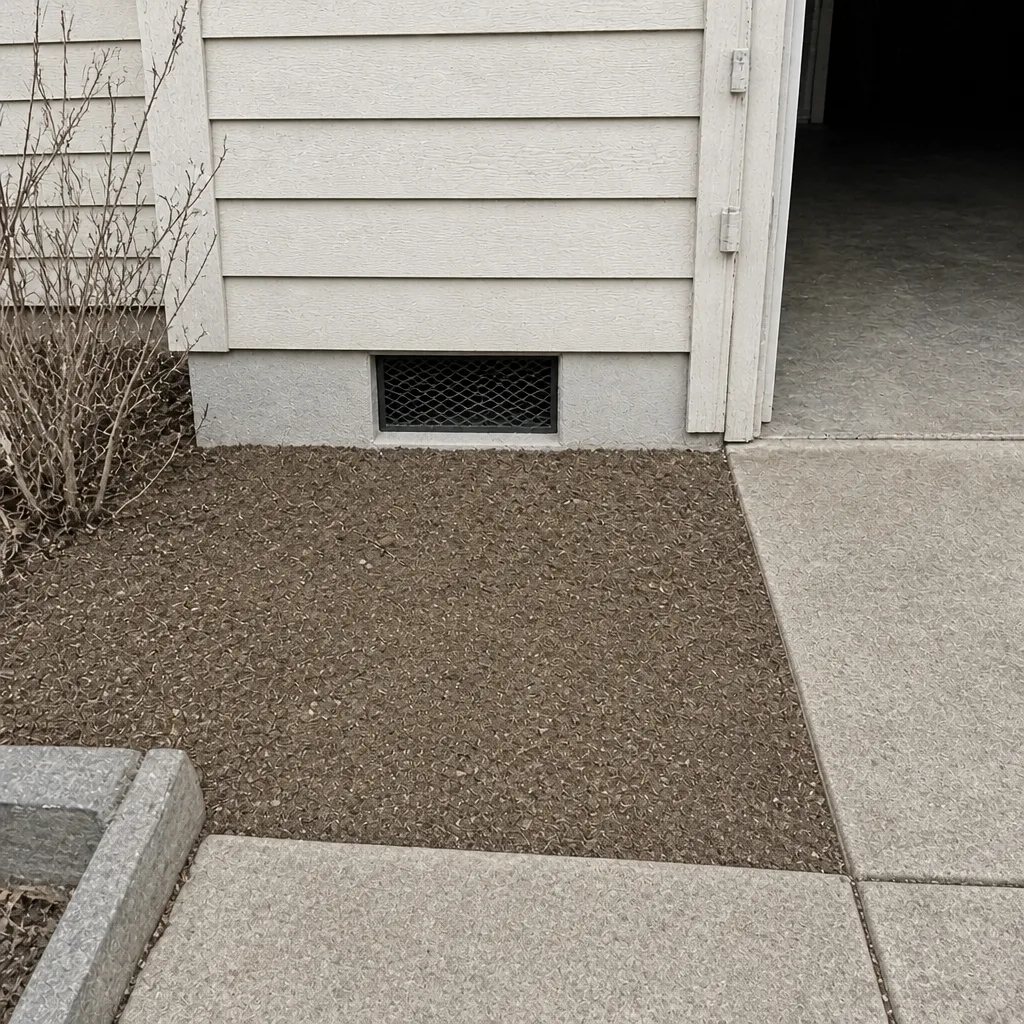 After
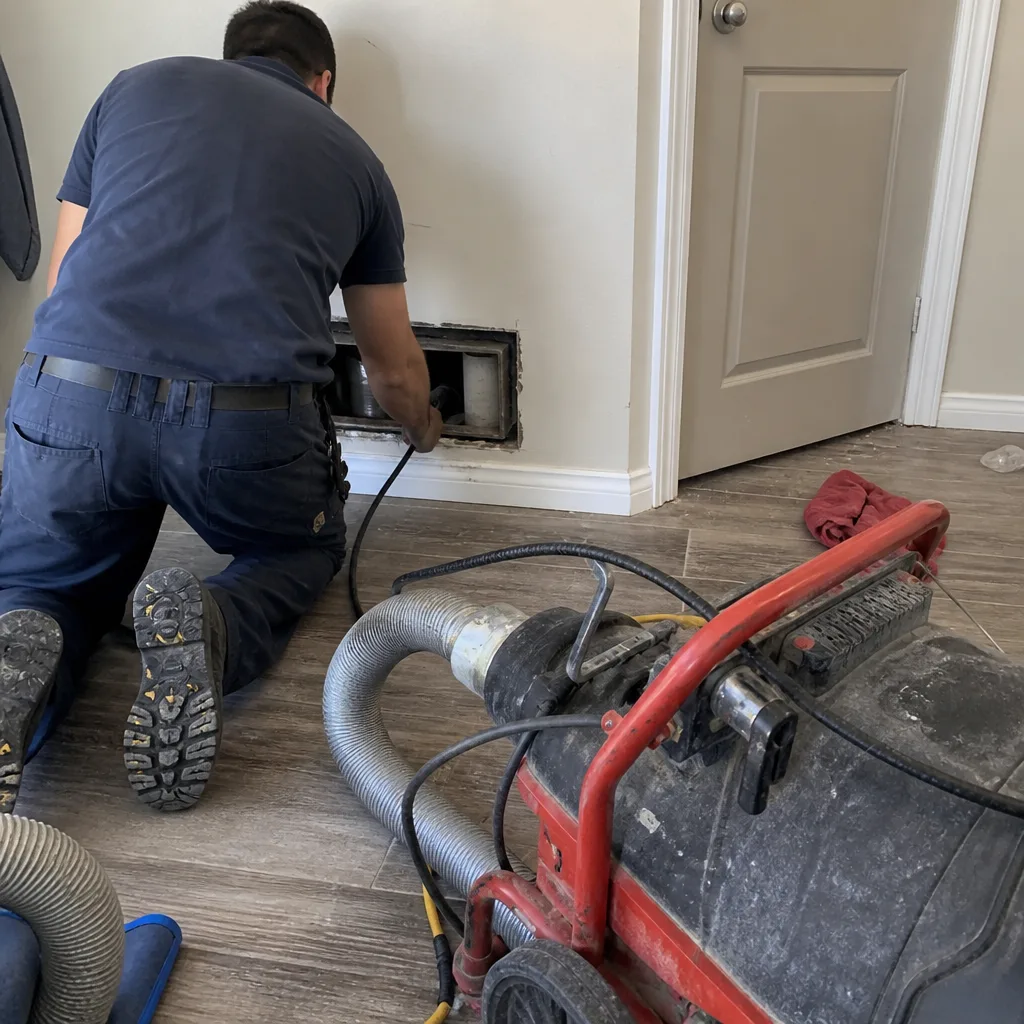 Before
 After
 Before
 After
When to Call a Professional
Some scenarios are clear calls: visible dust puffs from supply registers when the system starts, a persistent musty smell that returns after cleaning surfaces, recent water intrusion or a remodel that left debris in the system, a family member with new or worsening respiratory symptoms, or a dryer that needs a second cycle to dry a load. Other signals are quieter: dust on horizontal surfaces seems heavier than it used to, the system cycles more, or a recent home purchase left you with no service history on the ducts. In each case, a system inspection tells you whether cleaning, repair and sealing, or filtration is the right starting point. Cottonwood Heights Air Duct Cleaning offers free estimates in Cottonwood Heights. Call (866) 937-8903. We answer 24/7. Fast dispatch from 7am to 7pm, Sunday through Friday; we’re closed Saturday, and a call outside dispatch hours is booked into the next opening.
Frequently Asked Questions
Air duct cleaning typically runs on a whole-system basis, with the price set by the scope of the job: register count, number of branch runs, system layout, and whether repair, sealing, or sanitizing is included. A written estimate is what determines your final price, and we don’t quote per-vent prices because that model encourages scope creep. Call (866) 937-8903 for an exact quote. Estimates are free.
Cheap quotes usually buy a shorter job. Lower-priced services often skip negative pressure, skip the branch agitation that removes adhered dust, or exclude the air handler and coil from the scope. The result is a job that looks complete but leaves most of the system untouched, and the ducts reload within a season. Ask what equipment is used and what’s in the written scope before comparing numbers. Call (866) 937-8903 and we’ll walk through what the job should include.
You should receive before-and-after photos of your own ducts and your air handler, plus a written summary of what was found and corrected. Beyond the paperwork, most homeowners notice reduced dust on surfaces within a week or two and a return to baseline airflow through the registers. If a company can’t show you photos of your ducts specifically, you don’t have documentation of the job. Call (866) 937-8903 to schedule a visit with documented before-and-after.
There’s no fixed interval that fits every home here. The EPA’s position, that cleaning is warranted when the system is contaminated, is the right starting point. In Cottonwood Heights, the winter inversion months and wildfire smoke season speed up accumulation, so a home that sits along the bench and runs the system hard may load faster than a home elsewhere in the valley. An inspection every few years, or sooner if you notice symptoms, is generally the more useful approach than a calendar. Call (866) 937-8903 for an inspection.
Yes, dryer vent cleaning is one of our core services, and we treat it as fire-safety work rather than an add-on. Lint accumulation inside the vent run and at the exterior hood is a common cause of dryer fires and it also reduces dryer efficiency. Long vent runs, which are common in some Cottonwood Heights layouts, build up lint faster. Call (866) 937-8903 to book the dryer vent with your duct visit.
In most cases, yes. Our HVAC cleaning visit includes inspection of the trunk, branch runs, and air handler, and duct repair and sealing are handled within the same job when the scope allows. We repair what we find rather than scheduling a second visit for an obvious leak. Full-system restoration can be completed in a single service appointment. Call (866) 937-8903 to schedule the inspection and estimate.
We use professional-grade Rotobrush and Nikro negative-pressure systems, plus Abatement Technologies equipment for contaminant and particulate control. That’s the same class of equipment used in restoration work, which matters because a basic shop vacuum can’t hold negative pressure across a system or filter its own exhaust. If the vacuum isn’t capturing what it loosens, the debris doesn’t leave. Call (866) 937-8903 with equipment questions before you book.
For many homes, yes, once the ducts are clean and sealed. We’re authorized to service and recommend Honeywell and Aprilaire IAQ and filtration systems, and we can assess the current filter cabinet and air handler in the same visit as the cleaning. The order matters: clean and seal first, then match filtration to the system. A stronger filter upstream of contaminated ducts just loads faster. Call (866) 937-8903 to talk through options for your home.
The Bottom Line
Air duct cleaning in Cottonwood Heights is a system diagnosis first and a cleaning second. The homes along the Wasatch bench sit in a particulate load that’s heavier than the national average for most of the year, and dry, high-elevation conditions mean ductwork here collects dust faster than homeowners expect. A job worth paying for uses professional-grade source removal equipment, includes an inspection for leaks and damaged flex, seals what it finds, and proves the work with before-and-after photos of your own ducts. Book flat pricing per system, ask about equipment by name, and pair the visit with a dryer vent evaluation. For help with any of our services, from air duct cleaning to sealing and sanitizing, the team at Cottonwood Heights Air Duct Cleaning is glad to help.
Call (866) 937-8903 for a free estimate. We answer 24/7. Fast dispatch from 7am to 7pm, Sunday through Friday.
Written by the team at Cottonwood Heights Air Duct Cleaning.